












































How Local Transport Works During Kumbh
Learn how local transport works during Kumbh Mela. From shuttle buses and e-rickshaws to pontoon bridges and walking routes, understand the complete transportation system that moves millions of pilgrims.
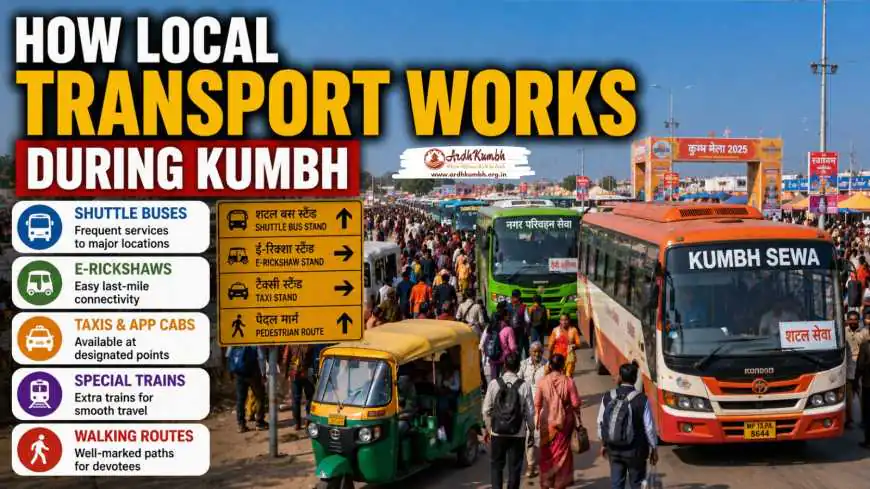
The Mela Zone System: How the Kumbh Grounds Are Organized for Movement 🚶
Before any vehicle moves, the Kumbh Mela grounds are divided into a carefully planned zone system that determines where different types of transport can operate. Understanding this zone structure is the foundation for understanding all movement at Kumbh.
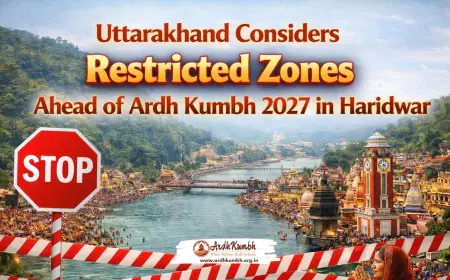
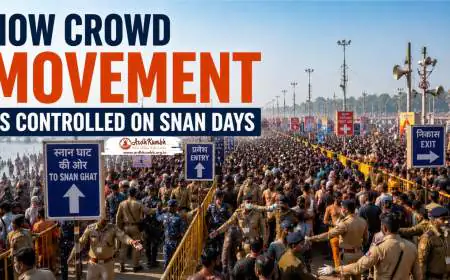
The Mela area is typically organized in concentric rings radiating outward from the sacred bathing ghats. The innermost zone, closest to the river, is the pedestrian-only zone. No vehicles of any kind are permitted here during peak hours and especially on major bathing days. This zone includes the ghats themselves, the immediate approach paths, and the areas where the densest crowds gather. The purpose is both safety and spirituality—the approach to the sacred water should be made on foot, in the traditional manner, without the intrusion of engines and horns.
The next ring outward is the restricted vehicle zone. This is where authorized shuttle buses, emergency vehicles, and permitted service vehicles operate. Private cars, taxis, and auto-rickshaws are generally not allowed in this zone during the Mela period. The restricted zone contains the akhara camps, the major temple areas, the bhandara kitchens, and much of the pilgrim accommodation. Movement within this zone is primarily by foot or by the designated shuttle services.
The outermost ring is the general vehicle zone, where private cars, taxis, buses, and other vehicles can operate more normally—though still subject to heightened traffic management during peak Mela days. This zone connects to the main highways, railway stations, and airport access roads. Parking areas for private vehicles are located at the boundaries between the general zone and the restricted zone.
Trending Guides Now

February Weather Reality at Ardh Kumbh
Read Guide →
How to Carry Kumbh Discipline Back Home
Read Guide →
Best Routes to Reach Haridwar for Ardh Kumbh Mela
Read Guide →
Essential Rules Every Ardh Kumbh 2027 Pilgrim Must Follow
Read Guide →
Who Are Naga Sadhus and Why They Lead Kumbh
Read Guide →
Biggest Crowds Ever Recorded at Ardh Kumbh
Read Guide →
Ardh Kumbh 2027 Dates (Official) - Haridwar Snan Schedule
Read Guide →
When Is the Next Ardh Kumbh Mela in Haridwar?
Read Guide →The zone system means that almost every pilgrim, regardless of how they arrive at Kumbh, will complete their final approach to the sacred waters on foot. Understanding this in advance prevents the frustration of arriving with a vehicle and discovering you cannot drive to your intended destination.
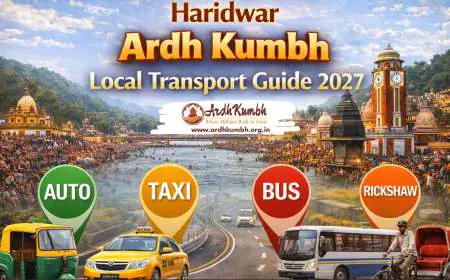
Shuttle Buses: The Backbone of Kumbh Internal Transport 🚌
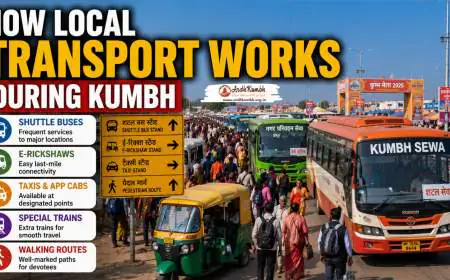
The Kumbh Mela shuttle bus service is the primary mechanized transport system within the Mela grounds. These buses, operated by the state transport corporation and supplemented by contracted private operators, form a dedicated fleet that runs continuously throughout the Mela period, with enhanced service on major bathing days.
The shuttle routes connect the major entry points to the Mela—railway stations, bus terminals, and designated parking areas—with the key locations within the restricted zone. The routes are designed to move pilgrims from the perimeter to as close to the pedestrian zone as vehicles are permitted. From the shuttle drop-off points, pilgrims continue on foot to the ghats, temples, and camps.
The frequency of shuttle service varies by day and time. On ordinary Mela days, shuttles typically run every ten to fifteen minutes on major routes. On peak bathing days, the frequency increases dramatically, with buses operating in continuous convoy to handle the massive surge of arriving pilgrims. Many pilgrims report that the shuttle system, despite the enormous pressure it operates under, functions with surprising efficiency.
The shuttle buses are free or nominally priced, depending on the specific Kumbh and the specific route. This is a deliberate policy choice. The Kumbh Mela is a religious gathering, and the administration aims to minimize the financial burden on pilgrims. The cost of operating the shuttle system is absorbed by the Mela budget, funded by government allocations and donations.
Navigation on shuttle buses requires attention. The buses display route numbers and destination names in Hindi and often in English. Major landmarks—specific akhara camps, temple names, sector numbers—are used as route identifiers. Pilgrims should note their sector or camp location carefully when arriving, as this information is essential for finding the correct return shuttle.
E-Rickshaws and Cycle Rickshaws: The Flexible Short-Distance Option 🛺
For short-distance movement within and around the Kumbh grounds, e-rickshaws and traditional cycle rickshaws provide a flexible and widely available transport option. These smaller vehicles can navigate areas where larger buses cannot go, and they offer a more personalized travel experience.
E-rickshaws have become increasingly prominent at recent Kumbh Melas. These battery-powered three-wheelers are quiet, emission-free at the point of operation, and well-suited to the dense pedestrian environment of the Mela. They typically operate in the transition zones between the restricted vehicle areas and the pedestrian-only zones, providing last-mile connectivity for pilgrims who find the walking distances challenging.
The fare structure for e-rickshaws at Kumbh is theoretically regulated but practically negotiable. The administration typically posts rate charts at major pickup points, indicating the approved fare for common routes. However, during peak demand periods, drivers may ask for higher amounts. Experienced pilgrims recommend confirming the fare before boarding and being prepared to pay somewhat above the official rate during the busiest days.
Cycle rickshaws continue to operate at Kumbh, particularly in areas where their maneuverability gives them an advantage over motorized alternatives. The cycle rickshaw pullers at Kumbh often come from surrounding districts specifically to earn during the Mela period. Negotiating a fair fare that compensates their considerable physical effort while remaining reasonable for the pilgrim requires sensitivity and awareness of prevailing rates.
For elderly pilgrims or those with mobility limitations, e-rickshaws and cycle rickshaws can be essential. The walking distances at Kumbh are substantial, and these smaller vehicles can significantly reduce the physical strain of navigating the Mela grounds. On major bathing days, however, even rickshaws may be restricted from areas close to the ghats, and all pilgrims should be prepared for significant walking regardless of their physical condition.
Pontoon Bridges: The Temporary River Crossings That Define Kumbh Movement 🌉
The pontoon bridges constructed across the sacred rivers for Kumbh Mela are among the most remarkable feats of temporary infrastructure engineering in the world. These floating bridges, built anew for each Kumbh and dismantled afterward, fundamentally shape how pilgrims move through the Mela grounds.
The Prayagraj Kumbh typically features the most extensive pontoon bridge network, spanning both the Ganga and Yamuna rivers to connect the various sectors of the vast Mela grounds. These bridges are constructed by army engineering units—the Indian Army's Corps of Engineers—who bring specialized expertise to the task of building stable, high-capacity temporary bridges across major rivers.
The pontoon bridges serve multiple functions. They allow pilgrims to cross between different sectors of the Mela without making long detours to permanent bridges. They provide direct access to the Sangam area from multiple directions, dispersing crowd pressure across several approaches. And they are themselves part of the Kumbh experience—walking across a floating bridge over the sacred Ganga, feeling the river move beneath your feet, is a memorable element of the pilgrimage.
The capacity of pontoon bridges is carefully managed. During peak periods, traffic flow on the bridges may be restricted to one direction to prevent dangerous crowding. Police and volunteers are stationed at bridge approaches to control the flow and ensure that the bridges do not become overloaded. Pilgrims should follow the directions of authorities at bridge crossings, even when those directions seem to require a longer route.
The pontoon bridges are pedestrian-only in most cases, though some wider bridges may accommodate bicycles and cycle rickshaws. Motorized vehicles are generally not permitted on the pontoons. This means that crossing the river almost always involves walking, and pilgrims should factor bridge walking time into their movement plans.
Walking: The Primary Mode of Kumbh Transport 🚶
Despite the availability of shuttles, rickshaws, and other mechanized options, walking remains the primary mode of transport at Kumbh Mela. The sacred tradition has always emphasized the spiritual value of approaching the holy waters on foot, and the practical realities of the Mela make walking unavoidable for every pilgrim.
The walking distances at Kumbh are substantial. A pilgrim arriving at a parking area or shuttle drop-off point may need to walk two to five kilometers to reach the bathing ghats, depending on the specific location and the crowd conditions of the day. On major bathing days, when vehicles are restricted from larger areas, the walking distances increase further. Pilgrims should be physically and mentally prepared for significant walking.
The quality of walking paths varies across the Mela grounds. Major routes are typically paved or covered with temporary road surfaces. Secondary paths may be unpaved and can become muddy if rain falls during the Mela period. The administration lays extensive temporary pathways, but the sheer scale of the grounds means that some walking will be on natural surfaces. Sturdy, comfortable footwear appropriate for long walks on varied surfaces is essential.
Walking at night presents additional considerations. While major routes are lit, secondary paths may have limited illumination. The crowd density can make it difficult to see the ground immediately ahead. A small torch or phone light can be valuable for navigating darker sections. However, many pilgrims find that the pre-dawn walk to the ghats, undertaken in darkness with thousands of fellow pilgrims, is one of the most spiritually atmospheric experiences of Kumbh.
The spiritual dimension of walking at Kumbh should not be overlooked. The traditional pilgrimage has always involved physical effort, and the walk to the sacred waters is understood as part of the spiritual practice rather than merely a logistical necessity. The discomfort of the walk, the cold of the pre-dawn air, the gradual approach to the river—all of these elements prepare the pilgrim inwardly for the sacred bath that awaits.
Private Vehicles: What You Need to Know About Bringing Your Own Transport 🚗
Many pilgrims consider bringing their own vehicle to Kumbh, and understanding the regulations and practical realities of private vehicle use is essential for making an informed decision about this option.
Private cars and motorcycles are generally not permitted to enter the restricted vehicle zone during the Kumbh Mela period. The administration establishes designated parking areas at the periphery of the Mela grounds, and private vehicle owners must park their vehicles in these lots and continue into the Mela using shuttle buses, rickshaws, or on foot. The parking areas are large, well-marked, and secured, but they may be located several kilometers from the main Mela areas.
Parking during peak bathing days requires particular planning. The designated lots fill quickly, and additional overflow parking may be established at even greater distances from the Mela grounds. Pilgrims driving to Kumbh for a major bathing day should plan to arrive well before the peak period and should be prepared for the possibility of a long walk or shuttle ride from their parking location.
Two-wheelers generally have somewhat more flexibility than cars, but they are still restricted from the innermost zones during peak periods. Some pilgrims find that motorcycles or scooters allow them to park closer to the Mela grounds than cars, but the advantage is relative rather than absolute. No private vehicle will deliver a pilgrim directly to the ghats on a major bathing day.
Navigation for private vehicles requires attention to the temporary road system established for the Mela. The administration creates designated routes for different types of vehicles, and these routes may change between ordinary days and peak bathing days. Signage is extensive but can be confusing for first-time visitors. Following the directions of traffic police, even when those directions seem to take you away from your intended destination, is generally the wisest course.
Rail and Bus: Arriving at the Kumbh Transport Hub 🚆
Most pilgrims arrive at Kumbh Mela by train or long-distance bus, and the transport hubs that receive them are themselves remarkable operations that connect to the internal Mela transport system.
The railway stations serving the Kumbh host city are transformed during the Mela period. Special trains are added to the schedule. Platforms are extended. Additional ticketing and inquiry counters are established. Holding areas are created to manage the flow of arriving pilgrims. The stations become destinations in themselves, with facilities for resting, eating, and obtaining information.
From the railway stations, dedicated shuttle buses and authorized auto-rickshaws and e-rickshaws transport pilgrims to the Mela grounds. The shuttle service from major stations is typically continuous during the Mela period, with buses departing as they fill rather than on a fixed schedule. Pilgrims should follow the signage directing them to the Mela shuttle pickup points rather than attempting to arrange independent transport from unauthorized operators.
The bus terminals serving long-distance buses operate on similar principles. State transport corporations and private operators run additional services during the Mela period. The bus terminals connect to the internal shuttle system, allowing pilgrims to transfer from long-distance buses to Mela shuttles with minimal confusion.
Pre-booking train tickets for Kumbh travel is essential. The trains serving the host city during the Mela period are heavily booked, sometimes months in advance. Pilgrims who arrive without tickets and hope to find space on general compartments may face extremely crowded conditions or may be unable to board at all. Planning rail travel well in advance is one of the most important transport preparations a Kumbh pilgrim can make.
Transport on Shahi Snan Days: When the System Faces Its Ultimate Test ⚠️
The shahi snan days—the royal bathing days when the akharas process to the river in full ceremonial order—represent the ultimate test of the Kumbh transport system. On these days, the normal transport arrangements are modified significantly to handle the massive surge of pilgrims.
Vehicle restrictions are dramatically tightened on shahi snan days. The pedestrian-only zone expands. The restricted vehicle zone pushes outward. Even authorized vehicles may face significant limitations on where and when they can operate. The shuttle bus system continues to function but may follow modified routes that keep buses further from the bathing areas.
Timing becomes critical on shahi snan days. Pilgrims who wish to witness the akhara processions or bathe at the most auspicious moments need to begin their movement toward the ghats hours before the scheduled events. The transport system can handle the volume of pilgrims, but it cannot defeat time and distance. Starting early is the single most important strategy for navigating shahi snan day transport.
Walking is unavoidable on shahi snan days. Even pilgrims who arrive by shuttle, rickshaw, or other means will face significant walking distances as they approach the bathing areas. The crowds on these days are so dense that no vehicle can penetrate them. Every pilgrim, regardless of age, health, or wealth, becomes a pedestrian for the final approach to the sacred waters.
Return transport after bathing on shahi snan days requires patience. The crowds moving away from the ghats are as dense as those moving toward them. Shuttle buses and rickshaws operating from their designated pickup points will be in high demand. Pilgrims should expect significant waiting times for return transport and should carry water and snacks to sustain themselves during the wait.
Practical Tips for Navigating Kumbh Transport Successfully ✅
Experience across multiple Kumbh Melas has produced a set of practical transport strategies that significantly improve the pilgrim's experience. These tips, gathered from seasoned pilgrims and Mela administrators, help transform potential transport frustrations into manageable experiences.
Arrive with a plan but hold it lightly. Know which sector your accommodation is in, which ghat you intend to visit, and which shuttle route serves your area. But be prepared for the plan to change. Shuttle routes may be modified. Walking paths may be redirected. The transport system at Kumbh is dynamic, and the pilgrim who adapts gracefully to changes has a better experience than the one who clings rigidly to an original plan.
Start early, especially on important days. The pre-dawn hours offer the most manageable transport conditions. Shuttles are less crowded. Walking paths are less congested. The experience of moving through the Mela grounds in the quiet darkness before the crowds arrive is itself a spiritual gift. The pilgrim who starts at 4 AM has a fundamentally different experience than the one who starts at 8 AM.
Carry essentials but travel light. A small bag with water, snacks, basic medical supplies, and warm clothing layers is practical. But large suitcases, excessive electronics, and non-essential possessions become burdens during the significant walking that Kumbh transport requires. The pilgrim who carries less moves more freely.
Note landmarks for return navigation. The Mela grounds look different when you are returning than when you arrived. The crowd flows have shifted. The light has changed. Identifying specific landmarks—a particular akhara camp flag, a distinctive temple spire, a numbered sector sign—provides reliable reference points for finding your way back to your shuttle stop or accommodation.
Respect the transport workers. The shuttle bus drivers, the rickshaw pullers, the traffic police, and the countless volunteers who operate the Kumbh transport system are working under intense pressure in challenging conditions. A patient, respectful attitude toward these workers not only makes their jobs easier but also often results in better service and helpful guidance.
The Movement That Becomes Meditation
The transport system at Kumbh Mela is, in its external aspect, a remarkable feat of logistics and engineering. The shuttle buses, the pontoon bridges, the zone system, the traffic management—all of these represent human ingenuity applied to the challenge of moving millions of people safely through a temporary city. But there is an inner dimension to Kumbh transport that the external description cannot capture.
The walk to the sacred waters at Kumbh is not merely a logistical necessity. It is a pilgrimage within the pilgrimage. Each step carries you closer to the river. Each step is taken in the company of countless others who have traveled from every corner of the subcontinent and beyond. The collective movement of millions toward a single sacred destination creates an atmosphere that is tangibly different from ordinary pedestrian traffic. This is movement as meditation, walking as worship, the physical journey as spiritual practice.
When you walk the pontoon bridge over the Ganga in the pre-dawn darkness, feeling the river move beneath the floating path, hearing the murmured prayers of pilgrims around you, seeing the first light begin to touch the water, you understand something that no transport guide can convey. The local transport at Kumbh is not just about getting from one place to another. It is about the transformation that occurs in the getting there. The destination is the sacred bath, but the journey—on the shuttle, on the rickshaw, across the bridge, along the walking path—is where the heart begins to open to what awaits at the water's edge.
The system works. Millions move. The sacred bath is reached. But the pilgrim who has paid attention to the journey, who has been present for each step of the movement, who has recognized the sacred in the seemingly mundane act of getting from here to there, arrives at the ghats already transformed. The transport has done its outer work. The inner work was always in the walking.
Frequently Asked Questions