































































Significance of Bathing in the Ganges During Kumbh Mela Explained
Discover the spiritual significance of bathing in the Ganges during Kumbh Mela, its astrological timing, karmic meaning, and why this holy dip is sacred.
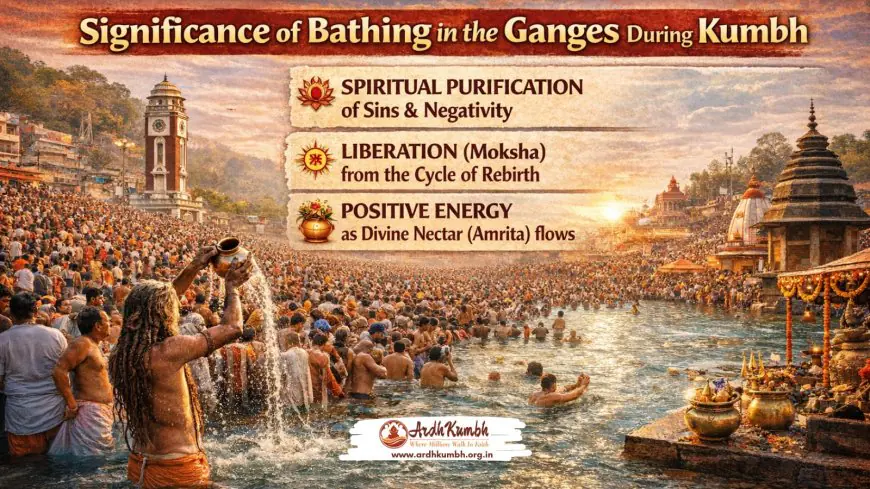
Significance of Bathing in the Ganges During Kumbh
Bathing in the River Ganges during the Kumbh Mela is one of the most sacred acts in Sanatan Dharma. It is not a symbolic dip, cultural habit, or mass tradition performed for spectacle. It is a time-specific spiritual discipline, governed by astrology, scripture, and uninterrupted ritual lineage.
The Kumbh Snan represents a rare moment when cosmic time, sacred geography, and human intention align. At no other period does the Ganges carry the same ritual potency as it does during Kumbh. This is why saints, Akharas, ascetics, and ordinary pilgrims gather in millions—across centuries—without disruption or dilution of meaning.
To understand its significance, one must look beyond surface explanations and examine the spiritual logic that sustains the Kumbh tradition.
Planning to attend the next Ardh Kumbh?
Explore official dates, snan rules, Akharas, and practical guidance in our detailed event guide.
→ Ardh Kumbh Mela 2027 Complete Guide
Trending Guides Now
Who Are Naga Sadhus and Why They Lead Kumbh
Read Guide →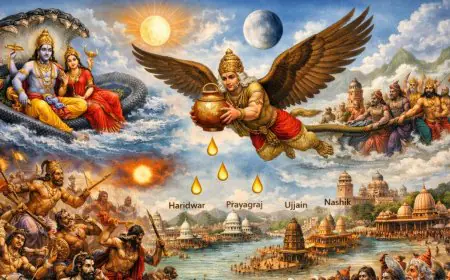
What Is the Story Behind the Ardh Kumbh Mela?
Read Guide →
The Untold Stories of Har Ki Pauri
Read Guide →
History of Ardh Kumbh Mela From Samudra Manthan to Modern Times
Read Guide →
Best Routes to Reach Haridwar for Ardh Kumbh Mela
Read Guide →
Ardh Kumbh 2027 Dates (Official) - Haridwar Snan Schedule
Read Guide →
How Kumbh Keeps India’s Civilizational Memory Alive
Read Guide →
February Weather Reality at Ardh Kumbh
Read Guide →The Ganges: A Living Sacred Force
In Hindu cosmology, the Ganges is not merely a river. She is Ganga Devi, a divine presence whose descent to earth represents compassion flowing from the heavens.
Scriptural tradition describes three manifestations of Ganga:
-
Mandakini — the celestial river
-
Ganga — the earthly river
-
Bhogavati — the subterranean river
Bathing in the Ganges during Kumbh is believed to invoke all three realms at once. The act is therefore treated not as cleansing the body, but as entering a living spiritual current.
Also Read | What Is Ardh Kumbh? A Sacred Question Millions Ask
Why Kumbh Snan Is Spiritually Unique
Bathing in the Ganges is auspicious throughout the year.
Bathing during Kumbh is exceptional.
The difference lies in time-bound cosmic alignment.
Astrological Basis of Kumbh Bathing
Kumbh Mela is held only when:
-
Jupiter enters specific zodiac signs
-
The Sun aligns with Aries, Aquarius, or Leo (depending on location)
-
Lunar tithis align with Panchang prescriptions
These alignments are believed to activate latent spiritual energies within the river. According to Puranic tradition, drops of Amrit (nectar of immortality) fell at Kumbh sites during Samudra Manthan, making these moments spiritually charged for all time.
This is not mythological storytelling—it is ritual astronomy translated into discipline.
Also Read | Shahi Snan Explained: Why It Is the Most Sacred Bath
What the Holy Bath Achieves Spiritually
Sanatan scriptures describe Kumbh Snan as performing three core spiritual functions:
1. Karmic Cleansing
The bath is believed to weaken accumulated karmic residue, allowing spiritual progress without erasing moral responsibility.
2. Inner Reorientation
The act shifts the pilgrim from worldly time to sacred time, creating humility, surrender, and awareness.
3. Spiritual Readiness
Many ascetic traditions consider Kumbh Snan essential preparation for deeper sadhana. It marks eligibility, not attainment.
Why Millions Bath Together — Yet Alone
The Kumbh Snan is one of the few rituals where collective participation enhances, rather than dilutes, personal experience.
The crowd represents continuity of humanity.
The dip represents individual accountability.
Each pilgrim enters the river alone in intention, even among millions.
From the divine legend of Samudra Manthan to today’s massive spiritual gatherings, the History of Ardh Kumbh Mela reflects centuries of faith and devotion. This sacred festival continues to unite millions at holy rivers, blending ancient mythology with modern pilgrimage
Role of Akharas in Kumbh Bathing
Akharas bathe first on major Snan days—not for privilege, but for ritual preservation.
Their priority exists because:
-
They carry uninterrupted spiritual lineage
-
Their discipline stabilizes ritual order
-
Their sequence preserves hierarchy
Only after Akhara Snan is completed does the river open to general pilgrims. This ensures ritual integrity before access.
Also Read | Is Ardh Kumbh Really Different From Kumbh Mela?
Why Specific Ghats Are Used for Kumbh Snan
Not every point on the Ganges is spiritually equal during Kumbh.
Sites such as Har Ki Pauri, Triveni Sangam, Ram Kund, and Ujjain Ghats were identified centuries ago based on energetic geography, not convenience.
These are not tourist locations.
They are ritual coordinates.
Is Kumbh Snan Mandatory?
No.
Sanatan Dharma does not impose salvation.
It offers windows of opportunity.
Kumbh is one such window—rare, precise, and fleeting. Those who understand this prepare patiently. Those who rush miss the depth.
To truly experience the spiritual power of Ardh Kumbh, every devotee should explore Shahi Snan rituals and Akhara traditions, which explain the sacred bathing process, monastic discipline, and ancient customs that shape this holy gathering. This guide helps pilgrims connect deeply with the true essence of the Mela.
Common Misunderstandings About Kumbh Bathing
❌ It is not about physical cleanliness
❌ It is not superstition
❌ It is not crowd tourism
✔️ It is astrological
✔️ It is disciplined
✔️ It is lineage-preserved
What the Kumbh Bath Truly Represents
The significance of bathing in the Ganges during Kumbh lies in one truth:
Human life briefly aligns with cosmic order.
The river does not promise miracles.
The dip does not guarantee liberation.
What it offers is alignment—with time, tradition, and restraint.
The Axis of the Kumbh
The Kumbh Snan is not powerful because millions participate.
Millions participate because it is powerful.
It has survived centuries because it does not bend to comfort or trend. It demands patience, humility, and discipline.
In Kumbh, the Ganges does not cleanse by force.
She responds to readiness.
And that is why the holy bath endures.
Frequently Asked Questions