





























































Complete Guide to Ardh Kumbh Rituals
Complete guide to Ardh Kumbh rituals: bathing rules, puja vidhi, spiritual practices, discipline, and sacred meaning explained clearly.

Complete Guide to Ardh Kumbh Rituals: Bathing Rules, Puja Vidhi & Spiritual Practices
Introduction: Why Ardh Kumbh Rituals Are More Than Ceremonies
The rituals of the Ardh Kumbh Mela are not symbolic performances. They are structured acts of sacred discipline rooted in the spiritual framework of Sanatan Dharma. Every bath, mantra, offering, and vow performed during Ardh Kumbh follows a lineage-based system preserved by saints, Akharas, and monastic orders over centuries.
Unlike ordinary temple worship, Ardh Kumbh rituals operate within a sacred time cycle determined by planetary alignments. This alignment is believed to amplify spiritual merit (punya), making ritual precision essential.
For pilgrims, understanding how to perform these rituals correctly transforms participation from tourism into tapas (spiritual effort).
This guide explains everything step-by-step.
Trending Guides Now

Har Ki Pauri Ganga Aarti Time Today in Haridwar
Read Guide →
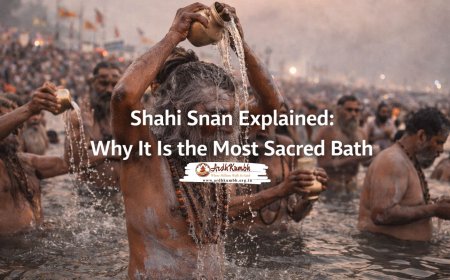
Ardh Kumbh Mela Rituals Explained Shahi Snan & Akhara Traditions
Read Guide →
Why Order and Cleanliness Are Strictly Enforced
Read Guide →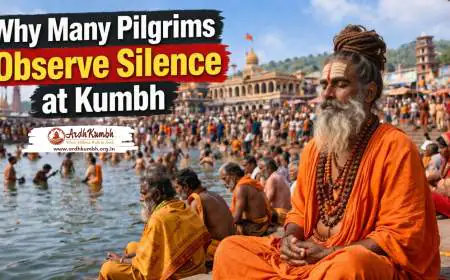
Why Many Pilgrims Observe Silence at Kumbh
Read Guide →
Best Routes to Reach Haridwar for Ardh Kumbh Mela
Read Guide →
Ardh Kumbh 2027 Dates (Official) - Haridwar Snan Schedule
Read Guide →
Why Early 2027 Planning Will Decide Your Experience
Read Guide →
Why Snan Dates Create Massive Spiritual Momentum
Read Guide →Want to experience Ardh Kumbh in person?
Get official dates, snan guidelines, Akharas, and travel planning tips in our dedicated event guide.
→ Ardh Kumbh Mela 2027 Complete Guide
What Makes Ardh Kumbh Ritual Practice Unique?
Ardh Kumbh occurs every six years at specific sacred locations such as Haridwar and Prayagraj. The rituals here are:
-
Time-bound by astrological configuration
-
Conducted in the presence of Akhara lineages
-
Structured around sacred bathing dates
-
Performed in mass yet governed by spiritual hierarchy
Unlike temple rituals that occur daily, Ardh Kumbh rituals operate within a cosmic window. The belief is that during this period, divine energy in the sacred river is intensified.
This is why bathing rules are not optional — they are part of ritual discipline.
Also Read | Ardh Kumbh 2027 Official Dates (Haridwar)
The Spiritual Science of Sacred Bathing (Snan)
In Hindu philosophy, water is not just a cleansing element. It is a carrier of memory and consciousness. The sacred rivers are considered living divine mothers.
The concept of snan (ritual bath) at Ardh Kumbh is based on three layers:
Physical Purification
Removal of bodily impurities.
Mental Purification
Letting go of anger, ego, resentment.
Karmic Purification
Symbolic washing away of accumulated karmic impressions.
The bath must be taken with sankalp (intention). Without sankalp, the bath becomes ordinary.
To truly experience the spiritual power of Ardh Kumbh, every devotee should explore Shahi Snan rituals and Akhara traditions, which explain the sacred bathing process, monastic discipline, and ancient customs that shape this holy gathering. This guide helps pilgrims connect deeply with the true essence of the Mela.
The Concept of Sankalp Before Bathing
Before entering the river, pilgrims perform Sankalp — a vow stating:
-
Name
-
Gotra (if known)
-
Purpose of bath
-
Prayer intention
This is done by taking water in the right palm and reciting a prayer mentally or verbally.
Sankalp aligns personal will with cosmic timing.
Without intention, ritual becomes mechanical.
With intention, it becomes transformative.
Types of Ritual Baths During Ardh Kumbh
Not all bathing days are equal. Ritual intensity varies.
Shahi Snan
The royal bath performed by Akharas first.
Mauni Amavasya Snan
Observed in silence. Considered spiritually powerful.
Basant Panchami Snan
Associated with spiritual awakening.
Maghi Purnima Snan
Linked to completion and gratitude.
Each date has its own discipline.
Why Bathing Rules Matter
Many first-time pilgrims believe that simply entering the river guarantees merit. However, traditional texts emphasize:
-
Purity of thought
-
Observance of timing
-
Respect for ritual order
-
Non-disruption of Akhara processions
The discipline preserves spiritual order in a gathering of millions.
Ardh Kumbh is not chaotic spirituality. It is structured sacred participation.
Difference Between Shahi Snan and Pilgrim Snan
Shahi Snan is performed by ascetic orders under strict hierarchy.
Pilgrim Snan follows after.
Understanding this prevents confusion and ensures respect for tradition.
Inner Preparation Before Ritual Participation
Ritual begins before reaching the ghat.
Preparation includes:
-
Simple vegetarian diet
-
Mental calmness
-
Avoiding intoxication
-
Early wake-up discipline
-
Clean attire
Ritual discipline begins at home.
The Complete Bathing Rules (Snan Vidhi) for Pilgrims
Ritual bathing at Ardh Kumbh is not casual immersion. It follows a traditional discipline preserved by saints and dharmic authorities. While millions gather at sacred ghats in cities like Haridwar and Prayagraj, the ritual order remains structured.
This section explains the exact step-by-step procedure for pilgrims.
Step 1: Inner Preparation Before Reaching the Ghat
Ritual begins before touching the water.
Pilgrims traditionally:
-
Wake during Brahma Muhurta (around 4 AM)
-
Bathe lightly before going to the ghat (if possible)
-
Wear clean, modest clothing
-
Maintain silence or chant mantras
-
Avoid anger, arguments, or distractions
The mindset should be one of humility — not excitement.
Step 2: Observing Sacred Timing (Muhurat Discipline)
Bathing during Ardh Kumbh is linked to astrologically determined muhurats.
Major dates like:
-
Shahi Snan
-
Mauni Amavasya
-
Basant Panchami
-
Maghi Purnima
have specific time windows.
Entering the river during these windows is believed to enhance spiritual merit.
Pilgrims should:
-
Confirm official bathing time
-
Reach the ghat early
-
Follow administration instructions
-
Respect Akhara procession order
Timing is part of ritual integrity.
Step 3: Sankalp (Sacred Vow Before Bathing)
Before stepping into the river:
-
Stand facing east (if possible).
-
Take water in your right palm.
-
State your name and intention silently.
-
Pray for purification and spiritual progress.
-
Release the water back into the river.
This moment transforms the act from physical bathing into sacred participation.
Without sankalp, it is just water.
With sankalp, it becomes yajna (sacred offering).
Step 4: Entering the Water Properly
Traditional guidance suggests:
-
Enter slowly, not by jumping.
-
Face the rising sun if bathing in the morning.
-
Maintain composure.
-
Avoid pushing or splashing others.
Pilgrims usually dip three times, symbolizing purification of:
-
Body
-
Mind
-
Soul
Each dip should be mindful.
Step 5: Mantras During Snan
If one knows Vedic mantras, they may chant:
“Om Namah Shivaya”
“Om Namo Narayanaya”
“Gange Cha Yamune Chaiva…”
If mantras are not known, silent prayer is sufficient.
The key principle: devotion over display.
What to Wear During Ardh Kumbh Snan
Ritual modesty is essential.
For Men:
-
Dhoti or simple cotton clothes
-
Avoid tight or flashy attire
For Women:
-
Saree or salwar kameez
-
Avoid transparent fabrics
-
Secure clothing for safety
White, saffron, or simple colors are traditionally preferred.
Items to Carry for Ritual Bath
Keep possessions minimal.
Recommended:
-
Small towel
-
Extra clothes
-
Cloth bag
-
Water bottle
-
ID proof
-
Basic medicine
Avoid:
-
Heavy valuables
-
Jewelry
-
Electronics near water
Ritual simplicity supports inner focus.
Special Rules for Women
Women are traditionally advised:
-
Avoid bathing during menstruation
-
Maintain modesty
-
Stay in designated safe zones
-
Prefer group participation for safety
Ardh Kumbh administration usually creates separate areas for women.
Rules for Elderly Pilgrims
Elderly devotees should:
-
Avoid deep water
-
Use assisted ghats
-
Carry support sticks
-
Avoid peak crowd hours
Spiritual merit does not depend on physical strain.
Intention matters more than depth of immersion.
Common Mistakes to Avoid
Many first-time pilgrims unknowingly disrupt ritual discipline.
Avoid:
-
Selfies in sacred water
-
Loud behavior
-
Soap or shampoo use
-
Polluting the river
-
Blocking access routes
-
Ignoring official crowd management
Sacred participation requires respect for shared space.
Post-Bath Rituals (What To Do After Snan)
Ritual does not end with bathing.
After coming out:
-
Wear dry clothes.
-
Sit calmly for a few minutes.
-
Offer silent gratitude.
-
Perform Tarpan if knowledgeable.
-
Light a diya if permitted.
The post-bath period is considered spiritually sensitive.
Offering Arghya to the Sun
Pilgrims often:
-
Stand in shallow water
-
Pour water slowly toward the sun
-
Chant silently
This gesture symbolizes surrender of ego.
The Role of Tarpan During Ardh Kumbh
Tarpan is offering water to ancestors.
It is done:
-
Facing south
-
With specific hand positions
-
With remembrance of forefathers
Those unfamiliar should consult a priest rather than attempt incorrectly.
Deepdaan (Offering of Lamps)
In the evening:
-
Small diyas are floated in the river.
-
It symbolizes light over ignorance.
-
It represents gratitude toward divine forces.
Deepdaan connects personal prayer with cosmic symbolism.
Ritual Etiquette Around Akharas
Ascetic orders play a central role in Ardh Kumbh.
Pilgrims must:
-
Avoid obstructing processions
-
Not photograph without permission
-
Seek blessings respectfully
-
Avoid debates or arguments
Respect maintains ritual order.
The Psychological Dimension of Ritual Bathing
Modern psychology recognizes symbolic acts as transformative.
Ritual bathing:
-
Creates closure
-
Strengthens intention
-
Reinforces moral discipline
-
Creates emotional catharsis
For millions, Ardh Kumbh becomes a reset point in life.
Maintaining Inner Purity After Snan
True ritual impact depends on post-bath conduct.
Pilgrims are encouraged to:
-
Avoid anger
-
Speak truthfully
-
Practice charity
-
Continue mantra recitation
Otherwise, purification remains temporary.
What Happens If Bathing Rules Are Not Followed?
Traditionally, intention matters more than perfection.
However:
-
Disrespect reduces spiritual benefit.
-
Disruption affects collective sanctity.
-
Ego diminishes merit.
Discipline protects sacred energy in mass gatherings.
Puja Vidhi at Ardh Kumbh: Complete Ritual Procedure After Snan
Bathing (Snan) is the foundation of Ardh Kumbh participation — but it is not the completion of ritual practice. The sacred bath purifies; the Puja sanctifies.
After emerging from the holy waters in places like Haridwar or Prayagraj, pilgrims traditionally perform structured worship. This ensures that purification is followed by spiritual alignment.
This section explains the complete Puja Vidhi step-by-step.
Why Puja After Snan Is Essential
In Hindu ritual logic:
-
Snan removes impurity.
-
Puja establishes divine connection.
-
Daan distributes accumulated merit.
-
Japa stabilizes inner transformation.
Without Puja, Snan remains incomplete.
The bath prepares the body.
Puja prepares the consciousness.
Step-by-Step Puja Vidhi at the Ghat
Step 1: Choose a Clean Spot
After bathing:
-
Move to a clean, less crowded area.
-
Sit facing east or north.
-
Spread a small cloth if available.
-
Calm your breathing.
The transition from crowd energy to inner focus is essential.
Step 2: Perform Achaman (Purification Sips)
Take a small amount of water in your right palm and sip three times while chanting silently.
Achaman symbolizes:
-
Purification of speech
-
Purification of thought
-
Purification of action
It prepares you for worship.
Step 3: Sankalp Expansion
If you made a simple sankalp before Snan, now is the time to formalize intention.
State mentally:
-
Gratitude for safe bath
-
Prayer for family welfare
-
Desire for spiritual growth
-
Request for removal of obstacles
Clarity of intention strengthens ritual potency.
Step 4: Offer Flowers or Water to the River
Even a small offering is enough.
Traditional offerings include:
-
Flowers
-
Rice grains
-
Tulsi leaves
-
Water poured gently
Never use plastic or polluting materials.
Sacred offering must not harm sacred ecology.
Tarpan Procedure for Ancestors
Tarpan is one of the most powerful acts performed at Ardh Kumbh.
How It Is Done:
-
Stand facing south.
-
Cup both hands together.
-
Pour water slowly while remembering ancestors.
-
Chant quietly if mantras are known.
The offering acknowledges lineage continuity.
In dharmic philosophy, spiritual progress includes gratitude toward forefathers.
Deepdaan: The Symbolism of Light
Deepdaan (offering of lamps) is usually performed during evening hours.
Meaning of Deepdaan:
-
Light represents knowledge.
-
The river represents divine consciousness.
-
Floating lamp represents surrender of ego.
The act teaches impermanence — the diya flows away, symbolizing letting go.
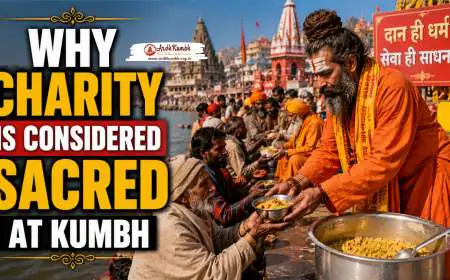
Charity (Daan) at Ardh Kumbh
Charity is inseparable from ritual bathing.
In Hindu thought, purification without generosity is incomplete.
Types of Daan Traditionally Observed:
-
Annadan (food donation)
-
Vastra Daan (clothing donation)
-
Dakshina to priests
-
Feeding animals
-
Supporting saints or Ashrams
The spirit of Daan must be free from pride.
The highest Daan is silent.
Annadan: The Sacred Offering of Food
Annadan holds special significance during Ardh Kumbh.
Feeding pilgrims, sadhus, or the needy is considered one of the greatest virtues.
Why?
Because food sustains life — and sustaining life sustains dharma.
Many Akharas and camps organize mass feeding programs. Pilgrims may volunteer or contribute.
Participation transforms the event from spectator experience into seva (service).
Fasting & Vrata Practices During Ardh Kumbh
Many pilgrims observe fasting before major bathing days.
Common practices include:
-
Ekadashi fasting
-
Partial fruit-based fasting
-
Avoiding grains
-
Maintaining silence (Maun Vrata)
Fasting sharpens awareness.
It reduces tamas (inertia) and enhances sattva (clarity).
Ritual discipline extends beyond physical bath.
Maun (Silence) as Spiritual Practice
On Mauni Amavasya, many devotees observe silence.
Silence serves multiple purposes:
-
Conserves energy
-
Reduces mental noise
-
Enhances mantra concentration
-
Encourages introspection
In a gathering of millions, silence becomes powerful.
It transforms chaos into contemplation.
Japa and Mantra Discipline
After Snan and Puja, pilgrims often sit quietly and chant.
Common mantras include:
-
Om Namah Shivaya
-
Om Namo Narayanaya
-
Gayatri Mantra
Repetition stabilizes the mind.
Water purifies externally.
Mantra purifies internally.
Visiting Saints and Seeking Blessings
Ardh Kumbh is also a congregation of ascetic orders.
Pilgrims may:
-
Visit camps respectfully.
-
Sit in discourses.
-
Seek blessings.
-
Offer Dakshina voluntarily.
Interaction must be humble and non-intrusive.
The purpose is learning, not spectacle.
Satsang and Scriptural Listening
Many spiritual leaders conduct pravachans (discourses).
Listening to scripture during Ardh Kumbh:
-
Reinforces moral discipline.
-
Provides philosophical clarity.
-
Deepens understanding of dharma.
Participation in Satsang converts pilgrimage into education.
Ritual Discipline in Massive Crowds
Ardh Kumbh demonstrates that sacred order can exist within millions.
The discipline is preserved through:
-
Akhara hierarchy
-
Bathing schedules
-
Crowd management
-
Volunteer networks
-
Traditional authority systems
Ritual order prevents chaos.
Spiritual discipline supports social harmony.
Environmental Responsibility as Ritual Duty
Modern Ardh Kumbh emphasizes ecological awareness.
True ritual participation includes:
-
Avoiding plastic
-
Not polluting water
-
Following waste guidelines
-
Respecting river sanctity
Protecting the river is itself a sacred act.
Maintaining Spiritual Momentum After Leaving the Ghat
The greatest mistake pilgrims make is treating Ardh Kumbh as a one-day purification.
Tradition advises:
-
Continue daily prayer.
-
Maintain ethical conduct.
-
Practice regular charity.
-
Avoid returning to harmful habits.
Otherwise, ritual becomes temporary relief rather than transformation.
The Psychological and Spiritual Transformation of Ritual Discipline
Mass ritual creates collective consciousness.
At Ardh Kumbh:
-
Individual ego dissolves.
-
Shared devotion rises.
-
Moral reflection intensifies.
-
Spiritual aspiration deepens.
The river becomes mirror — reflecting both impurity and potential.
Do’s and Don’ts of Ardh Kumbh Ritual Participation
Sacred gatherings function on collective discipline. When millions assemble in cities like Haridwar and Prayagraj, spiritual order depends on individual responsibility.
Understanding what to do — and what to avoid — preserves ritual sanctity.
Essential Do’s for Pilgrims
Maintain Inner Discipline
-
Wake early.
-
Approach rituals with humility.
-
Avoid arguments and distractions.
Follow Official Instructions
-
Respect barricades and crowd control.
-
Follow designated bathing slots.
-
Cooperate with volunteers and authorities.
Dress Modestly
-
Wear simple, clean clothing.
-
Avoid attention-seeking attire.
Practice Environmental Care
-
Dispose of waste responsibly.
-
Avoid plastic near ghats.
-
Protect the sanctity of the river.
Participate in Charity
-
Offer food or clothes respectfully.
-
Support community kitchens.
-
Volunteer if possible.
Remain Calm in Crowds
-
Move slowly.
-
Help elderly and children.
-
Avoid pushing.
Ritual discipline extends beyond prayer — it includes conduct.
Important Don’ts During Ardh Kumbh
Do Not Pollute the River
Soap, shampoo, detergents, and plastic offerings violate ritual purity.
Do Not Disrupt Akhara Processions
Ascetic orders follow strict hierarchical movement during Shahi Snan. Interference disrespects tradition.
Avoid Self-Promotion
Loud photography, social media obsession, and spectacle mentality dilute sacred focus.
Avoid Intoxication
Ritual merit requires clarity of mind.
Do Not Engage in Arguments
Religious debates in crowded ritual zones create disturbance.
Avoid Commercial Exploitation
Sacred moments should not become transactional interactions.
First-Time Pilgrim Checklist
Preparation reduces confusion and enhances spiritual focus.
Before Traveling
-
Confirm bathing dates.
-
Book accommodation early.
-
Carry essential identification.
-
Pack minimal belongings.
What to Carry
-
Two sets of clothes.
-
Towel.
-
Reusable water bottle.
-
Small cloth bag.
-
Basic medicines.
-
Simple footwear.
Mental Preparation
-
Read about ritual order.
-
Clarify your intention.
-
Inform family about travel plans.
Spiritual journeys require practical readiness.
Understanding Ritual Hierarchy at Ardh Kumbh
Ardh Kumbh is not a random gathering. It follows centuries-old lineage systems.
Ascetic groups, known as Akharas, maintain spiritual order.
These include Shaiva, Vaishnava, and other monastic traditions, each with:
-
Established initiation systems
-
Recognized leadership
-
Procession sequence rights
-
Ritual bathing precedence
The Shahi Snan procession follows strict order. This ensures symbolic continuity of dharmic authority.
Pilgrims participate after ascetics complete their royal bath.
Respecting this hierarchy preserves sacred rhythm.
Sacred Geography of the Ghats
The physical location of ritual matters deeply.
In Haridwar, the ghats along the Ganga carry distinct spiritual symbolism.
In Prayagraj, the Triveni Sangam — confluence of Ganga, Yamuna, and the mystical Saraswati — represents union of spiritual energies.
Sacred geography teaches that place amplifies prayer.
Not all water is ritually equal.
Sacred rivers are considered conscious embodiments of divine energy.
The Symbolism of Water in Hindu Spiritual Thought
Water in dharmic philosophy represents:
-
Flow of life
-
Impermanence
-
Purification
-
Emotional release
-
Cosmic memory
Immersion symbolizes surrender of ego.
When a pilgrim dips beneath the surface, it is symbolic rebirth.
Emerging from the river represents new beginnings.
Why Millions Return Again and Again
Ardh Kumbh is not merely about tradition.
Pilgrims return because:
-
Ritual creates psychological renewal.
-
Community reinforces faith.
-
Shared devotion strengthens identity.
-
Sacred timing offers hope.
For many, Ardh Kumbh marks life transitions:
-
Beginning of new ventures
-
Seeking relief from difficulties
-
Honoring ancestors
-
Spiritual recommitment
The repetition every six years renews connection.
The Deeper Spiritual Meaning of Ritual Discipline
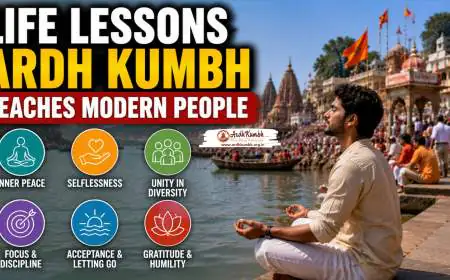
Ritual discipline teaches:
-
Patience in crowds
-
Humility in shared space
-
Equality before sacred water
-
Responsibility toward nature
When millions bathe in the same river, social hierarchies dissolve temporarily.
Water equalizes.
The act becomes collective purification.
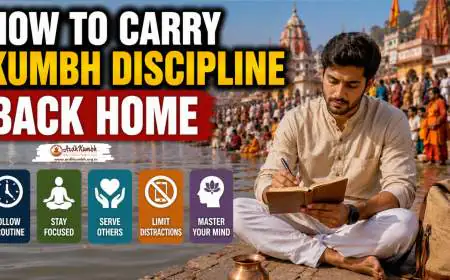
Integrating Ardh Kumbh Practices into Daily Life
The true measure of pilgrimage lies in transformation.
After returning home, pilgrims are encouraged to:
-
Maintain daily prayer.
-
Practice honesty in dealings.
-
Offer charity regularly.
-
Observe periodic fasting.
-
Continue mantra recitation.
The river cleanses once.
Discipline sustains cleansing.
Spiritual Risks of Treating Ritual as Spectacle
Modern technology can distract from devotion.
When ritual becomes performance:
-
Ego resurfaces.
-
Comparison replaces humility.
-
Merit diminishes.
Participation must be inwardly anchored.
The outer bath is visible.
The inner purification is invisible — yet more important.
Ritual as Collective Dharma Preservation
Ardh Kumbh sustains living tradition.
It transmits:
-
Scriptural memory
-
Monastic lineage authority
-
Cultural continuity
-
Ethical reinforcement
Each pilgrim becomes a carrier of tradition.
Participation is not passive — it is contribution.
Conclusion: From Sacred Bath to Sacred Living
Ardh Kumbh rituals form a complete spiritual system:
Snan purifies.
Puja sanctifies.
Daan distributes merit.
Japa stabilizes awareness.
Discipline preserves transformation.
The sacred bath lasts minutes.
Its impact can last a lifetime.
The river washes the body.
Ritual discipline reshapes the mind.
Sincere intention awakens the soul.
True Ardh Kumbh is not just experienced at the ghat —
it continues in conduct long after the pilgrimage ends.
Frequently Asked Questions