


































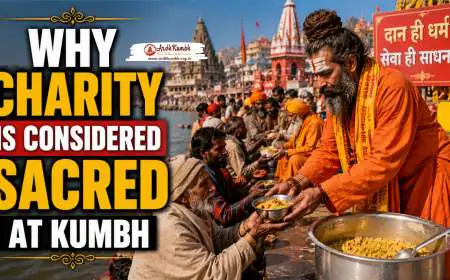






























How Akharas Shape the Soul of Ardh Kumbh
Learn how Akharas shape the spiritual structure of Ardh Kumbh, guiding saints, rituals, and sacred traditions that define one of the most profound Hindu pilgrimages.

How Akharas Shape the Soul of Ardh Kumbh
The Spiritual Foundation of Ardh Kumbh
The spiritual character of Ardh Kumbh is shaped not only by the sacred river or the millions of pilgrims who gather there, but by a centuries-old monastic system known as the Akharas. These institutions form the spiritual framework of the festival and guide its rituals, traditions, and religious order.
In Hindu ascetic culture, Akharas represent organized monastic orders where saints dedicate their lives to renunciation, spiritual discipline, and preservation of sacred knowledge. During Ardh Kumbh, these orders gather in large numbers, bringing together ascetics, scholars, and spiritual leaders who carry forward traditions that have been practiced for generations.
For pilgrims, the presence of the Akharas defines the deeper spiritual meaning of the pilgrimage. Their camps become places where teachings are shared, blessings are given, and ancient traditions continue to guide millions of devotees who arrive seeking spiritual purification and insight.
Want to experience Ardh Kumbh in person?
Get official dates, snan guidelines, Akharas, and travel planning tips in our dedicated event guide.
→ Ardh Kumbh Mela 2027 Complete Guide
Trending Guides Now

Har Ki Pauri Ganga Aarti Time Today in Haridwar
Read Guide →
Ardh Kumbh Mela Rituals Explained Shahi Snan & Akhara Traditions
Read Guide →
Why Order and Cleanliness Are Strictly Enforced
Read Guide →
Daily Spiritual Practices Only Seen at Ardh Kumbh
Read Guide →
Best Routes to Reach Haridwar for Ardh Kumbh Mela
Read Guide →
Ardh Kumbh 2027 Dates (Official) - Haridwar Snan Schedule
Read Guide →
How Kumbh Keeps India’s Civilizational Memory Alive
Read Guide →
February Weather Reality at Ardh Kumbh
Read Guide →Understanding the Institution of Akharas
The tradition of Akharas developed as structured communities of Hindu ascetics who lived under disciplined spiritual systems. Each Akhara follows a specific philosophical lineage rooted in ancient Hindu teachings.
Historically, these institutions served multiple purposes. They preserved sacred texts, maintained spiritual traditions, and created organized communities of renunciates who dedicated themselves to meditation, learning, and religious service.
Over centuries, the Akharas became powerful guardians of Hindu ascetic traditions. Their influence extended across pilgrimage routes, temples, and spiritual centers. At Ardh Kumbh, their role becomes particularly visible because the festival brings together the major monastic orders in one sacred setting.
Each Akhara functions as a spiritual fraternity led by senior saints who guide disciples and maintain the traditions of the order.
Historical Roots of Akharas in Kumbh Traditions
The connection between Akharas and Kumbh gatherings developed gradually over centuries as monastic orders began assembling during major pilgrimages.
The pilgrimage created a natural platform for spiritual interaction between different ascetic traditions. Saints from various orders gathered to debate philosophy, exchange teachings, and guide pilgrims. Over time, this gathering became institutionalized, with Akharas forming the central leadership structure of the festival.
This historical development transformed the festival from a simple pilgrimage into an organized spiritual congregation. The presence of Akharas ensured discipline, hierarchy, and continuity within the massive gathering.
Today, their participation continues to define the spiritual authority of the event.
The Role of Akharas in Organizing Sacred Rituals
One of the most visible roles of Akharas during Ardh Kumbh is their leadership in sacred rituals.
The most significant of these rituals is the Shahi Snan, the royal bathing ceremony performed on astrologically significant dates. During this ritual, the Akharas enter the sacred river in a carefully established sequence that reflects their traditional hierarchy.
This ceremonial order is not simply symbolic. It represents centuries of spiritual tradition and institutional structure within Hindu ascetic communities.
The processions leading to the bathing ritual are marked by chanting, traditional symbols, and the presence of Naga Sadhus, who represent one of the most visible ascetic traditions associated with the Akharas.
These rituals reinforce the spiritual significance of the festival and remind pilgrims that the gathering is deeply rooted in ancient religious practices.
Also Read | Ardh Kumbh 2027 Official Dates (Haridwar)
Naga Sadhus and the Ascetic Identity of Akharas
Among the most recognized figures within the Akharas are the Naga Sadhus, ascetics who practice extreme forms of renunciation.
These saints renounce material possessions, social identity, and conventional living in order to dedicate themselves completely to spiritual pursuit. Their presence during Ardh Kumbh reflects the deep ascetic traditions preserved within the Akharas.
Historically, Naga Sadhus were also trained as warrior ascetics who protected pilgrimage routes and sacred institutions during periods of political instability.
Today, they remain powerful symbols of renunciation and spiritual commitment within the Akharas.
Akhara Camps as Spiritual Centers
During Ardh Kumbh, each Akhara establishes large camps that serve as temporary spiritual communities.
These camps host thousands of ascetics and disciples who live together following monastic discipline. Pilgrims often visit these camps to receive blessings, listen to spiritual discourses, and observe ascetic traditions.
Inside these camps, daily life revolves around prayer, meditation, scriptural discussion, and ritual worship.
For many pilgrims, these camps provide a rare opportunity to interact directly with saints and experience the living traditions of Hindu spirituality.
Spiritual Guidance for Pilgrims
One of the most important contributions of Akharas at Ardh Kumbh is spiritual guidance.
Pilgrims who arrive at the festival often seek answers to religious questions, blessings for their families, or spiritual direction. The saints of the Akharas provide teachings based on scriptures, philosophical traditions, and personal experience.
These interactions help transform the pilgrimage from a ritual journey into a meaningful spiritual encounter.
The teachings offered in Akhara camps often emphasize values such as devotion, discipline, compassion, and inner transformation.
To truly experience the spiritual power of Ardh Kumbh, every devotee should explore Shahi Snan rituals and Akhara traditions, which explain the sacred bathing process, monastic discipline, and ancient customs that shape this holy gathering. This guide helps pilgrims connect deeply with the true essence of the Mela.
Preservation of Hindu Spiritual Traditions
Beyond their role in the festival, Akharas serve as long-standing institutions that preserve Hindu spiritual traditions.
They maintain lineages of teachers, protect ancient philosophical teachings, and ensure that ascetic disciplines continue to be practiced across generations.
The gathering of Akharas at Ardh Kumbh demonstrates how these traditions remain active and relevant in modern times.
For scholars and pilgrims alike, this continuity highlights the resilience of Hindu spiritual culture.
The Institutional Structure of Akharas
Each Akhara follows an organized structure led by senior saints who hold spiritual authority within the order.
These leaders guide disciples, manage religious activities, and maintain the traditions of the institution.
The hierarchy within Akharas ensures discipline and continuity. It also allows the orders to coordinate effectively during large gatherings such as Ardh Kumbh.
Through this structure, the festival maintains order even as millions of pilgrims participate in the sacred rituals.
Why Akharas Remain Central to Ardh Kumbh
The presence of Akharas ensures that Ardh Kumbh remains anchored in spiritual tradition rather than becoming only a large public gathering.
Their leadership preserves the sacred rituals, maintains the spiritual hierarchy, and provides guidance to pilgrims.
Without the participation of the Akharas, the deeper philosophical and ascetic traditions that define the festival would lose their central role.
Their continued involvement keeps the event connected to the ancient spiritual roots that have shaped Hindu pilgrimage for centuries.
The Living Spiritual Legacy of Akharas
The enduring presence of Akharas at Ardh Kumbh reflects the continuity of Hindu spiritual traditions.
Through their rituals, teachings, and disciplined communities, these monastic orders sustain the deeper purpose of the pilgrimage. They embody the ideals of renunciation, devotion, and spiritual pursuit that have defined Hindu ascetic culture for generations.
For pilgrims who participate in Ardh Kumbh, the encounter with the saints of the Akharas often becomes the most meaningful part of the journey.
In this way, the Akharas do more than participate in the festival—they shape its spiritual soul and preserve the traditions that make the pilgrimage one of the most profound expressions of faith in the world.
Related Ardh Kumbh Guides :
- When Is the Next Ardh Kumbh Mela in Haridwar?
- Har Ki Pauri Ganga Aarti Time in Haridwar: Complete Schedule
- Why Har Ki Pauri Becomes the Heart of Ardh Kumbh
- Ardh Kumbh vs Maha Kumbh: The Real Difference Explained
- Is Attending Ardh Kumbh Mandatory for Devotees?
- Why Ardh Kumbh Holds the Same Spiritual Weight as Kumbh
- How Ardh Kumbh Evolved Over Centuries of Faith ?
- Ancient Scriptures That Clearly Explain Ardh Kumbh
- Strict Rules Pilgrims Follow at Ardh Kumbh
- Is Ardh Kumbh Really Different From Kumbh Mela?
Frequently Asked Questions