
































































The Spiritual Discipline Every Ardh Kumbh Pilgrim Follows
Discover the spiritual discipline every Ardh Kumbh pilgrim follows, including sacred bathing, prayer, fasting, and devotion that define this powerful Hindu pilgrimage.
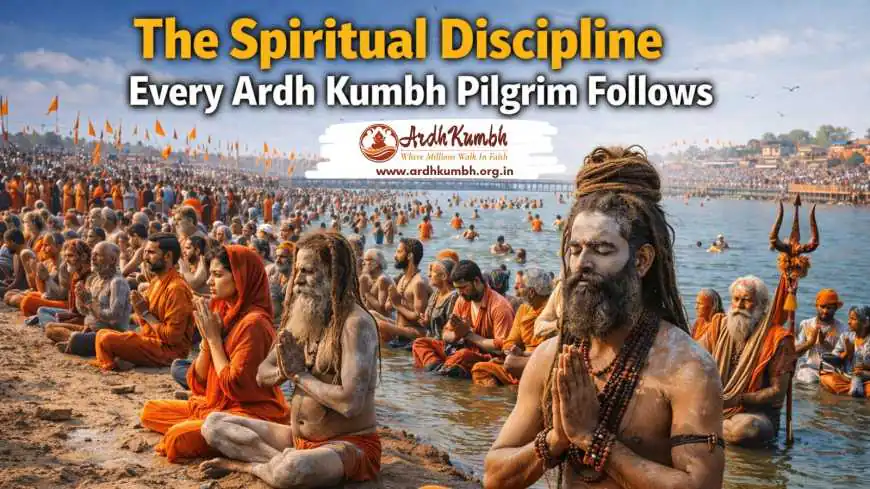
The Spiritual Discipline Every Ardh Kumbh Pilgrim Follows
Understanding the Spiritual Discipline of Ardh Kumbh
The pilgrimage of Ardh Kumbh is often recognized for its immense scale, sacred bathing rituals, and the gathering of millions of devotees. Yet beneath this visible spectacle lies a deeper spiritual structure built upon discipline, devotion, and conscious self-reflection. Every pilgrim who participates in Ardh Kumbh follows a set of spiritual disciplines that transform the journey from a physical visit into a meaningful spiritual experience.
These disciplines are not enforced by rules or authorities but are guided by centuries of spiritual tradition. Pilgrims voluntarily adopt practices such as prayer, fasting, humility, charity, and ritual purification. These practices help devotees prepare their minds and hearts before participating in sacred rituals.
The essence of Ardh Kumbh lies in spiritual purification. The sacred bath may symbolize the cleansing of sins, but the discipline that surrounds the pilgrimage reflects a deeper commitment to inner transformation. For many pilgrims, this discipline begins long before arriving at the sacred river and continues even after returning home.
Want to experience Ardh Kumbh in person?
Get official dates, snan guidelines, Akharas, and travel planning tips in our dedicated event guide.
→ Ardh Kumbh Mela 2027 Complete Guide
Trending Guides Now
Strict Rules Pilgrims Follow at Ardh Kumbh
Read Guide →
What Self-Restraint Really Means at Kumbh
Read Guide →
Why Listening Is Valued More Than Speaking at Kumbh
Read Guide →
Why Saints Enter the River Before Sunrise at Kumbh
Read Guide →
Best Routes to Reach Haridwar for Ardh Kumbh Mela
Read Guide →
Ardh Kumbh 2027 Dates (Official) - Haridwar Snan Schedule
Read Guide →
How Kumbh Keeps India’s Civilizational Memory Alive
Read Guide →
February Weather Reality at Ardh Kumbh
Read Guide →The Philosophy Behind Ardh Kumbh Discipline
The spiritual discipline practiced during Ardh Kumbh is rooted in fundamental principles of Hindu philosophy. These principles emphasize self-control, devotion, and awareness of the divine presence in everyday life.
Pilgrims are encouraged to practice restraint in speech, thought, and behavior. The journey itself becomes a symbolic act of renunciation, where individuals temporarily detach from worldly distractions and focus on spiritual growth.
In many ways, Ardh Kumbh functions as a temporary spiritual retreat. Pilgrims enter a sacred environment where prayer, rituals, and spiritual teachings guide daily activities.
This disciplined environment allows individuals to reconnect with spiritual values that may be overlooked in everyday life.
Preparing the Mind Before the Pilgrimage
The discipline of Ardh Kumbh often begins well before pilgrims arrive at the sacred site.
Many devotees prepare themselves through prayer, fasting, and increased spiritual practice in the weeks leading up to the pilgrimage. This preparation reflects a belief that the sacred journey should be approached with mental clarity and devotion.
Pilgrims may also read sacred texts, chant mantras, and participate in religious gatherings to strengthen their spiritual focus.
By the time they reach the pilgrimage site, many devotees already feel spiritually connected to the purpose of the journey.
Also Read | Ardh Kumbh 2027 Official Dates (Haridwar)
The Sacred Bath and Ritual Purification
The most recognized ritual of Ardh Kumbh is the sacred bath in the holy river. Pilgrims believe that bathing during astrologically significant moments purifies accumulated sins and strengthens spiritual merit.
However, the bath itself is only one element of the discipline followed by pilgrims.
Before entering the water, many devotees offer prayers, meditate briefly, or chant sacred mantras. These acts transform the bathing ritual into a moment of spiritual awareness rather than a simple physical act.
The immersion in the sacred river represents surrender to divine grace and the symbolic cleansing of past actions.
Daily Prayer and Devotion
Prayer plays an essential role in the spiritual discipline of Ardh Kumbh pilgrims.
Throughout the pilgrimage, devotees engage in regular prayer sessions, often at sunrise and sunset. These moments allow pilgrims to express gratitude, seek blessings, and deepen their connection with divine teachings.
Prayer may take the form of chanting, silent meditation, or recitation of sacred verses.
Within the pilgrimage environment, the sound of devotional chants and hymns becomes a constant reminder of the sacred purpose of the gathering.
The Practice of Fasting
Fasting is another common discipline followed by many pilgrims during Ardh Kumbh.
In Hindu spiritual practice, fasting is believed to purify the body while strengthening mental focus and spiritual awareness. Some pilgrims observe partial fasts, consuming simple meals once or twice a day, while others follow stricter fasting traditions on specific sacred dates.
The purpose of fasting is not physical hardship but spiritual mindfulness. By limiting material consumption, devotees remind themselves that spiritual nourishment holds greater value than physical comfort.
To truly experience the spiritual power of Ardh Kumbh, every devotee should explore Shahi Snan rituals and Akhara traditions, which explain the sacred bathing process, monastic discipline, and ancient customs that shape this holy gathering. This guide helps pilgrims connect deeply with the true essence of the Mela.
Charity and Service
Acts of charity form an important part of the discipline observed during Ardh Kumbh.
Pilgrims are encouraged to share food, donate clothing, support community kitchens, and assist fellow travelers. These acts reflect the spiritual principle that compassion and generosity are essential expressions of faith.
Many pilgrims believe that offering help to others during the pilgrimage multiplies the spiritual merit of their journey.
This spirit of service creates a collective atmosphere of kindness within the massive gathering.
Learning from Saints and Ascetics
The presence of ascetics and spiritual teachers provides an important opportunity for pilgrims to deepen their understanding of spiritual discipline.
Many pilgrims visit camps where saints deliver teachings on devotion, meditation, and moral conduct. These discussions help explain the philosophical foundations behind the rituals practiced during Ardh Kumbh.
Listening to spiritual guidance often encourages pilgrims to adopt disciplined practices that continue long after the pilgrimage ends.
Maintaining Simplicity During the Journey
Simplicity is a central aspect of the discipline followed by Ardh Kumbh pilgrims.
Most devotees travel with minimal belongings and adopt a simple lifestyle during the pilgrimage. They focus on spiritual practices rather than material comforts.
This simplicity reflects the broader spiritual principle of detachment from excess and appreciation for essential needs.
For many pilgrims, living simply during the festival becomes a powerful reminder of spiritual priorities.
The Collective Energy of Devotion
One of the most remarkable aspects of Ardh Kumbh is the collective discipline observed by millions of pilgrims.
Despite the immense scale of the gathering, the environment often reflects a shared sense of devotion and spiritual purpose. Pilgrims participate in rituals, prayers, and charitable acts with sincerity and respect.
This collective devotion creates a powerful spiritual atmosphere that many participants describe as deeply transformative.
The discipline practiced by individuals gradually shapes the spiritual identity of the entire pilgrimage.
When Discipline Becomes Spiritual Transformation
The journey of Ardh Kumbh ultimately reveals that spiritual discipline is not limited to rituals or temporary practices.
For many pilgrims, the lessons learned during the pilgrimage continue long after the sacred bath is complete. Practices such as prayer, compassion, simplicity, and self-reflection become part of daily life.
The pilgrimage serves as a reminder that spiritual growth requires commitment, awareness, and consistent discipline.
Through these practices, Ardh Kumbh becomes more than a gathering—it becomes a living path toward inner transformation.
Related Ardh Kumbh Guides :
- When Is the Next Ardh Kumbh Mela in Haridwar?
- Har Ki Pauri Ganga Aarti Time in Haridwar: Complete Schedule
- Why Har Ki Pauri Becomes the Heart of Ardh Kumbh
- Ardh Kumbh vs Maha Kumbh: The Real Difference Explained
- Is Attending Ardh Kumbh Mandatory for Devotees?
- Why Ardh Kumbh Holds the Same Spiritual Weight as Kumbh
- How Ardh Kumbh Evolved Over Centuries of Faith ?
- Ancient Scriptures That Clearly Explain Ardh Kumbh
- Strict Rules Pilgrims Follow at Ardh Kumbh
- Is Ardh Kumbh Really Different From Kumbh Mela?
Frequently Asked Questions