

































































Why Silence, Vows, and Simplicity Matter at Kumbh
Discover why silence, vows, and simplicity hold deep spiritual meaning at Kumbh, shaping the discipline, devotion, and inner transformation of pilgrims.
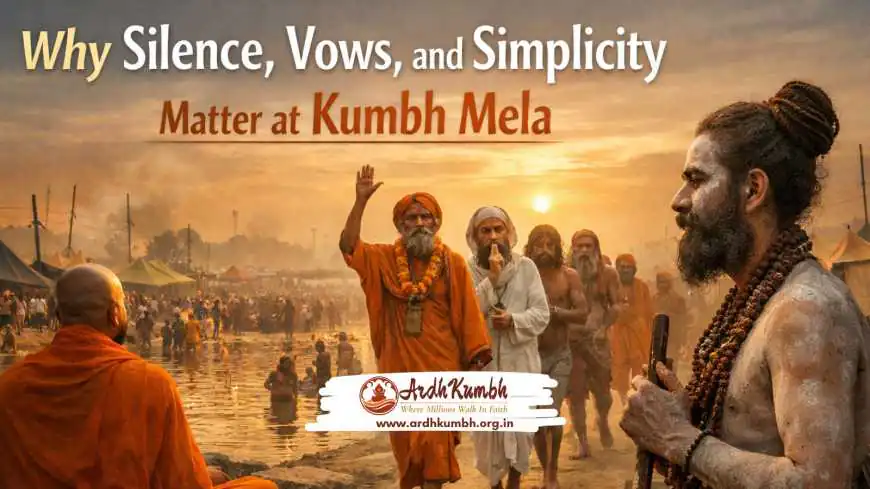
Why Silence, Vows, and Simplicity Matter at Kumbh
The Inner Discipline Behind Kumbh
The vast pilgrimage known as Kumbh is often recognized for its immense gatherings, sacred bathing rituals, and the presence of ascetics and saints. Yet beneath these visible expressions of devotion lies a quieter spiritual foundation built on silence, vows, and simplicity. These practices shape the deeper meaning of the pilgrimage and guide the inner transformation that many pilgrims seek during their journey.
For centuries, those who travel to Kumbh have approached the pilgrimage not only as a ritual event but as an opportunity to practice spiritual discipline. Pilgrims adopt vows of restraint, maintain periods of silence, and embrace simple living during the pilgrimage. These practices help devotees detach from everyday distractions and focus on spiritual awareness.
In this way, Kumbh becomes more than a gathering of millions. It becomes a spiritual environment where ancient disciplines encourage individuals to turn inward, reflect on their lives, and reconnect with deeper spiritual values.
Want to experience Ardh Kumbh in person?
Get official dates, snan guidelines, Akharas, and travel planning tips in our dedicated event guide.
→ Ardh Kumbh Mela 2027 Complete Guide
Trending Guides Now

Har Ki Pauri Ganga Aarti Time Today in Haridwar
Read Guide →
Ardh Kumbh Mela Rituals Explained Shahi Snan & Akhara Traditions
Read Guide →
Why Order and Cleanliness Are Strictly Enforced
Read Guide →
Daily Spiritual Practices Only Seen at Ardh Kumbh
Read Guide →
Best Routes to Reach Haridwar for Ardh Kumbh Mela
Read Guide →
Ardh Kumbh 2027 Dates (Official) - Haridwar Snan Schedule
Read Guide →
How Kumbh Keeps India’s Civilizational Memory Alive
Read Guide →
February Weather Reality at Ardh Kumbh
Read Guide →Understanding the Meaning of Silence in Spiritual Practice
Within Hindu spiritual traditions, silence is often regarded as a powerful tool for self-awareness and inner clarity. At Kumbh, many ascetics and pilgrims observe periods of silence as part of their spiritual discipline.
This practice, commonly known as Mauna Vrat, involves intentionally refraining from speech in order to quiet the mind and reduce external distractions. By limiting conversation, individuals create space for reflection, prayer, and meditation.
In the crowded environment of Kumbh, where devotional chants and ritual activities fill the air, moments of silence offer a powerful contrast. Pilgrims who observe silence often describe feeling more attentive to their thoughts and more connected to their spiritual intentions.
Silence therefore becomes not merely the absence of speech but a deliberate act of spiritual awareness.
The Spiritual Significance of Vows
Another important discipline practiced during Kumbh involves the taking of vows, known in Hindu tradition as Vrata.
A Vrata represents a commitment to follow specific spiritual practices for a defined period. These practices may include fasting, prayer, acts of charity, or abstaining from certain behaviors.
During Kumbh, many pilgrims adopt personal vows as part of their spiritual preparation. Some may fast on sacred bathing days, while others dedicate time to prayer or service.
The purpose of these vows is not simply ritual observance but the strengthening of self-discipline. By committing to a vow, pilgrims remind themselves of the deeper purpose of the pilgrimage: spiritual purification and moral renewal.
Also Read | Ardh Kumbh 2027 Official Dates (Haridwar)
The Role of Simplicity in Pilgrimage Life
Simplicity is another defining characteristic of the Kumbh pilgrimage experience.
Pilgrims often travel with minimal belongings, wear simple clothing, and live in temporary accommodations during the festival. This lifestyle reflects a conscious departure from the material comforts of everyday life.
Within Hindu philosophy, simplicity is closely linked with the concept of detachment. By reducing dependence on possessions and luxury, individuals create space for spiritual reflection.
During Kumbh, this simple way of living helps pilgrims focus on prayer, ritual, and interaction with spiritual teachers rather than worldly concerns.
The environment of the pilgrimage naturally encourages this simplicity, reinforcing its spiritual importance.
The Influence of Ascetic Traditions
The practices of silence, vows, and simplicity are strongly influenced by the ascetic traditions represented by saints and monks who attend Kumbh.
Many ascetics dedicate their entire lives to these disciplines. They practice meditation, renunciation, and strict spiritual routines that embody the ideals of self-control and detachment.
Pilgrims who observe these ascetics often feel inspired to adopt similar disciplines, even if only temporarily during the pilgrimage.
Through this interaction, the values of ascetic life influence the spiritual culture of the entire gathering.
To truly experience the spiritual power of Ardh Kumbh, every devotee should explore Shahi Snan rituals and Akhara traditions, which explain the sacred bathing process, monastic discipline, and ancient customs that shape this holy gathering. This guide helps pilgrims connect deeply with the true essence of the Mela.
How Discipline Enhances the Sacred Bath
The sacred bath in the holy river remains the most visible ritual of Kumbh, but the practices of silence, vows, and simplicity prepare pilgrims for this moment.
Many devotees spend time in prayer or meditation before entering the river. Others observe fasting or silent reflection on the morning of the ritual bath.
These practices transform the act of bathing into a deeply meaningful spiritual event.
Rather than viewing the ritual as a simple physical act, pilgrims approach it with awareness, humility, and devotion.
The Psychological Impact of Spiritual Discipline
The disciplines practiced during Kumbh also have profound psychological effects.
Periods of silence encourage mindfulness and emotional clarity. Vows strengthen self-control and commitment to ethical behavior. Simplicity reduces stress associated with material concerns.
Together, these practices create an environment where individuals can reflect on their lives and priorities.
Many pilgrims report feeling mentally lighter and spiritually renewed after participating in these disciplines during the pilgrimage.
The Collective Culture of Devotion
Although silence, vows, and simplicity are personal practices, they also contribute to the collective spiritual atmosphere of Kumbh.
When millions of individuals participate in acts of devotion and discipline, the environment of the pilgrimage becomes infused with a sense of shared purpose.
Pilgrims observe one another performing rituals, fasting, praying, and engaging in acts of charity. This collective participation reinforces the importance of spiritual values across the gathering.
In this way, individual discipline becomes part of a larger culture of devotion.
Lessons That Extend Beyond the Pilgrimage
One of the most meaningful aspects of these practices is that their influence often continues long after the pilgrimage ends.
Pilgrims who experience the benefits of silence, vows, and simple living frequently incorporate these values into their daily lives.
They may adopt regular meditation practices, maintain dietary discipline, or continue acts of charity within their communities.
The pilgrimage therefore becomes a starting point for lasting spiritual growth rather than a temporary religious event.
Where Simplicity Reveals Spiritual Depth
The enduring message of Kumbh lies in the realization that spiritual transformation often arises from the simplest practices.
In a gathering attended by millions, the quiet disciplines of silence, vows, and simplicity remind pilgrims that true spiritual progress begins within the individual.
These practices invite participants to slow down, reflect, and reconnect with deeper values that transcend material concerns.
Amid the sacred rivers, ancient rituals, and the presence of saints, these simple disciplines continue to guide countless pilgrims toward inner clarity and spiritual awareness.
Related Ardh Kumbh Guides :
- When Is the Next Ardh Kumbh Mela in Haridwar?
- Har Ki Pauri Ganga Aarti Time in Haridwar: Complete Schedule
- Why Har Ki Pauri Becomes the Heart of Ardh Kumbh
- Ardh Kumbh vs Maha Kumbh: The Real Difference Explained
- Is Attending Ardh Kumbh Mandatory for Devotees?
- Why Ardh Kumbh Holds the Same Spiritual Weight as Kumbh
- How Ardh Kumbh Evolved Over Centuries of Faith ?
- Ancient Scriptures That Clearly Explain Ardh Kumbh
- Strict Rules Pilgrims Follow at Ardh Kumbh
- Is Ardh Kumbh Really Different From Kumbh Mela?
Frequently Asked Questions