















































How Emergency Response Works During Peak Crowd Days
Learn how emergency response systems work during peak crowd days at Kumbh, including medical aid, crowd control, rescue protocols, and safety planning.
How Emergency Response Works During Peak Crowd Days
Managing Millions Safely During the Most Critical Moments
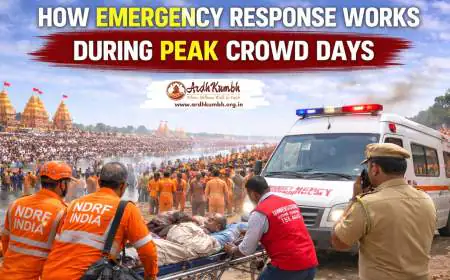
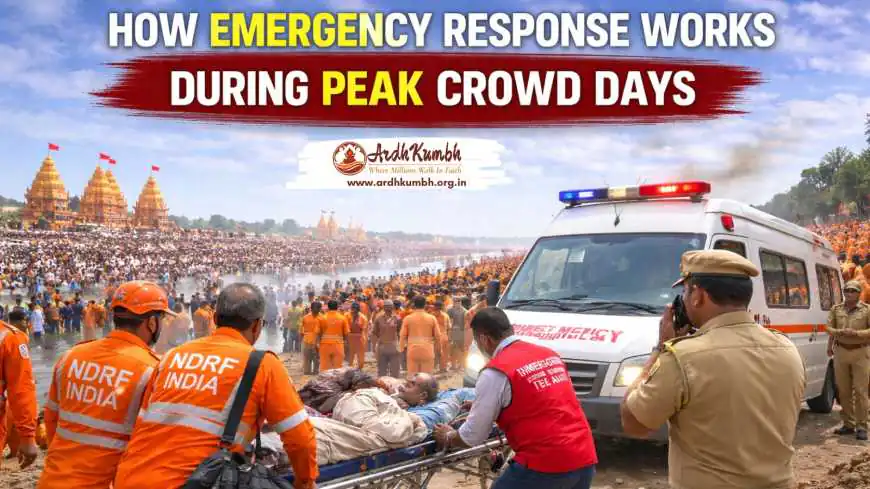
During peak crowd days at Kumbh Mela, when millions of pilgrims gather simultaneously for sacred rituals, the margin for error becomes extremely narrow. These days—especially major bathing dates—represent the highest level of operational complexity in the world of mass gathering management. Yet, despite the enormous scale, a highly structured and multi-layered emergency response system ensures that safety, medical aid, and crisis management remain effective and responsive.
The entire ecosystem functions like a well-coordinated command network, where real-time monitoring, rapid response teams, medical infrastructure, and crowd control mechanisms operate in sync. From the moment a risk is detected to the execution of response protocols, every second is optimized to prevent escalation. This system is not reactive alone—it is predictive, preventive, and continuously adaptive to crowd behavior.
Want to experience Ardh Kumbh in person?
Get official dates, snan guidelines, Akharas, and travel planning tips in our dedicated event guide.
→ Ardh Kumbh Mela 2027 Complete Guide
Understanding Peak Crowd Days and Risk Intensity
What Makes Peak Days High-Risk?
Peak days are typically aligned with auspicious bathing dates, where footfall increases exponentially within a short time frame. The risks during these periods include:
Trending Guides Now
Medical Emergencies at Ardh Kumbh: What You Must Do
Read Guide →
Ardh Kumbh Emergency Guide: Helplines, Hospitals & Help
Read Guide →
Best Routes to Reach Haridwar for Ardh Kumbh Mela
Read Guide →
Ardh Kumbh 2027 Dates (Official) - Haridwar Snan Schedule
Read Guide →
How Kumbh Keeps India’s Civilizational Memory Alive
Read Guide →
February Weather Reality at Ardh Kumbh
Read Guide →
Essential Rules Every Ardh Kumbh 2027 Pilgrim Must Follow
Read Guide →
When Is the Next Ardh Kumbh Mela in Haridwar?
Read Guide →- Overcrowding and stampede scenarios
- Medical emergencies due to exhaustion or dehydration
- Lost individuals, especially children and elderly
- Sudden environmental or structural hazards
The density of the crowd reduces mobility and increases response time challenges, making proactive planning critical.
The Backbone: Integrated Command and Control Centers
Centralized Monitoring and Decision-Making
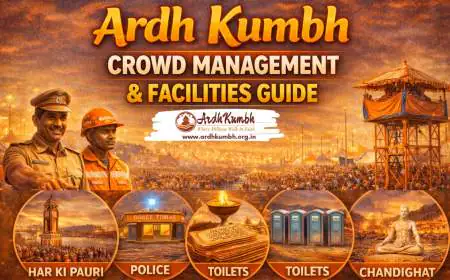
At the heart of the emergency system lies the Integrated Command and Control Center (ICCC). This hub:
- Monitors crowd density using CCTV and AI-based analytics
- Tracks movement patterns across zones
- Coordinates communication between departments
The ICCC enables authorities to make real-time decisions, such as redirecting crowd flow or deploying emergency teams instantly.
Advanced Crowd Monitoring Systems
Technology-Driven Surveillance
Modern crowd management systems rely heavily on technology, including:
- High-resolution CCTV cameras
- Drone surveillance for aerial monitoring
- AI tools to detect abnormal crowd behavior
These systems help identify early warning signs like unusual crowd build-up, allowing preventive action before situations escalate.
Layered Security and Crowd Control Mechanisms
Zonal Division Strategy
The entire event area is divided into multiple zones and sectors. Each zone has:
- Dedicated police and security personnel
- Controlled entry and exit points
- Defined crowd capacity limits
This segmentation ensures that even if one area becomes congested, it does not impact the entire system.
Also Read | Ardh Kumbh 2027 Official Dates (Haridwar)
Dynamic Crowd Diversion
Authorities use:
- Barricades and one-way routes
- Real-time announcements
- Digital signboards
to manage and redirect crowds efficiently. This reduces pressure on high-density areas and maintains smooth movement.
Medical Emergency Response Infrastructure
On-Ground Medical Facilities
During peak days, a robust medical response network is deployed, including:
- Temporary hospitals with emergency care units
- First-aid centers at regular intervals
- Mobile medical teams equipped for rapid response
These facilities are strategically placed to ensure minimum response time.
Ambulance and Rapid Transport Systems
A fleet of ambulances, including advanced life support units, is stationed across zones. Dedicated corridors are maintained for:
- Quick patient transport
- Uninterrupted emergency movement
This ensures that critical cases receive timely medical attention.
Rapid Response Teams and Disaster Units
Specialized Emergency Forces
Multiple teams are deployed, such as:
- Disaster response forces
- Fire and rescue units
- Quick reaction police teams
These units are trained to handle:
- Stampede situations
- Fire hazards
- Structural collapses
Their presence ensures immediate action in high-risk scenarios.
Communication Systems That Keep Everything Connected
Multi-Level Communication Network
Effective communication is crucial. The system includes:
- Wireless communication among officials
- Public announcement systems
- Mobile alerts and digital notifications
This ensures that both authorities and pilgrims receive timely information during emergencies.
Lost and Found Management System
Handling Missing Persons Efficiently
Given the scale of the crowd, a dedicated system manages:
- Missing person reports
- Identification and reunification processes
- Digital tracking and announcement support
Special counters and help centers are set up to ensure quick resolution.
Emergency Evacuation Protocols
Pre-Planned Exit Strategies
Evacuation plans are designed in advance, including:
- Clearly marked exit routes
- Emergency assembly points
- Controlled evacuation sequences
These plans are tested through simulations to ensure effectiveness during real situations.
To truly experience the spiritual power of Ardh Kumbh, every devotee should explore Shahi Snan rituals and Akhara traditions, which explain the sacred bathing process, monastic discipline, and ancient customs that shape this holy gathering. This guide helps pilgrims connect deeply with the true essence of the Mela.
Role of Volunteers and Ground Staff
Human Support System
Thousands of trained volunteers assist in:
- Guiding pilgrims
- Providing first-level support
- Managing crowd movement
Their presence adds a human touch to the system, making it more approachable and responsive.
Preventive Measures That Reduce Emergency Risks
Awareness and Preparedness
Authorities focus heavily on prevention by:
- Educating pilgrims about safety guidelines
- Broadcasting regular announcements
- Encouraging responsible behavior
This reduces the likelihood of emergencies before they occur.
Real-Time Data and Predictive Analysis
Using Data to Stay Ahead
Data collected from surveillance systems is analyzed to:
- Predict crowd surges
- Identify high-risk zones
- Optimize resource deployment
This predictive approach transforms emergency response from reactive to proactive.
Coordination Between Multiple Agencies
Unified Response System
Various departments work together, including:
- Police and security forces
- Health services
- Disaster management authorities
- Local administration
This coordination ensures a seamless response, eliminating delays and confusion.
Challenges in Emergency Response During Peak Days
Despite advanced systems, challenges remain:
- Extreme crowd density
- Limited mobility in congested zones
- Unpredictable human behavior
Continuous monitoring and adaptive strategies help overcome these challenges effectively.
How Pilgrims Can Support Emergency Systems
Personal Responsibility Matters
Pilgrims play a crucial role by:
- Following official instructions
- Avoiding overcrowded routes
- Staying aware of surroundings
Responsible behavior significantly enhances overall safety.
A System Built on Precision, Preparedness, and People
The emergency response during peak crowd days at Kumbh Mela is a testament to large-scale planning, technological integration, and human coordination. It is not just about reacting to crises but about creating an environment where risks are minimized and safety is continuously maintained.
From command centers and surveillance systems to medical teams and volunteers, every component works in harmony to manage one of the largest gatherings on Earth. This intricate system ensures that even in the most intense conditions, order, safety, and care remain uncompromised.
Related Ardh Kumbh Guides :
- When Is the Next Ardh Kumbh Mela in Haridwar?
- Har Ki Pauri Ganga Aarti Time in Haridwar: Complete Schedule
- Why Har Ki Pauri Becomes the Heart of Ardh Kumbh
- Ardh Kumbh vs Maha Kumbh: The Real Difference Explained
- Is Attending Ardh Kumbh Mandatory for Devotees?
- Why Ardh Kumbh Holds the Same Spiritual Weight as Kumbh
- How Ardh Kumbh Evolved Over Centuries of Faith ?
- Ancient Scriptures That Clearly Explain Ardh Kumbh
- Strict Rules Pilgrims Follow at Ardh Kumbh
- Is Ardh Kumbh Really Different From Kumbh Mela?
Frequently Asked Questions