































































Why Codes of Conduct Are Strict
Discover why codes of conduct are strict at Kumbh Mela. From banning alcohol to enforcing modesty, learn how firm rules protect millions, maintain sacred energy, and create a safe, transformative pilgrimage.

The Fragile Miracle: Why a Gathering of Millions Needs an Iron Frame 🚶
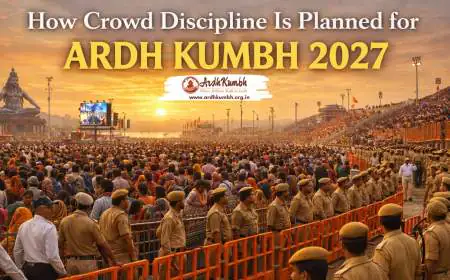
The sheer physics of the Kumbh are terrifying. When you compress millions of human bodies into a temporary city, the margin for error is vanishingly small. A single person tripping on a narrow pontoon bridge can create a ripple of panic that, in a less regulated environment, would become a deadly crush. A single drunk pilgrim shouting in the pre-dawn silence of the ghats can shatter the meditative calm of thousands. A single vendor selling contaminated food can trigger an epidemic in a population living in close quarters. Strict codes of conduct are the iron frame that holds the fragile body of the Mela together. They are designed to eliminate, as far as humanly possible, the triggers of chaos. The ban on alcohol is not a moral judgment on those who drink; it is a practical, life-saving measure to ensure that a hundred million human interactions remain peaceful, rational, and free of the unpredictable aggression that intoxication brings.
The prohibition of weapons, the strict vehicle restrictions, the one-way movement systems—these are not the whims of a controlling authority. They are the hard-won lessons of centuries of managing the largest gathering in human history. The Kumbh has witnessed tragedy when these rules were absent or unenforced. The strictness of the code is a form of sacred remembering, an institutional memory that says, "We have seen what happens when the rules break, and we will not let it happen again." The pilgrim who chafes against a rule is invited to see it not as a limitation but as a protective embrace, a necessary discipline that allows the almost impossible dance of millions to unfold in safety. The strictness is the price of the miracle, and it is a price paid willingly by those who understand that their personal convenience is a small sacrifice for the collective peace.
The Invisible Architecture of Sacred Space: How Rules Create the Spiritual Atmosphere 🛕
The Kumbh is not just a physical place; it is a spiritual atmosphere, a delicate and potent field of collective devotion that has been cultivated over millennia. This atmosphere is not automatic. It must be protected. Strict codes of conduct are the invisible architecture that maintains this sacred space. A single act of loud, intoxicated, or disrespectful behavior does not just offend individuals; it tears at the very fabric of the devotional field. The mind that is seeking stillness and prayer is violently pulled back into the mundane world by the sound of a drunken argument or the sight of someone bathing disrespectfully. The rules that govern dress, speech, and behavior are designed to create a total environment where every sensory input supports the inward journey. The modesty in dress reminds the mind that it is in a sacred precinct, not a marketplace. The prohibition of loud, boisterous behavior protects the silence that is the prerequisite for deep meditation.
This is also why rules around food exist. The bhandaras serve only pure, sattvic (vegetarian, simple) food, not because the tradition is puritanical but because the sages understood the relationship between diet and consciousness. Heavy, tamasic (meat, alcohol, overly spiced) food dulls the mind and agitates the body, making meditation and subtle spiritual perception vastly more difficult. The strict enforcement of a shared, pure diet ensures that the entire temporary city is operating on a similar, elevated mental frequency. The codes of conduct are strict because the tradition knows that spiritual transformation requires a conducive environment, and that environment must be deliberately, rigorously constructed. The rules are not fences to keep joy out; they are the walls of the temple, creating a space separate from the ordinary world, where the extraordinary can occur.
Trending Guides Now

Why Sacred Bathing Is the Heart of Ardh Kumbh
Read Guide →
Complete Guide to Ardh Kumbh Rituals
Read Guide →
Ardh Kumbh Mela Rituals Explained Shahi Snan & Akhara Traditions
Read Guide →
How Akharas Shape the Soul of Ardh Kumbh
Read Guide →
Best Routes to Reach Haridwar for Ardh Kumbh Mela
Read Guide →
Ardh Kumbh 2027 Dates (Official) - Haridwar Snan Schedule
Read Guide →
Why Zone Awareness Will Matter in 2027
Read Guide →
How Crowd Flow Will Be Managed in Peak 2027 Days
Read Guide →The Guru's Discipline: How Strict Rules Mirror the Spiritual Path 🧘
The path of spiritual growth, in every authentic tradition, is a path of increasing discipline. The sadhus who sit in silent meditation for hours, who fast for days, who have renounced all possessions and comforts, are not freewheeling libertines. They are the most disciplined human beings on the planet. The strict codes of conduct at the Kumbh are, in this sense, a temporary initiation for the householder pilgrim into the life of discipline that leads to inner freedom. The rule that asks you to wake before dawn and bathe in cold water is not a punishment; it is a direct transmission of the ancient practice of tapas, the sacred fire that burns away laziness and attachment. The rule that asks you to eat simple food, to speak softly, to treat every stranger with respect—this is a practical, embodied course in the foundational ethics of yoga: the yamas and niyamas.
The pilgrim who struggles with the strictness is, in reality, struggling with their own undisciplined mind. The code of conduct holds up a mirror. It reveals our attachments to comfort, to our own preferences, to the ego's desire to be the exception. The Kumbh says, gently but firmly, "For these few sacred days, you will live like a sadhu. You will learn that happiness does not require alcohol, that peace does not require privacy, and that dignity does not require expensive clothing." The strictness of the code is the guru's firm hand, guiding the disciple toward a freedom they did not know they were missing. Those who embrace the discipline discover, often to their astonishment, that the strict rules have given them a profound and unexpected peace, a lightness of being that comes from the temporary surrender of the ego's endless demands.
The Safety of the Vulnerable: Protecting the Old, the Young, and the Women 🤲
The Kumbh Mela is a gathering of the most vulnerable as much as it is of the strong. Elderly pilgrims, some on the final pilgrimage of their lives, walk with canes and unshakeable faith. Mothers carry infants. Young women travel alone, often for the first time. For these pilgrims, the strict codes of conduct are not an abstraction; they are a literal lifeline. A ban on alcohol, enforced at entry points and throughout the Mela, drastically reduces the risk of harassment and violence. A strictly enforced dress code, for both men and women, desexualizes the environment, creating a space where women can walk, bathe, and sleep with a degree of safety and respect that is tragically rare in many public spaces. The rules against photography of bathing pilgrims protect the dignity of those in a vulnerable state of undress and prayer.
The presence of a strong, uniformed police force, combined with thousands of sevadars (volunteers), is itself a form of strictness that protects the weak. The code that demands obedience to the authorities, that punishes queue-jumping and aggressive behavior, ensures that the frail and the gentle are not trampled by the strong and the impatient. The strictness of the code of conduct is a clear declaration: the Kumbh is a sanctuary. The rules are the walls of the sanctuary, and they are guarded so that the most vulnerable among us can feel safe, respected, and free to focus entirely on their spiritual purpose. A society is measured by how it protects its weakest members, and by that measure, the strictly regulated society of the Kumbh is one of the most civilized places on earth.
The Preservation of Purity: Why the Tradition Guards Against Pollution 🌊
The Kumbh is built around a central, non-negotiable belief: the sacred rivers are living goddesses, and their purity must be protected. This is not just a physical purity, though that is vital; it is a ritual and spiritual purity. The strict codes of conduct around what can be brought into the bathing areas, the prohibition of soaps and detergents, the careful management of waste, and the rules against throwing trash into the river are all expressions of this core value. The Kumbh's organizers, working with the akharas, enforce these rules with an iron hand because the sanctity of the river is the very reason for the pilgrimage. To pollute the Ganga is to desecrate the Mother.
But the concept of purity extends to the human body and mind. The prohibition of intoxicants, the requirement of vegetarian food within the sacred zones, and the emphasis on personal cleanliness are all part of maintaining a state of shaucha, or purity, which is the first step on the yogic path. The tradition understands that the outer environment mirrors the inner state. A clean, orderly, and pure external space supports a clean, orderly, and pure mind. The strictness of the code is the collective discipline of keeping the vessel—both the physical vessel of the Mela and the individual vessel of the body—clean enough to receive the divine. This is not obsessive-compulsive ritualism; it is a practical, embodied spirituality that respects the profound connection between the material and the sacred.
The Cost of Chaos: What Happens When Rules Are Absent ⚠️
To truly understand why codes of conduct are strict, one must look at the times when they have been absent or have failed. The history of large religious gatherings is tragically littered with stampedes, riots, and outbreaks of disease that occurred precisely because basic rules of crowd management, hygiene, and behavior were not enforced. The Kumbh has its own scars, moments in its long history when the fragile order broke and lives were lost. Every strict rule on the books today is, in a very real sense, a memorial to those who died so that the lessons could be learned. The one-way bridge system exists because a two-way flow once crushed people. The alcohol ban is absolute because a single intoxicated individual once sparked a panic.
The strictness is the institutional memory of disaster. It is a collective, sacred vow that says, "Never again." The pilgrim who complains about the long, circuitous walking route does not know that the direct path was closed after a tragedy. The visitor who is frustrated by the security check does not know that those checks have intercepted weapons that could have caused unimaginable carnage. The rules are strict because the cost of leniency, in a gathering of this scale, is measured in human lives. The administration and the akharas are the guardians of this trust, and they enforce the code with a solemnity that may seem harsh to the uninformed but is, in truth, the most profound form of compassion.
The Wisdom of Surrender: How Accepting the Rules Becomes a Spiritual Practice ✅
Ultimately, the pilgrim's relationship with the strict code of conduct is itself a spiritual practice. The ego, by its very nature, wants to be the exception. It wants to find the loophole, to assert its specialness, to complain about the inconvenience. The Kumbh offers a radical alternative: surrender. To accept the rules, not grudgingly but with an open heart, is to practice Ishvara Pranidhana, the surrender to the divine order. When you follow the color-coded signs without argument, when you dress modestly without resentment, when you leave your cigarettes and your camera at home with a quiet sense of offering, you are engaging in a powerful act of ego-dissolution. You are saying to the universe, "I am not the center. I am a small part of a vast, sacred whole, and I will align myself with its rhythm."
This surrender is not weakness. It is the doorway to a deeper strength. The pilgrim who has stopped fighting the rules discovers a vast reservoir of energy that was previously spent on resistance. That energy becomes available for prayer, for meditation, for acts of kindness. The strictness of the code is, in this light, a profound spiritual kindness. It removes the exhausting burden of having to decide everything for yourself. For a few sacred days, you are held by a structure larger than your own preferences. You are free to simply be, to walk, to bathe, to eat, and to pray, without the constant, nagging negotiation of the ego. This is the liberating gift hidden within the firm rules of the Kumbh.
The Code That Creates a Temporary Paradise
The Kumbh Mela is a fleeting glimpse of what human society could be. A place where strangers share food. Where women walk safely. Where the strong protect the weak. Where the air is filled with prayer instead of the noise of commerce and conflict. This temporary paradise is not accidental. It is the direct result of a strict code of conduct, embraced by millions and enforced by a dedicated army of volunteers and officials. The strictness is the scaffolding around a sacred work of art. It is the discipline that allows the beauty to unfold. The pilgrim who arrives with a humble heart and a willingness to follow the rules does not feel imprisoned. They feel held. They discover that the strict code is not a cage but a sanctuary, a place where the ordinary chaos of human life is, for a brief and glorious moment, suspended, and where the soul can finally, safely, and fully breathe.
Frequently Asked Questions