

































































Can Ardh Kumbh Be Experienced Digitally
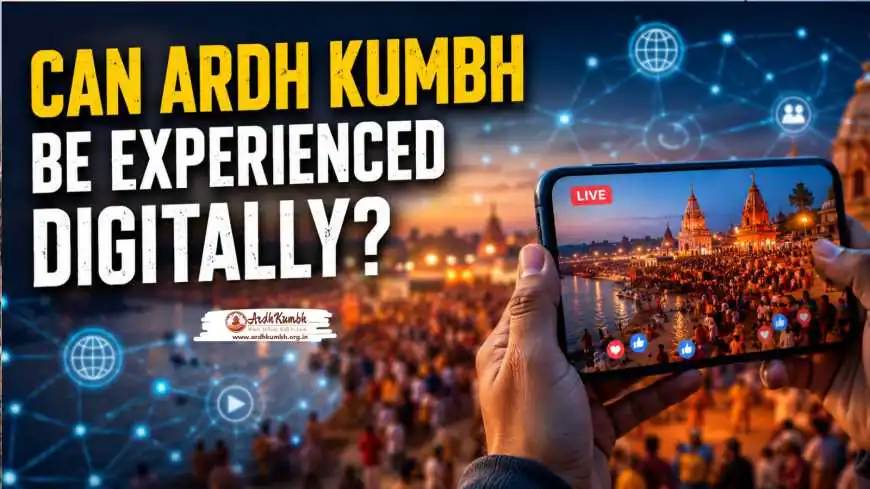
Can Ardh Kumbh be experienced digitally? Discover what a virtual pilgrimage can and cannot offer, from live aarti streams to the irreplaceable power of cold water and collective silence.
The Sensory World That No Algorithm Can Replicate 🌫️
The first and most fundamental reason the Ardh Kumbh cannot be fully experienced digitally is that the pilgrimage is a total sensory immersion, and a screen is a flat, odorless, temperature-controlled surface. At the Kumbh, your body is constantly engaged in a dialogue with the environment that no live stream can transmit. The biting cold of the pre-dawn air, the rough, uneven ground beneath your tired feet, the shocking, breath-stealing plunge into the freezing river—these are not incidental discomforts. They are the very language through which the pilgrimage speaks to the soul. The cold water is the primary guru for many pilgrims, silencing the chattering mind in a way that no amount of digital meditation guidance can achieve. The long walk, the aching muscles, the simple hunger before a bhandara meal—these physical states are the crucible in which spiritual transformation is forged. A video of a cold bath is just a video. The embodied experience is the sacrament.
Then there is the sense of smell, the most memory-evoking of all the senses and the one most completely absent from digital media. The unique, intoxicating blend of burning ghee from a thousand dhuni fires, the sweet dampness of marigold garlands, the earthy scent of the river, and the human smell of a vast, moving crowd—this is the olfactory fingerprint of the Kumbh, and it is an essential part of its spiritual atmosphere. Sound, too, is flattened by a speaker. The immense, three-dimensional, enveloping roar of the "Har Har Mahadev" chant as the naga sadhus charge into the water is a physical vibration that hits your chest and resonates in your bones. A recording captures the noise but not the visceral power. The digital Kumbh can show you a picture of a crowded ghat; it cannot make you feel the strange, gentle pressure of a peaceful, devotional crowd, the anonymous hands that steady you when you stumble. These are the irreplaceable, multi-sensory gifts of physical presence, and they are the foundation upon which the spiritual architecture of the Kumbh is built.
The Digital Bridge: What the Virtual Kumbh Offers 🌐
While it cannot replace the physical journey, the digital Kumbh is a profound and invaluable gift for millions. For the elderly, the disabled, the terminally ill, and those whose financial or geographic circumstances make the journey impossible, the virtual pilgrimage is not a pale imitation; it is a genuine channel of grace. They can participate in the sacred moment through high-definition live streams of the shahi snan processions and the Ganga aarti from their homes. They can hear the same mantras, see the same sacred waters, and synchronize their prayers with the cosmic Muhurta. The tradition itself holds that sincere intention and devotion are the true measures of a pilgrimage, and the digital window allows that intention to be focused and fulfilled. The blessing is not limited by geography.
The official Kumbh Mela apps and websites are powerful tools for knowledge and connection. They provide accurate, real-time information on the astrological dates, the zone maps, the location of medical camps and lost-and-found centers, and the official schedules for the akhara processions. For a generation accustomed to screens, these platforms can provide a crucial educational bridge to an ancient and often bewildering event. Dedicated online communities on social media allow pilgrims to share experiences, ask questions, and support each other. A first-time pilgrim can learn invaluable practical advice from a veteran, reducing anxiety and deepening their preparation. The digital Kumbh is a gateway. It demystifies, educates, and connects. It can be the spark that ignites the desire to make the physical journey in a future cycle.
Trending Guides Now

Ardh Kumbh vs Maha Kumbh: The Real Difference Explained
Read Guide →
Is Ardh Kumbh Really Different From Kumbh Mela?
Read Guide →
How Many Days Are Actually Enough for Ardh Kumbh?
Read Guide →
Can Families Attend Ardh Kumbh Comfortably Together?
Read Guide →
Best Routes to Reach Haridwar for Ardh Kumbh Mela
Read Guide →
Ardh Kumbh 2027 Dates (Official) - Haridwar Snan Schedule
Read Guide →
How Ardh Kumbh Unified Diverse Sampradayas
Read Guide →
Why Certain Ghats Are Considered Spiritually Superior
Read Guide →The Preparation Portal: How Digital Tools Prime the Pilgrim ✅
Perhaps the most powerful and spiritually appropriate use of digital technology is in the preparation phase, months before the pilgrim sets foot on the sacred ground. In this context, the digital realm acts as a servant to the physical pilgrimage, not a substitute. You can use the official maps and zone systems published online to study the layout of the temporary city. You can familiarize yourself with the color-coded routes, the locations of the different akhara camps, and the specific entry and exit points for the shahi snan days. This knowledge, internalized before you arrive, transforms you from a confused, anxious wanderer into a calm, confident pilgrim who can devote their mental energy to prayer rather than navigation.
You can also use digital platforms for the vital practical work of accommodation and travel booking. Securing your tent and train tickets well in advance, from the comfort of your home, is a critical act of preparation that directly impacts the spiritual quality of your pilgrimage. You can use apps to learn the basic mantras you will chant at the river. You can join online discussion groups to ask questions and absorb the collective wisdom of experienced pilgrims. Technology, used in this way, is a form of modern sadhana. It is the focused, intelligent preparation that allows the physical pilgrimage to unfold with greater grace and depth. The key is to use the digital tools as a means to an end—the end being your fully present, embodied immersion in the sacred.
The Danger of the Digital Proxy: Mistaking the Window for the View ⚠️
There is a subtle spiritual danger in the digital experience of the Kumbh, one that must be acknowledged honestly. The danger is that the convenience of the virtual becomes a permanent substitute for the difficult, transformative work of the real. Watching a live stream of the aarti from a comfortable couch, surrounded by the familiar distractions of home, can provide a fleeting feeling of spiritual connection without demanding anything from you. It can create the illusion of participation without the sacrifice. The ego, which fears the cold, the crowd, and the loss of control, will eagerly whisper, "This is enough. You have experienced the Kumbh." But it is not enough. A thousand hours of high-definition video cannot reproduce the spiritual alchemy of a single, sincere, full-body immersion in the freezing river at 4 AM.
The digital proxy can become a form of spiritual bypassing. The real Kumbh challenges you at every level: physical, mental, emotional, and financial. It strips away your defenses and forces a confrontation with yourself. The digital version, by its nature, removes almost all of that challenge. If you are physically and financially able to go, and you choose the screen instead out of comfort, you are not being kind to yourself. You are avoiding the very fire that is meant to purify you. The tradition is not a passive, virtual experience. It is a radical, embodied, and demanding path, and its deepest rewards are reserved for those who walk it with their own feet. The screen is a wonderful window, but do not mistake it for the door. If you can walk through the door, do so.
The Integrated Pilgrimage: Using Digital Wisely During and After the Mela 📱
For the pilgrim who has made the physical journey, digital tools can play a small but useful role during the Kumbh, provided they are used with strict discipline. The most important function is safety and navigation. Offline maps, a digital copy of your ID and accommodation details, and the ability to make a call in an emergency are genuinely valuable. However, the most powerful spiritual practice during the Mela is often to disconnect completely. The Kumbh is a rare, sacred opportunity for a total sensory detox from the digital world. To spend your time on the ghats scrolling through social media or trying to capture the "perfect shot" for your feed is to miss the point entirely. The pilgrimage is asking you to be present, and presence is incompatible with a glowing screen in your hand. If you film the aarti, do it briefly, and then put the phone away and let the real, non-digital experience flood your senses.
After the pilgrimage, digital tools come into their own as a powerful means of integration and continuity. You can use your device to store and revisit the photos and videos you took, not for public display, but as private, sacred reminders of the state of peace you touched. You can use apps for your daily mantra practice or to listen to the same bhajans you heard at the akhara camps. You can stay connected with the spiritual community you found there through messaging groups. In this way, technology becomes a tool to help you carry the grace of the Kumbh back into your ordinary life. It helps build the bridge between the peak experience of the pilgrimage and the slow, steady, daily sadhana that is the true path of transformation. The digital Kumbh, in this post-pilgrimage role, is a faithful servant, helping you to remember, to practice, and to keep the sacred fire burning until the next cycle calls you back.
The Soul That No Camera Can Capture
The most important thing to understand about the digital experience of the Ardh Kumbh is that its very center—the soul of the pilgrimage—is something that no camera can record and no algorithm can stream. It is the silent, invisible, and utterly transformative inner shift that happens when you stand, shivering and anonymous, in a sacred river that has been purifying souls since before recorded history. It is the unexpected tears that come during the aarti, the sudden release of a grief you have carried for years. It is the profound, loving gaze of a sadhu that seems to see straight into your being and accept you completely. It is the taste of simple dal that becomes the most exquisite meal of your life because you are utterly present while eating it.
These experiences are not data. They are the direct, unmediated, and deeply personal encounters between the individual soul and the divine. They are the true destination of the pilgrimage, and they cannot be captured or transmitted. A video of the Sangam is just water. The Sangam itself is a living goddess. The digital realm can point you toward her, but you must go to the river yourself to receive her embrace. The screen can show you the fire, but it cannot warm you. For those who cannot go, let the digital Kumbh be a genuine channel of blessing, a connection maintained until the body can make the journey. For those who can go, let the digital tools be your servants, but leave them behind when you step into the sacred water. The Kumbh is waiting for you, not your device. And it is only when you put the screen away and open your heart that the true pilgrimage begins.
Frequently Asked Questions