































































Are Medical Facilities Adequate for Elderly Pilgrims?
Honest assessment of medical facilities for senior citizens at Kumbh Mela. Hospitals, ambulances, doctors, and what elderly pilgrims need to know before going.

The Scale of the Medical Operation at Kumbh
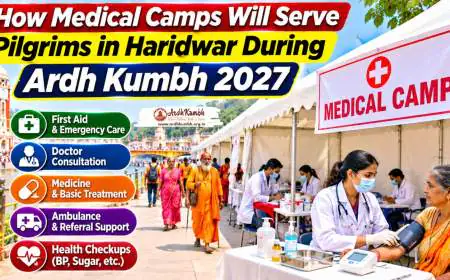
Let me start by giving credit where it is due. The medical operation at the Ardhkumbh.org.in/story-behind-the-ardh-kumbh-mela" class="contextual-link" data-post-id="24">Kumbh Mela is enormous. We are not talking about a few first-aid booths. We are talking about a temporary healthcare system that rivals a small city. During the Ardh Kumbh, the government sets up central hospitals with inpatient beds, operation theaters, ICUs, and X-ray facilities. Satellite medical camps — sometimes fifty or more — are scattered across the Mela grounds so that no pilgrim is ever more than a ten or fifteen-minute walk from some form of medical help. Mobile medical vans patrol the busiest areas. Ambulances — both basic and advanced life support — are stationed at key points. Specialized units for cardiac care, trauma, and pediatrics operate at the main hospitals. Eye camps, dental camps, and physiotherapy centers are run by charitable organizations. In terms of scale, the Kumbh medical facilities are genuinely impressive. I have seen doctors from top government hospitals volunteering their time. I have seen surgeons performing emergency procedures in temporary operation theaters. The infrastructure exists. But — and this is a big but — accessing that infrastructure during peak crowd can be a nightmare.
Central Hospitals vs. Satellite Camps: What Elderly Pilgrims Need to Know
Here is the first thing you need to understand. Medical facilities at the Kumbh come in two tiers. Central hospitals are the big ones — fully equipped, with specialists, beds, and emergency rooms. These are the places you want if something serious happens — a heart attack, a stroke, a bad fall, severe dehydration. But these central hospitals are usually located at the edges of the Mela grounds, not in the middle. Getting there from the crowded ghats can take twenty to thirty minutes in normal conditions, longer during Shahi Snan days. Satellite medical camps are smaller — often just a few rooms with a doctor or nurse, basic medicines, and a stretcher. These are great for small problems — blistered feet, mild dehydration, minor cuts, blood pressure checks. But if your elderly pilgrim needs serious care, the satellite camp will stabilize them and arrange transport to a central hospital. For elderly pilgrims, my advice is this. Know where the nearest central hospital is before you need it. Mark it on your map. Save the route in your mind. Because when your parent collapses, you will not have time to figure it out.
Ambulance Services: The Good, The Bad, and The Crowded
Let me talk about ambulances with complete honesty. The Kumbh has many of them. Government ambulances, private ambulances, and those run by charitable trusts. Some are basic transport vehicles. Some are advanced life support ambulances with paramedics, oxygen, defibrillators, and emergency drugs. On paper, this sounds excellent. In reality, there are two major problems. First, ambulances get stuck in crowds. The same millions of pilgrims that make the Kumbh beautiful also block the roads. I have seen ambulances with sirens blaring take forty-five minutes to move one kilometer. Second, during peak Shahi Snan days, the demand for ambulances far exceeds supply. If multiple elderly pilgrims have medical emergencies at the same time — and this happens — you may wait. What can you do about this? First, do not wait until the situation is critical to call for help. At the first sign of trouble — chest pain, confusion, difficulty breathing — call the medical helpline. Second, if you can transport your elderly pilgrim to a hospital by private vehicle or even by walking (if they can walk), do it. Do not wait for an ambulance if you have a faster option. Third, carry your own emergency medications — nitroglycerin spray for heart patients, glucose powder for diabetics. You may need to stabilize your parent before help arrives.
What Medical Facilities Are Actually Available for Elderly Pilgrims?
Let me give you a specific, practical list of what medical facilities your elderly pilgrim can actually access. First, free check-ups for blood pressure, blood sugar, and basic vitals at most government medical camps. Second, free medicines for common conditions — hypertension, diabetes, arthritis, respiratory infections. Third, oxygen cylinders and nebulizers at central hospitals for those with lung problems. Fourth, ECG machines and cardiac monitoring at major hospitals. Fifth, X-ray facilities for detecting fractures from falls. Sixth, IV fluids for severe dehydration. Seventh, stitching and wound care for cuts and injuries. Eighth, basic dental care — extractions, fillings, pain relief. Ninth, eye check-ups and free reading glasses at some camps. Tenth, physiotherapy for elderly pilgrims with mobility issues. What is not reliably available? Dialysis for kidney patients. Chemotherapy or radiation for cancer patients. Complex surgeries beyond emergency trauma care. Long-term hospitalization beyond a few days. If your elderly pilgrim needs these things regularly, the Kumbh is likely not safe for them.
Trending Guides Now
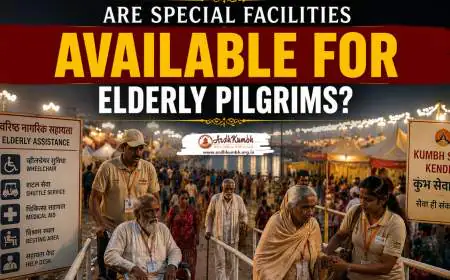
Are Special Facilities Available for Elderly Pilgrims?
Read Guide →
Can Women Take Shahi Snan at Ardh Kumbh?
Read Guide →
First time at Ardh Kumbh? Read This Before You Go
Read Guide →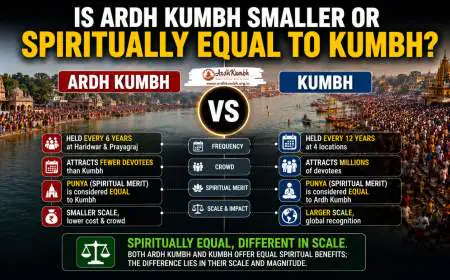
Is Ardh Kumbh Smaller or Spiritually Equal to Kumbh?
Read Guide →
Ardh Kumbh 2027 Dates (Official) - Haridwar Snan Schedule
Read Guide →
Dharamshala Stay During Ardh Kumbh: Free & Budget Guide
Read Guide →
Official Progress Report of Haridwar Ardh Kumbh 2027 Infrastructure Projects
Read Guide →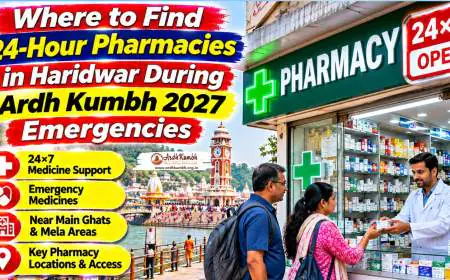
Where to Find 24-Hour Pharmacies in Haridwar During Ardh Kumbh 2027 Emergencies
Read Guide →The Reality of Geriatric Care at Kumbh
Here is a painful truth. Geriatric care — specialized medical attention for the unique needs of elderly patients — is not a priority at the Kumbh. The system is designed for mass casualties — dehydration, trauma, infectious diseases. It is not designed for the slow, complex, multi-system breakdowns that characterize aging. A seventy-five-year-old with diabetes, high blood pressure, mild kidney disease, and early dementia is a medical puzzle even in a top hospital. At a Kumbh medical camp, overwhelmed doctors may not have the time or resources to untangle that puzzle. What does this mean for you? It means you must be the geriatric specialist for your elderly pilgrim. You need to know their conditions. You need to carry detailed medical records. You need to advocate for them forcefully if they need attention. Do not assume that a doctor at a medical camp will ask the right questions. Volunteer the information. Say, "My father has a history of heart failure, he takes these four medications, he had a stent placed two years ago, and his blood pressure has been unstable." Speak clearly. Hand over written records. Be the squeaky wheel. In an overwhelmed system, the elderly pilgrims who get the best care are those with the most prepared families.
Stocking Your Own Medical Kit: What to Bring
Let me be very direct. Do not rely on Kumbh medical facilities for basic supplies. Bring your own medical kit for your elderly pilgrim and assume you will have no access to anything else. Here is your packing list. All prescription medications — at least ten days extra. Blood pressure monitor — small, portable, battery-operated. Glucometer with extra strips and lancets for diabetics. Oral rehydration salts — at least twenty packets. Antibiotic ointment for cuts and blisters. Pain relief spray for joints and muscles. Elastic bandages for sprains. Antiseptic wipes and hand sanitizer. Thermometer — digital, quick-read. Insect repellent — elderly skin is thin and infections spread fast. Cough drops and lozenges for dry throat from dust. Motion sickness tablets if your elderly pilgrim is traveling by road. Laxatives — constipation is common in elderly due to changed food and water. Antidiarrheal medication — stomach infections are common at the Kumbh. Small first-aid manual — so you know what to do before you find a doctor. This kit is not optional. It is your elderly pilgrim's lifeline when medical help is thirty minutes away.
Recognizing Medical Emergencies in Elderly Pilgrims
Here is something that could save a life. Medical emergencies in elderly pilgrims often do not look like they do in younger people. A heart attack in a senior may not involve chest pain. It may look like sudden confusion, nausea, extreme fatigue, or shortness of breath. A stroke may not cause dramatic paralysis. It may look like a loss of balance, difficulty speaking, or a droopy eye that comes and goes. Dehydration — extremely common at the Kumbh — can look like dementia in an elderly pilgrim. Confusion, agitation, and hallucinations from dehydration are often mistaken for mental decline. Low blood sugar in a diabetic senior can look like drunkenness — stumbling, slurred speech, odd behavior. Here are your red flags. Any new confusion in an elderly pilgrim who was mentally clear yesterday. Any difficulty speaking or understanding. Any fall — even if they say they are fine. Any chest discomfort — even if it is mild. Any unusual sweating when it is not hot. Any complaint of severe headache. Any vomiting that does not stop. If you see any of these, do not wait. Do not say, "Let's see if it passes." Go to the nearest medical camp immediately. Minutes matter for elderly pilgrims.
The Biggest Danger: Not Medical Facilities, But Crowds
Let me tell you the truth that most articles avoid. The medical facilities at the Kumbh are not the biggest problem for elderly pilgrims. The crowds are. A senior citizen with mobility issues can be knocked over by a surging crowd before any doctor can help. An elderly pilgrim with anxiety can have a panic attack when pressed on all sides by strangers. A grandfather with hearing loss can miss warnings and walk into danger. The crowds at the Kumbh — especially on Shahi Snan days — are not gentle. They are a river of humanity that moves with its own momentum. For a young, strong person, this is uncomfortable. For an elderly pilgrim, it is dangerous. So here is my most important advice. Do not take your elderly pilgrim into the main crowd. Ever. Use the reserved queues. Bathe at less crowded ghats. Go on non-Shahi Snan days when the crowd is manageable. Watch the Shahi Snan processions from a distance — a platform, a rooftop, a live stream. The spiritual benefit of being in the water is not worth the physical risk of being crushed in a crowd. The Ganga will not judge your elderly pilgrim for bathing on a quieter day. She will welcome them just the same.
Personal Stories: When Medical Facilities Saved Lives
Let me share stories to balance the fear. I have seen Kumbh medical facilities save elderly pilgrims who would have died otherwise. A seventy-eight-year-old woman from a remote village in Madhya Pradesh collapsed from heat stroke near Har ki Pauri. Within five minutes, a mobile medical van reached her. Within fifteen minutes, she was on IV fluids in a satellite camp. Within an hour, she was stable and resting. Her grandson later told me, "If this had happened in our village, there is no hospital for fifty kilometers. She would have died." A eighty-two-year-old man from West Bengal had a heart attack during the Shahi Snan. The reserved queue volunteers called an ambulance. The advanced life support ambulance reached him in seven minutes — the crowd parted when people heard "heart attack." He was rushed to the central hospital, given emergency medication, and stabilized. He survived. His family named their next child Kumbh. These stories are real. They happen because the medical infrastructure, despite its flaws, exists. For many elderly pilgrims from rural India, the Kumbh offers better emergency medical care than they can access at home. That is not a failure of the Kumbh. That is a failure of rural healthcare. But it means that for some seniors, the Kumbh is actually the safest place they have ever been.
When Medical Facilities Are Not Enough: The Honest Warning
Let me end with an honest warning. Medical facilities at the Kumbh are adequate for most elderly pilgrims most of the time. But "adequate" is not "excellent." "Adequate" is not "guaranteed." If your elderly pilgrim has a Stage 4 cancer, end-stage kidney disease, severe dementia, frequent heart attacks, or any condition that requires intensive, continuous, specialized care — the Kumbh is not the place for them. I know this is hard to hear. I know your grandfather has dreamed of this his whole life. But bringing him to the Kumbh when his body cannot handle it is not an act of love. It is an act of risk. The Kumbh is not a miracle factory. It cannot pause a stroke because your parent wanted one last dip. Sometimes, the kindest thing you can do is say no. Watch the Kumbh on television together. Perform a Ganga puja at home. Honor the dream without endangering the dreamer. The Ganga flows everywhere. The Kumbh happens in the heart as much as on the riverbank. Let your elderly pilgrim keep their dream alive without risking their life. That is real love. And real love is the best medical facility of all.
Frequently Asked Questions