














































Why Self-Restraint Is Central
Discover why self-restraint is central to spiritual transformation at the Kumbh Mela. Learn how the sacred pilgrimage teaches control over body, speech, and mind, and why this ancient discipline is the secret to lasting inner freedom.
The Mastery of the Senses: Pratyahara in the Heart of Chaos 🌫️
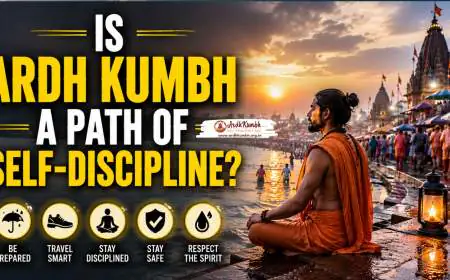
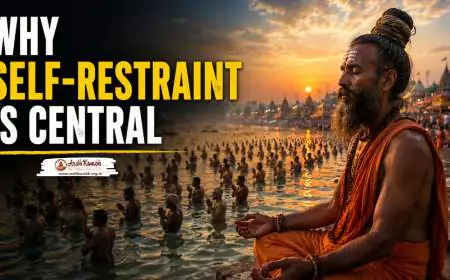
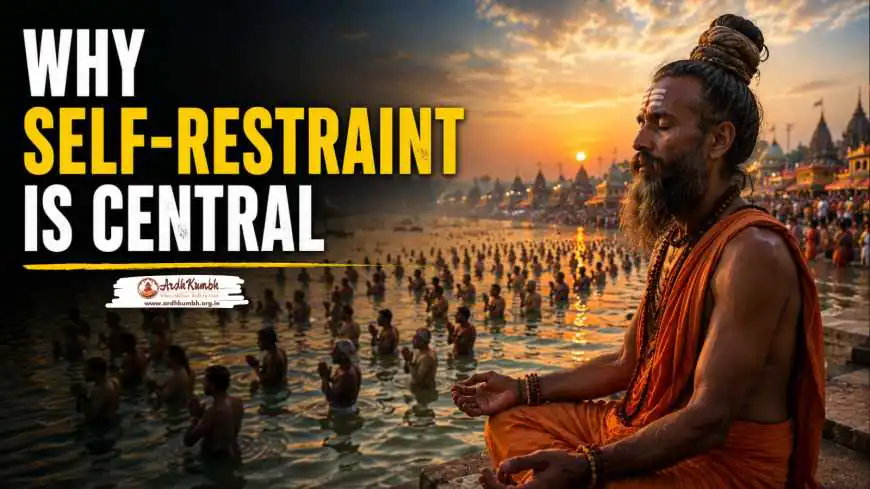
The Kumbh Mela is the most intense sensory environment on the planet. The noise—the constant, overlapping din of temple bells, loudspeakers, chanting, shouting, and wailing—is a relentless assault on the ears. The smells of incense, woodsmoke, human sweat, and river mud create a dizzying, disorienting cocktail. The visual field is a kaleidoscopic chaos of colours, moving bodies, and blinding lights. For a mind that is a slave to its senses, the Kumbh is a recipe for total overwhelm, anxiety, and exhaustion. This is why self-restraint in the form of sensory control, or pratyahara, is absolutely central to the pilgrimage. The pilgrim must learn to withdraw their attention from the external chaos and anchor it in an inner stillness. This is not a denial of the world; it is the conscious choice not to be tossed around by it like a leaf in a storm.
The discipline is to walk through the roaring crowd with a soft gaze, your awareness turned inward, resting on a mantra or the rhythm of your own breath. It is to hear the blaring loudspeaker and not be disturbed, recognising it as just another wave in the vast ocean of sound. It is to smell the delicious, spicy food from a vendor's stall and to consciously choose to walk on toward the simple, sattvic meal of the bhandara. This training in sensory self-restraint is one of the most valuable and portable skills the Kumbh offers. The pilgrim who can find a still, silent centre within the sensory hurricane of the Mela has mastered a skill that will make them unshakeable in any stressful situation in their daily life. They are no longer a victim of their environment. They carry their peace within them.
The Discipline of the Tongue: Mauna, the Sacred Vow of Silence 🤫
A vast amount of our vital spiritual energy is leaked every day through the simple, unconscious act of speech. We talk to fill the silence, to assert our ego, to complain, to gossip, to numb our own discomfort. At the Kumbh Mela, many serious pilgrims choose to practice mauna, a formal vow of silence, for a day, several days, or even the entire pilgrimage. This is one of the most powerful and direct forms of self-restraint. When you stop speaking, you are not just conserving the energy that was being wasted in idle chatter. You are forcibly shutting down one of the ego's primary modes of expression. The ego, which constantly wants to narrate, explain, and defend itself, suddenly finds itself with a gag. This is profoundly uncomfortable at first. The mind rebels, filling with a thousand witty remarks you will never make, a thousand complaints you will never voice. But if you sit through this discomfort without breaking the vow, a profound shift occurs. You discover that the core of your being is not the endless, chattering narrator. It is the silent, peaceful awareness that witnesses the chatter.
The discipline of the tongue also transforms how you listen. When you are not busy formulating your response, you can actually hear what others are saying, and you can hear the profound, sacred silence that exists beneath all the noise of the Mela. Mauna is a sacred technology for redirecting the flow of prana (life-force energy) inward. The energy that was constantly flowing out through speech is now available for deeper meditation, for prayer, and for a profound, healing inner rest. The pilgrim who practices mauna at the Kumbh is practicing the self-restraint of the sage, and they will taste a silence that is not an absence of sound but a powerful, living presence.
Trending Guides Now
Complete Guide to Ardh Kumbh Rituals
Read Guide →
Ardh Kumbh Mela Rituals Explained Shahi Snan & Akhara Traditions
Read Guide →
Why Pilgrims Strictly Follow Codes of Conduct
Read Guide →
Why Discipline Is Sacred at Ardh Kumbh Mela Explained
Read Guide →
Best Routes to Reach Haridwar for Ardh Kumbh Mela
Read Guide →
Ardh Kumbh 2027 Dates (Official) - Haridwar Snan Schedule
Read Guide →
How Ardh Kumbh Sustained Leadership Traditions
Read Guide →
Entry Rules Every Pilgrim Must Follow
Read Guide →The Restraint of the Palate: Fasting, Simplicity, and the Bhandara Meal 🍚
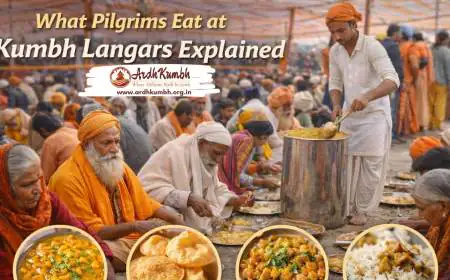
The path of self-restraint at the Kumbh inevitably involves the discipline of food. The body, accustomed to a constant stream of varied, rich, and stimulating tastes, is suddenly offered a radically simplified diet. The bhandaras serve pure, sattvic food—simple dal, roti, rice, and a seasonal vegetable. There is no menu of choices to pander to the restless palate. There are no indulgent sweets or fried, spicy snacks to provide a quick hit of sensory pleasure. This is a direct and challenging form of self-restraint. The mind, which is deeply conditioned to seek pleasure through food, rebels. It complains of boredom, of a lack of flavour, of a craving for just one cup of sugary chai. The discipline is to eat with gratitude, to taste the inherent, subtle sweetness of a simple grain, and to recognise the craving itself as just a passing mental storm that you do not need to obey.
Many pilgrims also choose to observe some form of fasting during their stay, whether it is a full day without food, a diet of only fruits, or a single meal taken before noon. This voluntary restraint of the palate is a powerful physical austerity that purifies the body and sharpens the mind. A heavy, tamasic diet makes the mind dull and lethargic, unfit for the subtle work of meditation. A light, sattvic diet, or a temporary fast, makes the mind clear, alert, and receptive. The self-restraint practiced at the bhandara table is not about a hatred of the body; it is about recognising that the body is a sacred instrument, and the fuel you put into it directly determines the quality of your spiritual experience. The pilgrim who masters the restraint of the palate discovers a freedom from the tyranny of food cravings that can permanently transform their health and their relationship with eating.
The Crowd as a Teacher: Restraining the Ego and Cultivating Patience 🤲
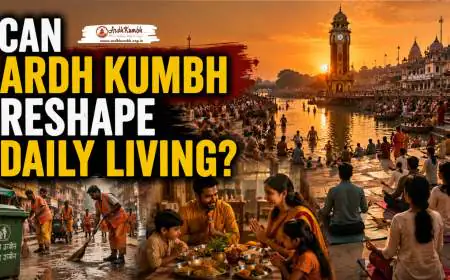
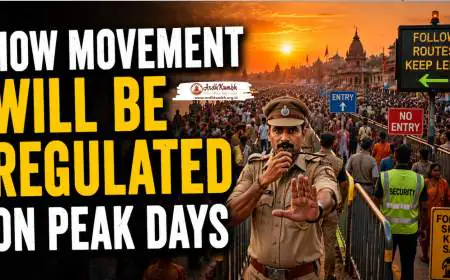
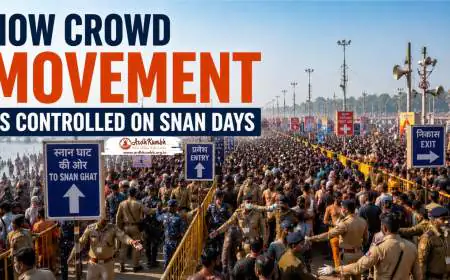
The dense, slow-moving crowd of the Kumbh Mela is perhaps the most effective and infuriating teacher of self-restraint imaginable. The modern, individualistic self is accustomed to personal space, to efficiency, to moving at its own chosen speed. The Kumbh crowd systematically annihilates all of these preferences. You are stuck in a queue that is not moving. You are pressed against strangers. Your plans are thwarted by the sheer, unstoppable mass of humanity. The ego, which wants to assert its importance and its right to be unimpeded, goes into a state of furious, helpless rage. This is the moment of the crucial spiritual test. The self-restraint required here is not of the body but of the ego itself. You must restrain the impulse to push, to shout, to complain, to blame. You must restrain the inner narrative of victimhood and self-importance. The discipline is to stand there, in the heart of the frustration, and simply breathe.
The crowd teaches patience, not as an abstract virtue but as a physical, visceral practice. It teaches you to accept that you are not the centre of the universe, that your personal convenience is not the most important thing in the world. This is a profoundly humbling and liberating lesson. The pilgrim who learns to restrain their ego in the Kumbh's queues, who can surrender their need to control, who can simply be still and wait with a calm heart, has achieved a spiritual victory of immense proportions. The long, slow walks, the endless waits, the plans that dissolve into chaos—these are not flaws in the pilgrimage. They are the very curriculum. The crowd is a living, breathing mirror that reveals every last trace of arrogance and impatience in your own heart, and the self-restraint you practice in its midst is the sandpaper that polishes the soul smooth.
The Inner Lion: How Self-Restraint Leads to Genuine Freedom 🦁
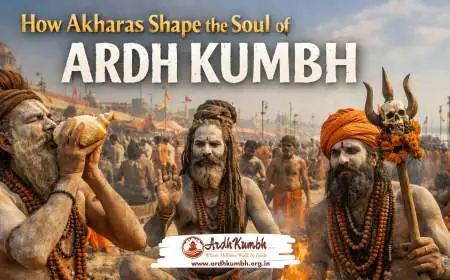
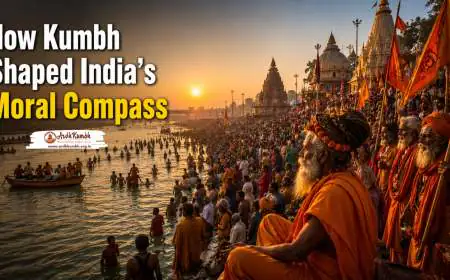
To the modern, secular mind, self-restraint sounds like a prison. It evokes images of grim-faced puritans denying themselves all joy. The Kumbh Mela reveals this as one of the greatest and most tragic misunderstandings in human history. At the Kumbh, you encounter a paradox that shatters this illusion. The most joyful, the most peaceful, the most genuinely free people you will meet are not the ones indulging every whim. They are the sadhus, the renunciates who have practiced the most extreme forms of self-restraint for decades. The silent, ash-smeared naga baba who owns nothing, who eats one simple meal a day, who has taken a lifetime vow of celibacy and truthfulness—he is not a prisoner. He is the freest person you will ever see. He is not a slave to his impulses, to the endless, exhausting cycle of wanting and acquiring and craving more. He has mastered himself, and that mastery has granted him a sovereignty that no king can claim.
This is the central, life-changing secret of the Kumbh: self-restraint is not the enemy of freedom; it is the only path to it. A person who cannot control their own senses, who is a puppet of every passing desire and every reactive emotion, is not free. They are a slave, dancing on the strings of their own untrained mind. The pilgrim who has practiced the self-restraint of the Kumbh—who has learned to wake early, to endure cold, to eat simply, to hold their tongue, to be patient in the crowd—has broken those strings. They have discovered a quiet, unshakeable centre of conscious choice. They can now act out of wisdom and love, rather than reacting blindly out of fear and craving. This is the ultimate, radiant freedom that awaits on the other side of the hard, beautiful work of self-restraint.
Practical Steps for Weaving Self-Restraint Into Your Life After the Kumbh ✅
The pilgrimage ends, but the practice of self-restraint must continue if the transformation is to be permanent. The Kumbh provides the intense, immersive training; your daily life provides the marathon. The key is to start small and to be consistent. You do not need to become a full-time ascetic. Begin with a single, simple practice of daily self-restraint. This could be choosing to wake thirty minutes earlier than usual and dedicating that time to silent meditation, resisting the powerful temptation of the snooze button. It could be a weekly day of eating only simple, sattvic food, restraining the palate's constant craving for stimulation. It could be a daily practice of holding your tongue when you feel the impulse to gossip, complain, or criticise. These small acts, performed with consciousness and intention, are the embers of the sacred fire of tapas that you keep alive in your own home.
The most powerful practice of self-restraint you can cultivate is a regular period of intentional silence. Even just ten minutes a day, sitting in silence, observing the restless, chattering mind without feeding it, is a profound training in inner mastery. You will quickly see how unruly the mind is, how it craves constant input. The discipline of simply sitting and being present is the foundation of all other self-restraints. The Kumbh gave you a taste of the profound peace that lies beneath the noise. The daily practice of silence, simplicity, and conscious restraint is how you make that peace your permanent home.
The Sweetest Fruit: The Radiant Peace of the Mastered Self 🕊️
The world is full of voices telling you to indulge, to consume, to express, to acquire. The Kumbh Mela whispers a quiet, ancient, and infinitely wiser truth: the path to the deepest, most lasting joy is the path of self-restraint. The cold water that once shocked you now feels like a baptism of renewal. The simple food that once seemed bland now tastes of the earth's honest nourishment. The silence that once felt empty now vibrates with a living, loving presence. The pilgrim who has truly learned the central importance of self-restraint has not become a joyless, rigid person. They have become a calm, centred, and radiant soul. They have discovered that the peace they were so desperately seeking in the world was always inside them, hidden beneath the noise of their own uncontrolled impulses.
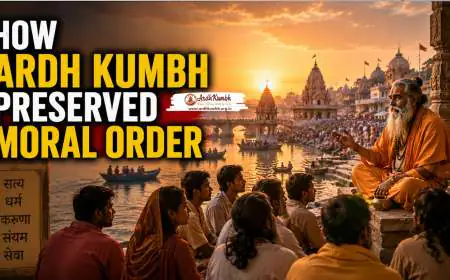
The Kumbh Mela is a temporary world, but the self-restraint it teaches is an eternal, portable treasure. It is the quiet, inner strength that allows you to navigate the chaos of life with grace. It is the shield that protects you from the endless manipulation of a consumer culture that profits from your lack of control. It is the key that unlocks the deepest chambers of your own heart, where the divine light shines, quiet and eternal. Self-restraint is central because it is the very architecture of a liberated life, a life lived not as a slave to passing impulses but as a sovereign soul, walking the path of peace with calm, deliberate, and joyful steps.
Frequently Asked Questions