



































Food & Langars at Ardh Kumbh: Free Meals & Hygiene Guide
Learn about food and langars at Ardh Kumbh Mela, including free meals for pilgrims, hygiene practices, community kitchens, and what pilgrims typically eat.
Food & Langars at Ardh Kumbh Mela: Free Meals, Hygiene & What to Eat
Understanding Food and Langars at Ardh Kumbh Mela
The massive pilgrimage of Ardh Kumbh Mela brings together millions of devotees who travel from different regions to participate in sacred rituals and spiritual gatherings. Amid such a large congregation, one of the most remarkable aspects of the festival is the system of food and langars at Ardh Kumbh Mela, where pilgrims receive meals through community kitchens, religious camps, and charitable organizations.
Food distribution during the pilgrimage reflects the spiritual values of generosity, equality, and service. Many religious groups, temples, and philanthropic organizations organize langars, which are community kitchens that provide free meals to pilgrims regardless of social background or financial status. These services ensure that visitors can focus on spiritual practices without worrying about basic needs such as food.
In addition to free meals, pilgrims can also find a variety of simple vegetarian foods prepared by local vendors and temporary eateries near the festival grounds. Understanding how food and langars at Ardh Kumbh Mela operate helps pilgrims plan their stay, maintain health, and experience one of the most compassionate traditions associated with the pilgrimage.
Want to experience Ardh Kumbh in person?
Get official dates, snan guidelines, Akharas, and travel planning tips in our dedicated event guide.
→ Ardh Kumbh Mela 2027 Complete Guide
Trending Guides Now
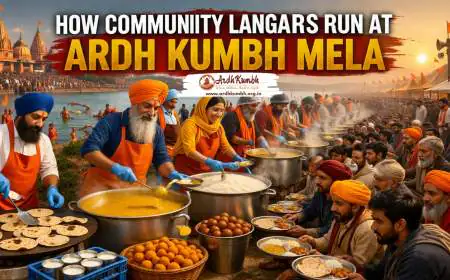
How Community Langars Run at Ardh Kumbh Mela
Read Guide →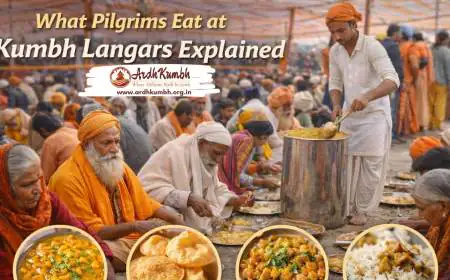
What Pilgrims Eat at Kumbh Langars Explained
Read Guide →
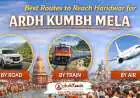
Best Routes to Reach Haridwar for Ardh Kumbh Mela
Read Guide →
Ardh Kumbh 2027 Dates (Official) - Haridwar Snan Schedule
Read Guide →
How Kumbh Keeps India’s Civilizational Memory Alive
Read Guide →
February Weather Reality at Ardh Kumbh
Read Guide →
Essential Rules Every Ardh Kumbh 2027 Pilgrim Must Follow
Read Guide →
When Is the Next Ardh Kumbh Mela in Haridwar?
Read Guide →The Tradition of Langars in Pilgrimage Culture
The concept of langar is deeply rooted in the tradition of religious hospitality in India. It represents the idea that providing food to pilgrims and travelers is a sacred act of service.
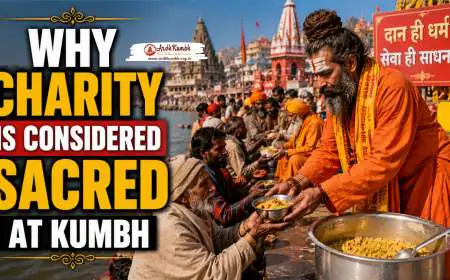
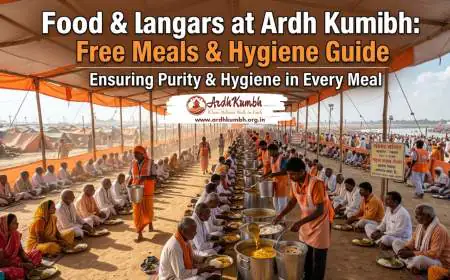
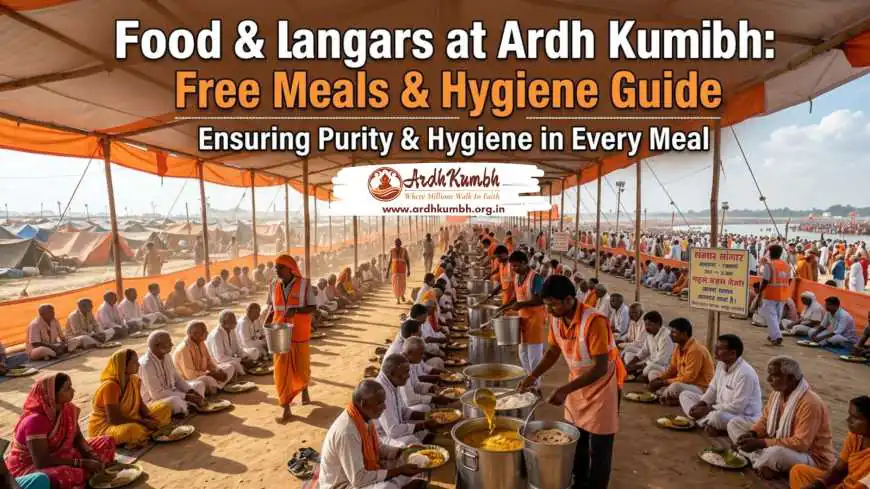
During Ardh Kumbh Mela, many religious organizations establish large-scale community kitchens where volunteers prepare meals throughout the day. These kitchens often serve thousands of pilgrims daily.
The spirit behind langars at Ardh Kumbh Mela is based on equality and compassion. Pilgrims sit together and share the same meal regardless of their background, reinforcing the spiritual values of unity and humility.
For many visitors, participating in a langar meal during Ardh Kumbh becomes one of the most memorable experiences of the pilgrimage.
Free Meals for Pilgrims
One of the most remarkable features of food services at Ardh Kumbh Mela is the availability of free meals.
Religious institutions, spiritual groups, and charitable trusts organize free langar meals for pilgrims across different camps and religious centers.
These meals usually include simple vegetarian dishes that are easy to prepare in large quantities while maintaining nutritional balance. Typical langar meals may include rice, lentils, flatbread, vegetables, and occasionally sweets.
The availability of free meals at Ardh Kumbh Mela ensures that even pilgrims traveling with limited financial resources can participate in the pilgrimage comfortably.
Food Distribution in Sadhu Camps
Many Sadhu camps at Ardh Kumbh Mela also organize food distribution for pilgrims.
Ascetic communities often operate kitchens where volunteers prepare meals for visiting devotees. These meals are usually served as prasad, meaning blessed food offered as part of spiritual service.
Pilgrims visiting these camps may be invited to join communal meals after prayer sessions or spiritual gatherings.
This practice strengthens the connection between pilgrims and ascetic communities while reflecting the spirit of generosity associated with the pilgrimage
.Also Read | Ardh Kumbh 2027 Official Dates (Haridwar)
Types of Food Available at Ardh Kumbh Mela
Pilgrims attending Ardh Kumbh Mela can find a wide variety of vegetarian foods across the festival area.
Because the pilgrimage is rooted in religious traditions, the majority of food served during the event is vegetarian.
Common foods available include rice dishes, lentil curries, vegetable preparations, flatbreads, and traditional snacks. Tea and simple beverages are also widely available.
Street food vendors often operate temporary stalls where pilgrims can purchase quick meals or refreshments.
Despite the variety of options, many pilgrims prefer the simplicity of langar meals at Ardh Kumbh Mela, which align with the spiritual values of the pilgrimage.
Hygiene Practices in Langar Kitchens
Maintaining hygiene in large-scale food distribution is an important responsibility during Ardh Kumbh Mela.
Many organizations operating langars follow strict cleanliness practices when preparing and serving meals. Volunteers ensure that cooking areas remain clean and that food is prepared using fresh ingredients.
Serving areas are often organized in ways that allow pilgrims to receive meals efficiently without overcrowding.
Pilgrims are also encouraged to maintain personal hygiene by washing hands before meals and using designated waste disposal areas.
These practices help ensure that food and langars at Ardh Kumbh Mela remain safe and healthy for visitors.
Community Volunteers and Food Service
The operation of langars at Ardh Kumbh Mela relies heavily on volunteer participation.
Thousands of volunteers contribute their time and effort to cooking, serving, cleaning, and managing food distribution.
Many volunteers consider this service a form of spiritual practice, believing that feeding pilgrims is an act of devotion and compassion.
This culture of volunteerism reflects the broader values of cooperation and generosity that define the pilgrimage environment.
To truly experience the spiritual power of Ardh Kumbh, every devotee should explore Shahi Snan rituals and Akhara traditions, which explain the sacred bathing process, monastic discipline, and ancient customs that shape this holy gathering. This guide helps pilgrims connect deeply with the true essence of the Mela.
Tips for Pilgrims Choosing Food
Although langars and food services at Ardh Kumbh Mela are widely available, pilgrims should approach food choices thoughtfully.
Choosing freshly prepared meals from organized kitchens can help reduce health risks. Drinking clean water and maintaining personal hygiene are also important practices.
Pilgrims who have specific dietary needs may consider carrying basic snacks or packaged food for convenience.
Balancing spiritual participation with practical awareness helps pilgrims maintain their health during the pilgrimage.
Food as a Spiritual Offering
In Hindu spiritual culture, food is often considered a sacred offering rather than simply nourishment.
During Ardh Kumbh Mela, many meals served in langars are prepared with devotional intention. Volunteers often begin cooking with prayers and treat the act of serving food as a form of religious service.
Pilgrims receiving these meals often experience a sense of gratitude and spiritual connection.
This perspective transforms food distribution into a meaningful expression of compassion within the pilgrimage.
When Sharing a Meal Becomes Part of the Pilgrimage
The system of food and langars at Ardh Kumbh Mela illustrates how spiritual traditions can create powerful communities of care and generosity.
Within the vast gathering of pilgrims, community kitchens operate continuously to ensure that everyone has access to nourishment.
Pilgrims sitting together in shared dining spaces, volunteers serving meals with devotion, and the simple act of eating blessed food all contribute to the unique atmosphere of the festival.
In this environment, food becomes more than sustenance. It becomes a symbol of unity, service, and the shared spiritual journey that defines Ardh Kumbh Mela.
Frequently Asked Questions