










































































How to Offer Deep Daan in Haridwar During Ardh Kumbh 2027: Step-by-Step Guide
Complete step-by-step guide to offering Deep Daan in Haridwar during Ardh Kumbh 2027. Learn the ritual procedure, samagri list, costs, best ghats, muhurat and expert tips.

How to Offer Deep Daan in Haridwar During Ardh Kumbh 2027: Step-by-Step Guide
Quick Answer ⚡
To offer Deep Daan in Haridwar during Ardh Kumbh 2027, follow this sequence: take a Ganga snan with sankalp, offer Ganga Pujan, then float a lit ghee or sesame oil diya on a leaf boat at Har Ki Pauri, Brahmakund, Kushavart Ghat, or Birla Ghat. You can do it yourself with a ₹10–₹20 pattal set from ghat-side vendors, or engage a Ganga Teerth Purohit for a formal Maha Deep Daan with mantra chanting, Gotra and Nakshatra sankalp, starting from around ₹51 for a basic diya to ₹3,100+ for a full Maha Deep Daan package. The most auspicious days are the three Amrit Snans — 6 March, 8 March, and 14 April 2027 — and the evening Ganga Aarti hours.
At a Glance 🔎
| Detail | Practical Information |
|---|---|
| What is Deep Daan | Floating a lit diya (clay lamp) on the Ganga as an offering |
| Primary ghats | Har Ki Pauri, Brahmakund, Kushavart Ghat, Birla Ghat |
| Best time of day | Evening Ganga Aarti (around 6:00–7:00 PM) or Brahma muhurat to sunrise |
| DIY cost | ₹10–₹20 per pattal set from ghat vendors |
| Basic pandit-led Deep Daan | From around ₹51–₹351 for a simple diya offering |
| Full Maha Deep Daan package | Approximately ₹1,100–₹3,100+ depending on samagri and dakshina |
| Amrit Snan dates 2027 | 6 March, 8 March, 14 April |
| Mela duration | 14 January – 20 April 2027 |
| Best for ancestors | Pitru Paksha, Amavasya, and Maha Shivaratri |
| Online booking | Available through Haridwar puja platforms; verify credentials |
What Is Deep Daan and Why Does It Matter at Ardh Kumbh 2027?
Deep Daan — also written Deepdaan or Deep Daan — is the ritual offering of a lit clay lamp (diya) to Maa Ganga. The word combines deep (lamp) and daan (the sacred act of giving without expectation). It is one of the defining rituals of the Kumbh Mela, and in Haridwar, it carries particular weight because the city is traditionally called the Gateway to Moksha.
The Spiritual Meaning Behind the Lamp
Hindu tradition holds that the diya symbolises the triumph of light over darkness and knowledge over ignorance. Floating a lamp on the Ganga is understood as an act of gratitude, surrender, and prayer. It is also believed to bring punya (spiritual merit), peace to departed souls, and positive energy to the family.
Trending Guides Now
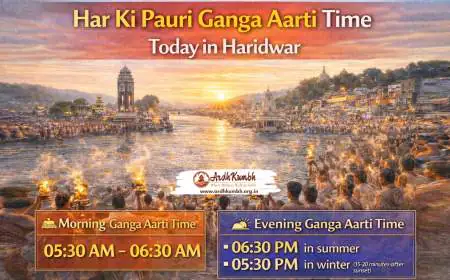
Har Ki Pauri Ganga Aarti Time Today in Haridwar
Read Guide →
Ardh Kumbh Mela Rituals Explained Shahi Snan & Akhara Traditions
Read Guide →
Why Order and Cleanliness Are Strictly Enforced
Read Guide →
Daily Spiritual Practices Only Seen at Ardh Kumbh
Read Guide →
Ardh Kumbh 2027 Dates (Official) - Haridwar Snan Schedule
Read Guide →
Dharamshala Stay During Ardh Kumbh: Free & Budget Guide
Read Guide →
Official Progress Report of Haridwar Ardh Kumbh 2027 Infrastructure Projects
Read Guide →
Where to Find 24-Hour Pharmacies in Haridwar During Ardh Kumbh 2027 Emergencies
Read Guide →| Dimension | Meaning |
|---|---|
| Symbolic | Light dispels darkness; the flame represents the soul |
| Devotional | An offering of love to Maa Ganga |
| Ancestral | Remembrance and peace for departed ancestors |
| Karmic | A selfless act that purifies the giver’s heart |
| Communal | Thousands of lamps together create a spectacle of collective faith |
Expert Tip 💡: Deep Daan is not a substitute for Pind Daan or Shraddh. If your primary intention is ancestral rites, the traditional location is Kushavart Ghat in Kankhal, and the ceremony is longer and more formal. Deep Daan can be offered alongside or after those rites.
Why Haridwar Is Special for Deep Daan
Haridwar is where the Ganga leaves the Himalayas and enters the plains for the first time. Tradition calls it Hari Ka Dwar — the door of Lord Vishnu. The Matsya Purana is cited in popular tradition as saying that offering a diya in the Ganga at Haridwar brings divine blessings and supports the soul’s journey toward freedom from the cycle of birth and death.
Har Ki Pauri is believed to be blessed by the presence of Lord Vishnu, and the Brahmakund within it is the spot where drops of Amrit are said to have fallen during the Samudra Manthan. Offering Deep Daan here during Ardh Kumbh 2027 is considered especially powerful because the time (muhurta), place (tirtha), and intention (bhava) converge.
Local Insight 📍: Long-time Haridwar residents say that the Brahmakund is not just a bathing spot but a living altar. Even when the ghats are packed, a quiet moment with a single diya at Brahmakund carries more weight than a grand offering made in a hurry.
Step-by-Step Procedure to Offer Deep Daan
There is no single mandatory vidhi for Deep Daan. A simple offering can be made in minutes, while a formal Maha Deep Daan follows a structured ritual. Below is the complete sequence, from preparation to conclusion.
Step 1: Choose Your Ghat and Day
Your choice of ghat shapes the experience.
| Ghat | Best For | Crowd Level |
|---|---|---|
| Har Ki Pauri / Brahmakund | Most sacred, iconic experience | Very High on Snan days |
| Kushavart Ghat, Kankhal | Ancestral rituals, Pind Daan | Moderate |
| Birla Ghat | Cleaner, safer, family-friendly | Moderate |
| Gau Ghat, Vishnu Ghat | Quieter, traditional | Low to moderate |
For dates, prioritise the Amrit Snans if you can handle crowds. If not, any Snan day or even a regular day during the Mela period carries merit.
Step 2: Take a Ganga Snan with Sankalp
The traditional sequence is snan first, daan after.
-
Bathe in the Ganga at your chosen ghat.
-
Before or immediately after the dip, take a sankalp — a short statement of intention. A pandit recites the place, date by Hindu calendar, your Gotra, and the purpose of the ritual, and you repeat after him with water, flowers, and rice in your hand.
-
If you are performing Deep Daan for a specific intention — ancestral peace, gratitude, a birthday, or a new beginning — state it mentally during the sankalp.
Expert Advice ✨: You do not need a pandit for a simple Deep Daan, but a sankalp made with focus and sincerity transforms the act from a gesture into a ritual.
Step 3: Offer Ganga Pujan
After the snan, offer a short Ganga Pujan:
-
Water (Ganga jal) as arghya.
-
Flowers.
-
A diya.
-
Naivedya (a simple sweet or fruit).
This is a brief offering of respect to the river before the Deep Daan itself.
Step 4: Prepare the Deep Daan Samagri
You have two routes: DIY or pandit-led.
DIY Samagri (Available at Ghat-Side Vendors)
| Item | Purpose | Approximate Cost |
|---|---|---|
| Clay diya | The lamp itself | ₹5–₹20 each |
| Ghee or sesame oil | Fuel for the flame | Included in pattal sets |
| Cotton wick | To light the diya | Included |
| Leaf boat (pattal / dona) | Floats the diya and flowers | ₹10–₹20 per set |
| Flowers | Decorative offering | ₹20–₹50 |
| Matchbox or lighter | To ignite the lamp | Carry your own |
Pandit-Led Maha Deep Daan Samagri
A formal Maha Deep Daan typically includes multiple diyas, ghee, sesame oil, flowers, fruits, incense, coconut, and samagri for the sankalp. The pandit supplies these, and the package usually includes dakshina.
Step 5: Light the Diya and Float It
-
Light the wick with ghee or sesame oil. Avoid synthetic wax.
-
Place the diya on the leaf boat with flowers.
-
Hold the boat at the water’s edge and offer a short prayer or mantra.
-
Release the boat gently at a point where the current carries it away from the steps — not into the crowd of bathers.
-
Watch it float for a few moments before moving away.
Pro Tip 🧭: Do not throw the diya or push it forcefully. A gentle release respects the river and avoids splashing nearby pilgrims. If the ghat is crowded, wait for a gap in the bathers before releasing.
Step 6: Chant Mantras or Offer a Silent Prayer
There is no single mandatory mantra for Deep Daan. Common practices include:
-
“Om Jai Gange Mata” or other Ganga stotras.
-
A personal prayer in your own words.
-
Gayatri Mantra.
-
A sankalp naming your Gotra and intention, if you are with a pandit.
Expert Tip 💡: If you are performing Deep Daan for a departed parent or ancestor, a silent smriti (remembrance) with a specific memory is often more meaningful than a long ritual.
Step 7: Conclude with Dakshina and Prasad
-
If a pandit guided the ritual, offer dakshina according to your capacity and the agreed package.
-
Accept prasad if it is offered.
-
Do not leave flowers, plastic, or packaging at the ghat. Carry your waste to a bin.
Deep Daan Costs: What to Expect in Haridwar
Costs vary widely depending on whether you do it yourself or engage a pandit. Published examples from Haridwar puja providers suggest the following ranges. Treat these as indicators, not fixed prices — rates can change during Ardh Kumbh 2027.
| Service Level | Approximate Cost | What It Includes |
|---|---|---|
| DIY pattal set | ₹10–₹20 | One diya, wick, oil, leaf boat, few flowers |
| Basic pandit-led diya | ₹51–₹151 | Simple Deep Daan with sankalp |
| Larger diya offering | ₹351 | Bigger lamp with Gotra and name recitation |
| 108 Deep Daan package | ₹2,100 | Multiple lamps, formal Ganga Pujan |
| Maha Deep Daan | ₹3,100 | Multi-diya ritual, Teerth Purohit, video call sankalp |
| Premium ancestral package | ₹1,100–₹11,000+ | Deep Daan with Pind Daan, Brahmin Bhoj, and related rites |
Local Insight 📍: Ghat-side vendors quote ₹10–₹20 for a basic pattal set, but prices can rise on Snan days. Buy your samagri the evening before if you plan an early-morning Deep Daan.
Best Places to Offer Deep Daan in Haridwar
Har Ki Pauri and Brahmakund
Har Ki Pauri is the most iconic and spiritually charged location. The Brahmakund within it is the holiest point. Expect crowds, but the experience is unparalleled.
-
Best for: First-time pilgrims, iconic photographs, Ganga Aarti combined with Deep Daan.
-
Caution: Very crowded on Amrit Snan days. Arrive early and keep valuables secure.
Kushavart Ghat, Kankhal
Kushavart Ghat is the traditional site for Pind Daan and Shraddh. If your Deep Daan is connected to ancestral remembrance, this is the most appropriate ghat.
-
Best for: Pitru Paksha, Amavasya, and rites for departed parents.
-
Local Note: Kankhal is also home to the Daksheshwar Mahadev temple.
Birla Ghat
Birla Ghat is known for being cleaner and safer, with a more family-friendly atmosphere. It is a good option for elderly pilgrims and children.
-
Best for: Families, quiet reflection, and a less crowded experience.
Other Ghats
Gau Ghat, Vishnu Ghat, and Saptarishi Ashram are also traditional locations for Deep Daan and related rituals. They are quieter than Har Ki Pauri but less iconic.
Expert Advice ✨: If you want the Har Ki Pauri experience without the crush, visit on a non-Snan day during the Mela period. The Ganga Aarti still takes place, and Deep Daan is just as meaningful.
Best Days and Muhurat for Deep Daan During Ardh Kumbh 2027
The Ardh Kumbh 2027 runs from 14 January to 20 April 2027. The three Amrit Snans are the most auspicious days for Deep Daan.
| Date | Occasion | Snan Type |
|---|---|---|
| 14 January 2027 | Makar Sankranti | Snan |
| 6 February 2027 | Mauni Amavasya | Snan |
| 11 February 2027 | Basant Panchami | Snan |
| 20 February 2027 | Magh Purnima | Snan |
| 6 March 2027 | Maha Shivaratri | Amrit Snan |
| 8 March 2027 | Phalguna Amavasya (Somvati) | Amrit Snan |
| 7 April 2027 | Nav Samvatsar | Snan |
| 14 April 2027 | Mesha Sankranti / Baisakhi | Amrit Snan |
| 15 April 2027 | Ram Navami | Snan |
| 20 April 2027 | Chaitra Purnima | Snan |
Note: Some sources list four Amrit Snans in 2027 — 6 March, 8 March, 14 April, and 20 April (Chaitra Purnima). The Mela administration’s announcements should be treated as final for planning purposes.
Muhurat Considerations
-
Evening Ganga Aarti is the most popular Deep Daan window. Timings are approximately 6:00–7:00 PM in summer and 5:30–6:30 PM in winter.
-
Brahma muhurat to sunrise (roughly 5:00–6:50 AM) is considered highly auspicious for snan and daan.
-
Amavasya and Purnima are traditionally strong for Deep Daan, especially for ancestral intentions.
Pro Tip 🧭: If you want a specific muhurat for a formal Maha Deep Daan, share your Gotra and Nakshatra with your Teerth Purohit in advance. They will calculate an auspicious time.
Doing Deep Daan Yourself vs Booking a Pandit
| Factor | DIY Deep Daan | Pandit-Led Maha Deep Daan |
|---|---|---|
| Cost | ₹10–₹50 | ₹51–₹3,100+ |
| Time | 5–15 minutes | 30–90 minutes |
| Sankalp with Gotra | Optional; you can state it mentally | Formal sankalp with Gotra and Nakshatra |
| Mantras | You chant or pray silently | Vedic mantras recited by the purohit |
| Ideal for | Solo pilgrims, spontaneous offerings | Families, ancestral rites, specific intentions |
| Booking | Walk to any ghat vendor | Advance booking through a Haridwar puja platform or local purohit |
Expert Tip 💡: A pandit-led Deep Daan is not mandatory. The scriptures emphasise bhava (intention) over vidhi (procedure). A single diya offered with a full heart is complete in itself.
Booking Deep Daan Online: What to Know
Several platforms offer online Deep Daan booking at Har Ki Pauri and other Haridwar ghats. The typical process is:
-
Choose the offering and provide your name, Gotra, and Nakshatra.
-
A Ganga Teerth Purohit performs the sankalp and Deep Daan on your behalf.
-
You receive photos or video of the ritual.
Costs range from around ₹101 for a basic lamp sponsorship to ₹3,100+ for a Maha Deep Daan package.
Expert Advice ✨: Verify the platform’s credentials and read the terms carefully. Ask whether the dakshina is included, whether you will receive proof of the ritual, and whether the samagri is sourced locally. If possible, choose a platform that connects you with a named Haridwar purohit rather than an anonymous service.
Practical Tips for a Smooth Deep Daan Experience
-
Arrive early. The ghats fill up quickly on Snan days, especially before the evening Aarti.
-
Wear footwear you can remove easily. Ghat steps are often wet and crowded.
-
Carry a small bag only. Large luggage is impractical and may be restricted on Amrit Snan days.
-
Keep valuables secure. Use a money belt or inner pocket; avoid loose phones and wallets.
-
Do not release plastic or non-biodegradable items. Use leaf boats and clay diyas only.
-
Respect the bathers. Do not release your diya into the path of someone taking a dip.
-
Carry drinking water and ORS if you are visiting during March–April heat.
-
Save emergency numbers: 108 (ambulance) and 112 (unified emergency).
-
Confirm timings and costs with your pandit or vendor before the ritual.
-
Photograph the experience respectfully — avoid flash near aarti and do not obstruct others.
Local Insight 📍: The Moti Bazar lane between Upper Road and Har Ki Pauri is the best place to buy Deep Daan samagri at reasonable prices. Vendors near the ghat charge a premium for convenience.
Deep Daan and Ancestral Rites: What to Know
Deep Daan is often performed alongside Pind Daan, Tarpan, and Shraddh for ancestors. The Kushavart Ghat in Kankhal is the primary site for these rites in Haridwar.
| Ritual | Purpose | Typical Duration |
|---|---|---|
| Deep Daan | Lamp offering; peace and merit | 5–30 minutes |
| Pind Daan | Rice-ball offering to ancestors | 1–2 hours |
| Tarpan | Water offering with sesame and kusha grass | Part of Pind Daan |
| Shraddh | Wider ancestral ceremony including both | 1–2 hours |
Expert Tip 💡: If your Deep Daan is specifically for a departed parent, perform it during Pitru Paksha or on Amavasya if possible. The 6 March Maha Shivaratri Amrit Snan is also considered powerful for ancestral peace.
Frequently Asked Questions