





























































Why Many Pilgrims Observe Silence at Kumbh
Discover why pilgrims observe silence at Kumbh, its spiritual meaning, Maun Vrat benefits, and how it enhances inner peace and devotion.

Why Many Pilgrims Observe Silence at Kumbh
In the vast spiritual landscape of Kumbh Mela, where millions gather in devotion, something deeply powerful unfolds quietly. Amid chants, rituals, and human movement, many pilgrims choose to withdraw from speech and embrace Maun Vrat, or sacred silence. This choice is not accidental or symbolic alone. It is a deliberate spiritual strategy to turn inward.
Silence at Kumbh is about reducing noise not just outside, but inside. When speech stops, the mind begins to slow down. Pilgrims experience a rare clarity that is difficult to achieve in daily life. This is why silence at kumbh is considered one of the most effective ways to deepen spiritual awareness.
The Deep Spiritual Meaning of Silence in Sanatan Dharma
In Sanatan Dharma, silence has always been seen as a doorway to truth. Ancient sages did not rely on constant speech. Instead, they used silence to observe, understand, and ultimately transcend the mind.
The concept of maun vrat kumbh is rooted in this ancient wisdom. Silence is not emptiness. It is fullness without distraction. It allows a person to hear what is usually drowned out by constant thinking and talking.
Trending Guides Now

Strict Rules Pilgrims Follow at Ardh Kumbh
Read Guide →
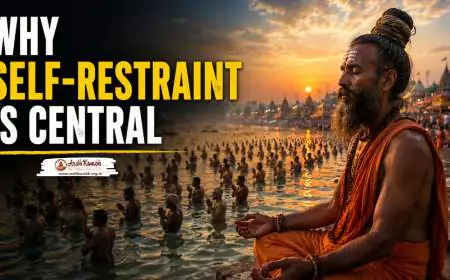
What Self-Restraint Really Means at Kumbh
Read Guide →
Why Listening Is Valued More Than Speaking at Kumbh
Read Guide →
Why Saints Enter the River Before Sunrise at Kumbh
Read Guide →
Best Routes to Reach Haridwar for Ardh Kumbh Mela
Read Guide →
Ardh Kumbh 2027 Dates (Official) - Haridwar Snan Schedule
Read Guide →
How Ardh Kumbh Stayed Relevant Over Centuries
Read Guide →
Why Early Mornings Are Sacred
Read Guide →When pilgrims adopt silence, they align with a tradition that values awareness over expression. This makes kumbh spiritual practices far more impactful.
What is Maun Vrat and Why Pilgrims Follow It
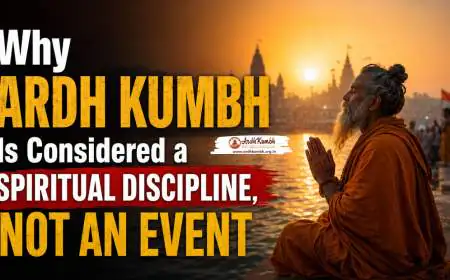
Maun Vrat is a disciplined vow where a person consciously refrains from speaking. At Kumbh, this can last from a few hours to several days or even the entire duration of the pilgrimage.
Pilgrims follow this practice because:
- It reduces unnecessary energy loss
- It increases mental clarity
- It enhances spiritual focus
- It supports meditation
Through maun vrat benefits, individuals create a controlled inner environment where growth becomes possible.
Silence as Inner Cleansing Beyond Ritual Bathing
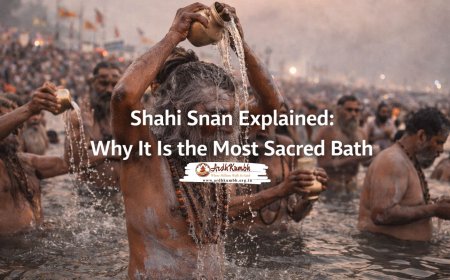
Kumbh is famous for holy dips, but silence plays an equally important role in purification.
While water cleanses the body, spiritual silence benefits cleanse the mind. Thoughts, worries, and emotional clutter begin to settle when speech is reduced.
This creates a deeper layer of purification known as internal cleansing. It is this inner clarity that transforms a ritual into a real spiritual experience.
The Science of Silence and the Human Mind
Modern science supports what ancient traditions already knew. Silence has measurable effects on the brain.
Studies show that silence can:
- Lower stress levels
- Improve concentration
- Enhance memory
- Promote emotional stability
This aligns perfectly with silent fasting kumbh, where silence becomes both a spiritual and psychological tool.
Energy Conservation Through Silence
In yogic philosophy, speech consumes energy. Every conversation uses mental and physical resources.
By practicing kumbh spiritual discipline, pilgrims conserve this energy and redirect it toward awareness and meditation.
This conserved energy leads to:
- Better focus
- Increased awareness
- Stronger willpower
Silence becomes a way of storing and using energy wisely.
Silence and Meditation: A Powerful Combination
Silence naturally enhances meditation. At Kumbh, many pilgrims combine kumbh meditation practice with silence for deeper results.
Without speaking, the mind becomes less scattered. This allows:
- Better mantra repetition
- Deeper breathing awareness
- Longer focus duration
Silence turns the entire Kumbh journey into a continuous meditation experience.
Experiencing Kumbh Differently Through Silence
Most people experience Kumbh externally through rituals and interactions. Silent pilgrims experience it internally.
Through silence pilgrimage india, every sound, sight, and moment is observed more deeply. The experience becomes more intense and meaningful.
Instead of reacting, they observe. Instead of speaking, they absorb.
Emotional Healing Through Silence
Many people carry emotional stress without realizing it. Silence creates space for these emotions to surface and release.
During kumbh inner transformation, pilgrims often experience:
- Emotional clarity
- Reduced anxiety
- Mental calmness
- A sense of lightness
Silence acts like a mirror, reflecting what is inside and allowing healing to begin.
Silence as Devotion Without Words
Devotion does not always require expression. Sometimes, the deepest form of devotion is silent presence.
In sacred silence hinduism, silence itself becomes prayer. Pilgrims connect with the divine without speaking, chanting, or asking.
This creates a more intimate spiritual connection that goes beyond words.
Detachment from Social Noise
Kumbh is also a social gathering, but silence allows pilgrims to detach from unnecessary interaction.
Through kumbh sadhana practice, they shift focus from external conversations to internal awareness.
This detachment helps in:
- Avoiding distractions
- Maintaining focus
- Deepening spiritual practice
Silence in the Midst of Chaos
Maintaining silence in a gathering of millions is not easy. That is exactly what makes it powerful.
The contrast between external noise and internal silence strengthens awareness. It trains the mind to remain calm regardless of surroundings.
This is one of the most unique aspects of kumbh silence meaning.
Common Ways Pilgrims Practice Silence
Silence is practiced in different ways depending on individual capacity.
Some follow complete silence, while others:
- Speak only when necessary
- Use gestures
- Write instead of speaking
- Practice silent meditation
These methods make kumbh religious observance flexible and accessible.
Misconceptions About Silence at Kumbh
Many people think silence means isolation or inactivity. This is not true.
Pilgrims observing silence at kumbh still participate in rituals, attend discourses, and engage with the environment.
The difference is internal, not external. They are fully present but inwardly focused.
Transformational Power of Silence
Silence has a deep transformative effect on individuals.
Pilgrims often return with:
- Greater clarity
- Stronger discipline
- Inner peace
- Spiritual confidence
This is why kumbh meditation importance is often linked with silence.
Silence as a Lifelong Practice
For many, silence does not end with Kumbh. It becomes a part of daily life.
They begin practicing silence during:
- Meditation
- Fasting days
- Spiritual retreats
This ensures that the benefits of silence and spirituality india continue beyond the pilgrimage.
The Inner Journey Beyond Words
Silence shifts the journey from external to internal. It removes distractions and reveals deeper layers of awareness.
In that quiet space, pilgrims discover something profound: clarity does not come from speaking more, but from observing more.
When Silence Becomes the Real Pilgrimage
At Kumbh, millions travel physically, but those who embrace silence travel inward.
They realize that the real pilgrimage is not just about reaching a place, but about reaching a state of awareness.
Silence becomes the path, the practice, and the destination all at once.
Frequently Asked Questions