











































































Cultural Impact of Ardh Kumbh Across Regions
Discover the cultural impact of Ardh Kumbh across regions of India. Learn how this rotating pilgrimage shapes local traditions, languages, arts, and economies, weaving a shared spiritual identity from the Himalayas to the Deccan.

The Sacred Sites as Cultural Anchors 🌐
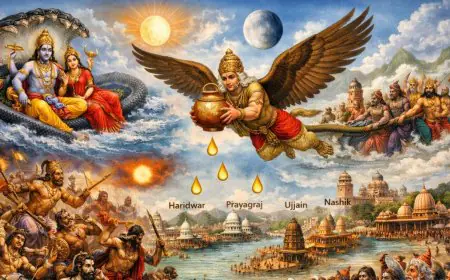
The four sites of the Ardh Kumbh and the larger Kumbh cycle are not just geographical coordinates; they are profound cultural anchors that have shaped the identity of entire regions. Prayagraj, the king of pilgrimage places, sits at the confluence of the Ganga and Yamuna in the vast Gangetic plain. Its culture is one of grand intellectual and spiritual synthesis. The presence of the Sangam has made the region a center for Vedic scholarship, philosophical debate, and the preservation of Sanskrit. The pandas of Prayagraj, with their ancient genealogical vahis, have created a unique culture of ancestral memory, linking families from across India to this central point. The local language, Hindi and its Awadhi influences, is the lingua franca, but the Mela fills the air with dozens of dialects as pilgrims pour in, making it a temporary Babel of devotion.
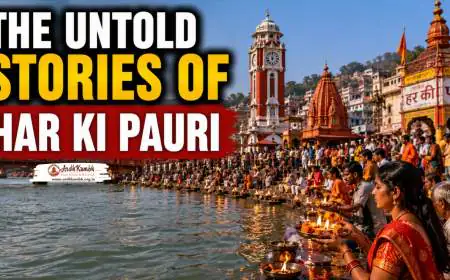
Haridwar, the gateway to the gods, has a culture deeply influenced by the Himalayas. Here, the Ganga is not the slow, wide river of the plains but a rushing, powerful force fresh from the mountains. The local culture is infused with the presence of Shaiva asceticism; the air is thick with the chanting of "Har Har Mahadev." The cuisine is simple, sattvic, and often cooked over wood fires. The art of Haridwar is the art of the ghats themselves, the brass and copper puja vessels, the vibrant garlands of marigold. The evening Ganga Aarti at Har Ki Pauri is a cultural masterpiece, a choreographed offering of fire and sound that has become the visual signature of the region.
Moving to the heart of the country, Ujjain on the Shipra River is a city saturated with the presence of Mahakal, the Lord of Time. The cultural impact here is inseparable from the deep, mystical traditions of Shaivism, astronomy, and tantra. Ujjain was a prime meridian for ancient Indian astronomy, and the Kumbh here carries a profound scientific and mathematical undercurrent. The local language is Malwi, the folk music is rich with the poetry of the Bhakti saints of the region, and the art reflects the grandeur of the Parmara dynasty that once made this a great center of learning and temple building.
In the west, Nashik on the Godavari anchors the Kumbh in the Deccan. Its culture is inextricably linked to the Ramayana, as it is believed to be where Rama, Sita, and Lakshmana spent part of their exile. The pilgrimage here is deeply devotional, woven into the fabric of Maharashtrian culture. The Godavari is the "Dakshin Ganga," and her worship brings a distinctly southern flavor to the Kumbh. The cuisine of Nashik—the simple, spicy, and nourishing foods of the Deccan plateau—and the local traditions of Marathi bhajans, folk theater, and the Warkari pilgrimage tradition all enrich the Kumbh with a powerful regional identity.
Trending Guides Now
What Is the Story Behind the Ardh Kumbh Mela?
Read Guide →
History of Ardh Kumbh Mela From Samudra Manthan to Modern Times
Read Guide →
Historical Records of Ardh Kumbh Gatherings
Read Guide →
How Ardh Kumbh Quietly Strengthened Faith Networks
Read Guide →
Ardh Kumbh 2027 Dates (Official) - Haridwar Snan Schedule
Read Guide →
Dharamshala Stay During Ardh Kumbh: Free & Budget Guide
Read Guide →
Official Progress Report of Haridwar Ardh Kumbh 2027 Infrastructure Projects
Read Guide →
Where to Find 24-Hour Pharmacies in Haridwar During Ardh Kumbh 2027 Emergencies
Read Guide →Linguistic Confluence: The Market of Words 🗣️
One of the most immediate and palpable cultural impacts of the Ardh Kumbh across regions is the massive, temporary linguistic exchange that it facilitates. Walk through the Mela grounds, and you hear a living map of Indian languages: Hindi, Marathi, Gujarati, Bengali, Tamil, Telugu, Kannada, Punjabi, and dozens of local dialects, all mingling in the air. The Kumbh is not a place where a single language dominates. It is a market of words. A tea vendor in Ujjain learns a few words of Bengali to greet a pilgrim from Kolkata. A sadhu from the south teaches a mantra in Tamil to a farmer from Madhya Pradesh. The pandas, the hereditary priests, have been the traditional interpreters, often speaking multiple languages to serve their diverse pilgrim families. This cross-pollination of language is subtle but profound. Words, idioms, and phrases get carried back home, enriching regional vocabularies. The Kumbh is a powerful force against linguistic isolation, a recurring reminder that India's many tongues are branches of a single, ancient tree.
The bhajans and kirtans that fill the Mela are a particularly powerful linguistic bridge. The poetry of the Bhakti saints—Kabir's rustic Hindi, Mirabai's Rajasthani, Chaitanya's Bengali, and Tukaram's Marathi—is sung across regions. A pilgrim who does not understand a word of the local language can still be moved to tears by the melody and the devotion of a song. This shared musical vocabulary, learned at the Kumbh, creates a pan-Indian devotional language that transcends regional barriers. The Kumbh is where a Gujarati learns a Marathi abhang, and a Tamilian picks up a Kabir doha. This linguistic generosity is a quiet but persistent force for cultural unity.
The Living Arts: Craft, Performance, and Regional Identity 🎭
The Ardh Kumbh has, for centuries, been a massive patron of the arts, and its influence has cascaded down through the regional artisanal and performing traditions of India. Before the age of mass-produced goods, the demand created by the Mela—for brass and copper puja vessels, clay diyas, rudraksha malas, handloom cloth, and intricate wood carvings for akhara camps—provided a crucial economic lifeline for hereditary artisan communities. The Kumbh at Ujjain would draw potters and metalworkers from across the Malwa region, showcasing their distinctive styles. The Kumbh at Haridwar would feature the intricate brasswork of the Himalayan foothills. This created a cycle where regional crafts were both sustained and innovated upon, as artisans from different areas saw and borrowed from each other's work.
The performing arts also received a tremendous boost. Folk theater troupes performing the Ramlila or tales of Shiva, wandering bards reciting Puranic stories, and musicians of the Dhrupad and Khyal traditions all converged here. The Kumbh was their biggest stage, a place where they could find a vast, receptive audience and earn patronage. The unique folk dances of a region—for instance, the Lavani of Maharashtra near the Nashik Kumbh or the energetic folk dances of the Himalayan region near Haridwar—would be witnessed by pilgrims from a thousand miles away. This exposure ensured the survival and cross-regional appreciation of art forms that might otherwise have remained confined to their local villages. The cultural impact was a beautiful, continuous cycle of preservation and exchange, with the Kumbh acting as the great, rotating national festival of the arts.
The Pilgrim's Plate: How Regional Cuisines Travel and Transform 🍚
Food is one of the most intimate and powerful expressions of culture, and the Ardh Kumbh is a vast, temporary laboratory of culinary exchange. While the tradition of annadanam (the offering of food) ensures that the primary food served in the bhandaras is simple, sattvic, and largely similar—dal, rice, roti, and a seasonal vegetable—the food stalls and the informal economy around the Mela offer a dizzying array of regional flavors. The Kumbh at Prayagraj will feature the creamy kachoris of the Gangetic plain, while the Kumbh at Nashik will be filled with the spicy, peanut-infused flavors of Maharashtrian street food: vada pav, misal pav, and sabudana khichdi.
This culinary cross-pollination has a lasting impact. A pilgrim who travels from the north to the Nashik Kumbh might return home with a newfound love for a simple poha or the fiery chutney of the Deccan. Recipes travel. Ingredients are introduced to new regions. The massive demand for specific items—like the sweet, dense pedas of Ujjain or the millet-based rotis of the central plains—sustains local farming and food processing traditions. The bhandaras themselves, while simple, are a great equalizer, teaching millions of pilgrims from diverse food cultures to appreciate a shared, sacred meal. This shared experience of eating the same simple prasad, sitting on the same earth, creates a profound cultural bond. The cultural impact of the Kumbh on the nation's palate is a story of both the preservation of treasured regional specialties and the quiet, joyful mixing of culinary traditions at the grassroots level.
The Akhara Network: Monastic Ambassadors of Regional Culture 🔱
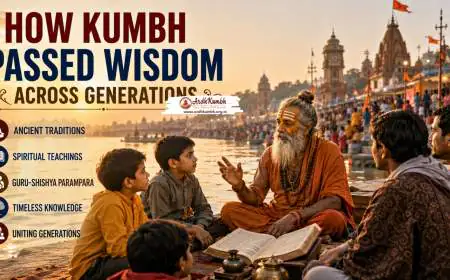
The great akhara orders, with their vast networks of monasteries spread across the subcontinent, function as permanent, mobile channels of cultural exchange. A young sadhu initiated into the Juna Akhara at the Nasik Kumbh may spend the next six years at an ashram in the Himalayas, learning the specific practices, the local dialect, and the folk stories of that region. When he travels with his akhara to the next Kumbh at Ujjain, he carries that Himalayan culture with him. The sadhus are not just spiritual seekers; they are living repositories of regional knowledge. They carry the songs, the medicinal herbs, the yogic variations, and the oral histories of the places where they have lived and trained.
The akhara camps at the Kumbh are vibrant microcosms of this cultural transport. A disciple from Bengal, initiated in the north, may be serving in a camp where the dominant language is Malwi. The conversations around the dhuni fires, the informal teachings, and the shared work of running the camp are a continuous process of cultural diffusion. The akharas also preserve and promote specific regional styles of physical culture. The traditional wrestling (kushti) of the Hindi heartland is practiced and displayed at the Kumbh, inspiring young men from the south or west. In this way, the akharas have historically been one of the most effective forces for a decentralized, pan-Indian cultural identity, their sadhus serving as mobile ambassadors, carrying the unique fragrance of each region to every corner of the sacred map.
The Economic Engine That Sustains Regional Heritage 💰
The cultural impact of the Ardh Kumbh is inextricably linked to its economic power. The massive influx of millions of pilgrims creates a temporary but intense demand that sustains an entire ecosystem of local culture. The flower-sellers of Ujjain, the boatmen of Prayagraj, the weavers of the Himalayan foothills, the potters of the Godavari basin—for all of them, the Kumbh is not just a sacred event but a crucial economic anchor that has kept their family traditions alive for centuries. A potter who sells his handmade clay diyas at the Kumbh is not just earning a living; he is passing his craft to the next generation, a craft that is an integral part of the region's cultural identity.
The demand for specific, regionally sacred items—like the rudraksha malas from the Himalayas, the Shriphal (coconut) offerings from the Konkan coast, or the unique, fragrant incense made from local flowers in Ujjain—creates specialized trade routes. These items become economically viable because of the guaranteed, massive market of the pilgrimage. The Kumbh also provides a platform for smaller, local musical and theatrical troupes to perform for a large audience, earning enough to sustain their art for the rest of the cycle. In a world of mass-produced, homogenized culture, the Kumbh acts as a powerful counterforce, a recurring economic pulse that specifically sustains the unique, diverse, and deeply local cultural expressions of India.
The Pilgrimage Routes: Arteries of a Shared Civilization 🚶
The cultural impact of the Ardh Kumbh was never confined to the Mela grounds alone. It radiated outward along the vast network of pilgrimage routes that crisscross the subcontinent. For centuries, pilgrims did not fly or take a train; they walked, often for months, in massive caravans. These routes became cultural corridors. The villages along the way to Prayagraj, Haridwar, Ujjain, and Nashik became hosts, their local cultures enriched and transformed by the annual or cyclical passage of millions. The dharamshalas built by wealthy merchants were not just shelters; they became centers of cultural exchange where travelers from different regions shared food, songs, and stories with the local inhabitants.
The kafila, the pilgrim caravan, was a mobile cultural unit. Within it, the rigid social boundaries of village life were relaxed, and a temporary, egalitarian community emerged. The shared hardship of the journey, the shared singing in the evenings, and the shared goal of reaching the sacred river created deep bonds. A folk song from a village in Rajasthan, sung by a group of women walking to the Kumbh, might be overheard and adopted by a family from Gujarat traveling alongside them. The pilgrimage routes were the capillaries through which the cultural lifeblood of the Kumbh was circulated to the remotest corners of the land. The cultural impact was thus both centripetal—drawing diverse cultures to a single sacred point—and centrifugal, radiating the energy and ideas of that point back out across the entire subcontinent.
The Weaving of a Shared Cultural Soul
The tents are folded, the pontoon bridges dismantled, and the millions of pilgrims depart, carrying the river's grace in their hearts and the dust of the Mela on their feet. But the cultural impact of Ardh Kumbh across regions does not end with the closing ceremony. It continues to live and breathe in the lullabies a mother in Bengal sings, which she learned from a wandering sadhu at the Prayagraj Kumbh. It lives in the Malwi folk tune a street musician in Tamil Nadu now hums. It lives in the taste of a Maharashtrian poha that a family in Varanasi now craves every Sunday morning. It lives in the kaleidoscope of languages, arts, crafts, and cuisines that the Kumbh, cycle after cycle, has preserved, refined, and woven into the collective consciousness of a civilization.
The Ardh Kumbh is a powerful reminder that Indian culture is not a monolith but a magnificent symphony, a living tradition that has always been enriched by the dynamic interplay of its diverse regions. It is the recurring celebration of the truth that unity and diversity are not opposing forces; they are the twin poles of a single, sacred reality. The pilgrimage does not erase regional identities; it honors and amplifies them, while binding them together into a single, luminous, and eternal story—the story of a people united not by force but by an ancient, shared, and endlessly creative love for the divine.
Frequently Asked Questions