







































































Average Daily Travel Expenses in Haridwar: Food, Stay and Transport
Complete breakdown of average daily travel expenses in Haridwar for food, stay and transport. Budget, mid-range, and luxury options for pilgrims and tourists.
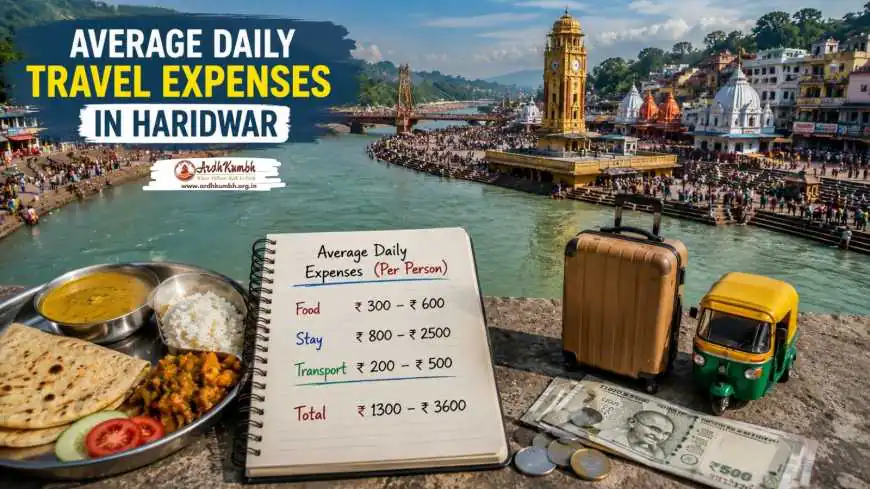
What’s the Real Average Daily Travel Expenses in Haridwar for 2026? Let’s Crunch the Numbers 🧮
So you’re planning a trip to the spiritual heart of Uttarakhand and wondering – how much does a day in Haridwar actually cost? Let me give it to you straight.
For a mid-range traveler, the average daily travel expenses in Haridwar hover around ₹6,000–₹7,000 per person for a comfortable stay with good meals and local sightseeing. If you’re a backpacker, you can easily get by on ₹2,500–₹3,500 a day. And if luxury is your language, expect to spend ₹10,000–₹15,000+ per day.
But here’s the thing – these numbers aren’t set in stone. Your actual Haridwar daily budget depends entirely on your travel style, the season you visit, and how smart you are with your choices.
Let me break down every single rupee so you know exactly what to expect. No fluff. Just real numbers from someone who’s been there, done that, and eaten way too many platefuls of aloo puri along the ghats. 🌊
Trending Guides Now
How Much Does a Haridwar Trip Cost? Complete Expense Calculator
Read Guide →
Jaipur to Haridwar: Train, Flight, Bus and Road Travel Guide
Read Guide →
How to Plan a Haridwar Ardh Kumbh 2027 Trip Under ₹5,000
Read Guide →
How Much Does a Two-Day Haridwar Ardh Kumbh 2027 Trip Cost? Complete Budget Guide
Read Guide →
Ardh Kumbh 2027 Dates (Official) - Haridwar Snan Schedule
Read Guide →
Dharamshala Stay During Ardh Kumbh: Free & Budget Guide
Read Guide →
Official Progress Report of Haridwar Ardh Kumbh 2027 Infrastructure Projects
Read Guide →
Where to Find 24-Hour Pharmacies in Haridwar During Ardh Kumbh 2027 Emergencies
Read Guide →Where to Stay in Haridwar: Accommodation Costs That Fit Every Pocket 🏨
Your choice of stay is going to eat up the biggest chunk of your Haridwar travel expenses. The city offers everything from ₹500-a-night dharamshalas to ₹20,000-a-night heritage properties. Here’s the real deal.
Budget Stays: Dharamshalas and Guesthouses (₹500 – ₹1,500 per night)
If you’re traveling solo or on a tight pilgrimage budget, Haridwar has some of the most affordable accommodation options in North India. Dharamshalas near Har Ki Pauri start as low as ₹500–₹800 per night for a basic room with a shared bathroom.
Budget hotels and guesthouses in areas like Motibazar and Railway Road charge around ₹800–₹1,500 for a clean room with an attached bathroom. These are no-frills places – expect basic bedding, a fan (maybe AC if you’re lucky), and hot water during winter months.
Pro tip: If you’re really pinching pennies, dormitory beds in hostels start at ₹400–₹600 per person – perfect for backpackers.
Mid-Range Hotels: Comfort Without Breaking the Bank (₹2,000 – ₹5,000 per night)
This is where most families and couples end up staying. Mid-range hotels in Haridwar offer private rooms with AC, attached bathrooms, and often a decent vegetarian restaurant downstairs.
Hotels near Har Ki Pauri like Hotel Ganga Exotica (₹2,000–₹4,000) and Hotel Alpana (₹1,500–₹3,000) give you walking access to the ghats without the luxury price tag. Hotel Sagar Ganga is another solid option at ₹3,000–₹5,500.
Areas like Bhupatwala and Jwalapur offer quieter stays with better road access at similar price points. You’ll get more space and modern amenities here compared to the cramped lanes near the ghats.
Luxury and Heritage Stays: When You Want the Full Experience (₹6,000 – ₹20,000+ per night)
If you want to wake up to the sound of Ganga’s gentle waves and watch the sunrise from your private balcony, luxury hotels in Haridwar deliver.
Pilibhit House – managed by the Taj Group – is the crown jewel at ₹12,000–₹20,000 per night. River-facing rooms here are absolutely worth the premium. Haveli Hari Ganga (₹6,000–₹10,000) offers heritage charm with a private ghat experience. Ganga Lahari (₹4,000–₹7,000) gives you stunning river views at a slightly lower price point.
Remember: Festival periods can push these rates 2–3 times higher, so book well in advance if you’re visiting during Kumbh Mela or Kanwar Yatra season.
What Does Food Cost in Haridwar? From Street Chaat to Thali Feasts 🍛
Haridwar is a pure vegetarian city – and the food here is absolutely incredible. The average daily travel expenses in Haridwar for food can range from ₹200 to ₹2,000+ depending on where and what you eat.
Street Food and Local Eats: ₹50 – ₹200 per meal
This is where Haridwar truly shines. The streets around Har Ki Pauri and Upper Road are packed with vendors serving mouth-watering vegetarian delights.
A plate of chole bhature at Bhagwati Chole Wala costs around ₹50–₹80. A hearty plate of puri sabzi with salad? ₹30–₹50. Aloo puri, kachori, and samosas – all under ₹50.
For breakfast, you can grab a fresh jalebi with rabri for ₹40–₹60, or a plate of poha for ₹30. Lassi at local shops costs ₹40–₹80 – and trust me, you haven’t lived until you’ve had a chilled glass of sweet lassi after a long day of temple-hopping.
A South Indian thali at Kwality Mysore Restaurant on Upper Road costs ₹50–₹80. For a simple normal thali with dal, sabzi, rice, and four rotis, you’re looking at around ₹44–₹109.
Mid-Range Restaurants and Thali Places: ₹150 – ₹500 per meal
For a proper sit-down meal, Haridwar has plenty of thali restaurants that serve unlimited food. A riverside thali meal typically costs ₹200–₹500 per person and includes warm rotis, dal, sabzi, rice, curd, and a sweet finish.
Hoshiyar Puri near Har Ki Pauri is a local institution – expect a bill around ₹200–₹450 per person for classic North Indian food. The ghat thali institutions – places like Chotiwala and Swarg Ashram – serve thalis in the ₹150–₹350 range.
For a 3-course dinner at a decent restaurant, budget around ₹400–₹500 per person.
High-End Dining: ₹800 – ₹2,000+ per meal
If you’re staying at luxury properties like Pilibhit House or Haveli Hari Ganga, expect to pay ₹800–₹2,000+ for a meal. The food is exceptional – think curated thalis, multi-course spreads, and breathtaking river views. Worth it for a special occasion.
Daily Food Budget Summary:
| Travel Style | Breakfast | Lunch | Dinner | Daily Total |
|---|---|---|---|---|
| Backpacker | ₹50–80 | ₹80–150 | ₹100–200 | ₹230–430 |
| Mid-Range | ₹100–150 | ₹200–300 | ₹300–500 | ₹600–950 |
| Luxury | ₹300–500 | ₹500–800 | ₹800–1,500 | ₹1,600–2,800 |
Getting Around: Transport Costs in Haridwar 🚕🚌🚲
Transport is the third pillar of your Haridwar daily budget. The good news? Haridwar is a walkable city if you’re staying near Har Ki Pauri. The better news? Local transport is incredibly affordable.
Reaching Haridwar: Getting There Costs
By Train: Haridwar Junction (HW) is well-connected to Delhi and major cities. A Shatabdi Express from Delhi costs ₹650–₹1,200. Sleeper class can be as low as ₹200–₹300, while AC 2-tier costs around ₹720. Average train fares range from ₹160 to ₹1,720 depending on the class you choose.
By Bus: Volvo AC buses from Delhi’s Kashmere Gate ISBT cost ₹500–₹900 one way. Regular state-run buses are cheaper at ₹300–₹500.
By Air: The nearest airport is Jolly Grant Airport (DED) in Dehradun, about 35 km away. Taxis from the airport to Haridwar cost ₹800–₹1,200.
By Taxi: A one-way taxi from Delhi to Haridwar costs ₹2,750–₹4,500 depending on the vehicle type and season.
Local Transport: Moving Around the City
Auto-Rickshaws: Short distances within the city cost ₹50–₹200 depending on the distance. Always bargain and agree on a price before you start – drivers will quote higher to tourists. From Haridwar Railway Station to Har Ki Pauri, expect to pay ₹30–₹50.
E-Rickshaws: These are even cheaper – shared e-rickshaws charge ₹10–₹20 for short hops within the city. For the station to ghats route, don’t pay more than ₹40.
Walking: This is free and honestly, the best way to explore Haridwar. The city is compact, and walking along the ghats at sunrise or sunset is an experience no vehicle can match.
Taxis for Sightseeing: A full-day taxi hire (8 hours, 80 km) in a Swift Dzire costs around ₹1,600. For a tempo traveller (17-seater), it goes up to ₹5,500.
Haridwar to Rishikesh: A one-way sedan drop costs ₹900 (25 km), or ₹1,600 for a full day with the car waiting. Shared autos or local buses cost just ₹50–₹150.
Mansa Devi and Chandi Devi Ropeway: The combo ticket for both cable cars costs ₹294 return. Individual tickets are around ₹150–₹200 each way.
Daily Transport Budget Summary:
| Travel Style | Local Transport | Intercity (if applicable) | Daily Total |
|---|---|---|---|
| Backpacker | ₹100–200 (auto/walking) | ₹300–500 (bus/train) | ₹400–700 |
| Mid-Range | ₹300–500 (auto+taxi) | ₹600–1,200 (train/AC bus) | ₹900–1,700 |
| Luxury | ₹1,000–2,000 (private taxi) | ₹1,500–3,000 (taxi/1AC) | ₹2,500–5,000 |
The Complete Picture: Average Daily Travel Expenses in Haridwar by Travel Style 📊
Let’s put it all together. Here’s what your average daily travel expenses in Haridwar look like across three travel styles:
Backpacker / Solo Pilgrim: ₹2,500 – ₹3,500 per day
-
Stay: Dharamshala or dorm bed – ₹500–₹800
-
Food: Street food + simple thalis – ₹250–₹450
-
Transport: Walking + occasional auto – ₹100–₹200
-
Activities/Sightseeing: Ropeway tickets, temple donations – ₹200–₹400
-
Miscellaneous: Water, snacks, puja items – ₹100–₹200
Total: ₹2,500 – ₹3,500 per person per day
Mid-Range / Couples & Families: ₹6,000 – ₹8,000 per day (for two)
-
Stay: Comfortable hotel near ghats – ₹3,000–₹5,000
-
Food: Restaurant meals + street food splurges – ₹1,000–₹1,500
-
Transport: Autos + occasional taxi – ₹500–₹800
-
Activities: Ropeway, boat rides, guided tours – ₹500–₹1,000
-
Miscellaneous: Shopping, puja items – ₹500–₹1,000
Total: ₹6,000 – ₹8,000 for two people per day
Luxury / Heritage Experience: ₹10,000 – ₹15,000+ per day (for two)
-
Stay: 5-star/heritage property – ₹8,000–₹15,000
-
Food: Fine dining + curated meals – ₹2,000–₹4,000
-
Transport: Private car with driver – ₹1,500–₹2,500
-
Activities: Private aarti experiences, spa, guided tours – ₹1,500–₹3,000
-
Miscellaneous: Premium shopping, souvenirs – ₹1,000–₹3,000
Total: ₹10,000 – ₹15,000+ for two people per day
Seasonal Variations: When Your Haridwar Daily Budget Fluctuates 📅
Here’s something most travel guides won’t tell you – your average daily travel expenses in Haridwar can swing wildly depending on when you visit.
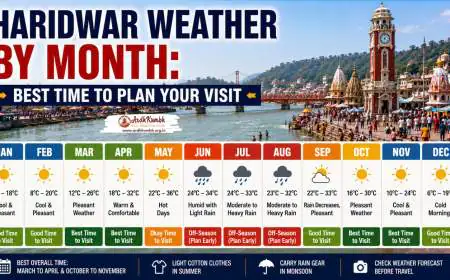
Low Season (July–August): Prices are at their lowest. Hotels drop rates by 30–40%, and you’ll find great deals on transport. The downside? Monsoon rains can make the ghats slippery and sightseeing tricky.
Peak Season (October–March): This is when Haridwar travel expenses hit their highest. Pleasant weather (10–25°C) means everyone wants to visit. Hotel rates can double, and you’ll need to book at least 2–3 weeks in advance.
Shoulder Season (April–June & September): Prices are moderate. April–June gets hot (30–40°C) but this is also when the Char Dham Yatra begins, so the city remains busy. September offers a sweet spot – post-monsoon greenery with lower crowd levels.
Festival Periods: During Kumbh Mela (next in 2027), Kanwar Yatra (July–August), and Navratri, prices can go 2–3 times higher. If you’re traveling during these times, book everything – stay, transport, even meals – months in advance.
Money-Saving Hacks: How to Reduce Your Haridwar Daily Expenses 💰
Want to stretch your rupee further? Here are my tried-and-tested tips to keep your average daily travel expenses in Haridwar as low as possible:
1. Stay near Har Ki Pauri but not ON Har Ki Pauri – Hotels just 500–700 meters away cost half as much and are still walking distance.
2. Eat where the pilgrims eat – The thali places near the ghats serve unlimited food at ₹150–₹350. Skip the fancy restaurant and eat like a local.
3. Walk everywhere – Haridwar is small. Walking saves you auto fares and lets you discover hidden gems.
4. Use shared transport – Shared e-rickshaws and buses cost a fraction of private autos. From the railway station to Har Ki Pauri, shared e-rickshaws charge just ₹10–₹20.
5. Book train tickets in advance – Tatkal and last-minute bookings cost 30–50% more. Plan ahead and book your train at least a month in advance.
6. Carry your own water bottle – Reusable bottles save you ₹20–₹40 per day on bottled water.
7. Visit during low season – July–August offers the lowest Haridwar trip cost with hotel rates at their annual bottom.
8. Group up – Traveling with friends or family? Share taxi costs and hotel rooms. A Haridwar family trip becomes significantly cheaper per person when you split expenses.
Sample 2-Day Haridwar Itinerary with Daily Budget Breakdown 📋
Here’s what a realistic 2-day Haridwar trip looks like with costs:
Day 1: Arrival, Har Ki Pauri & Evening Ganga Aarti
-
Arrive by train (Delhi to Haridwar) – ₹650 (Shatabdi)
-
Auto to hotel – ₹50
-
Check-in at mid-range hotel – ₹2,500/night
-
Lunch at local thali place – ₹250
-
Visit Mansa Devi Temple (ropeway) – ₹150
-
Explore Upper Road & local markets – Free (shopping extra)
-
Evening Ganga Aarti at Har Ki Pauri – Free (arrive by 5:30 PM)
-
Dinner at riverside restaurant – ₹400
-
Day 1 Total: ₹4,000 (approx.)
Day 2: Sunrise, Chandi Devi & Departure
-
Sunrise at Har Ki Pauri – Free
-
Breakfast at local shop – ₹100
-
Chandi Devi Temple (ropeway) – ₹150
-
Visit Daksha Mahadev Temple – ₹100 (auto both ways)
-
Lunch at Hoshiyar Puri – ₹300
-
Shopping & puja items – ₹500 (optional)
-
Train back to Delhi – ₹650
-
Day 2 Total: ₹1,800 (without shopping)
Total 2-Day Trip Cost: ₹5,800 – ₹6,500 per person
Final Word: Is Haridwar Expensive or Affordable?
Here’s the honest answer – Haridwar is one of the most affordable pilgrimage destinations in India. Your average daily travel expenses in Haridwar are significantly lower than comparable spiritual destinations like Varanasi or Rishikesh.
The city caters to everyone – from the penniless pilgrim sleeping in a free dharamshala to the luxury traveler spending ₹20,000 a night at a Taj property. The beauty of Haridwar is that the experience remains the same regardless of your budget. The Ganga flows the same for everyone. The aarti feels just as magical.
Plan smart, book early, eat local, and walk often. Your Haridwar daily budget will thank you. And your soul? It’ll be too busy soaking in the spiritual vibes to care about the numbers. 🕉️🙏
Frequently Asked Questions