










































































How to Plan a Five-Day Spiritual Journey During Ardh Kumbh 2027
Plan your 5-day spiritual journey for Ardh Kumbh 2027 in Haridwar. Discover Amrit Snan dates, sacred rituals, accommodation tips, and expert pilgrimage advice for a transformative experience.

The Call of the Divine: Why Ardh Kumbh 2027 Is Your Spiritual Turning Point 🌊🕉️
Picture this: millions of souls converging at the banks of the sacred Ganga, the air thick with the sound of Vedic chants, the fragrance of incense mingling with the cool river breeze, and a collective energy so powerful it can only be described as divine. This is the Ardh Kumbh Mela 2027 — not just a festival, but a once-in-a-lifetime spiritual awakening waiting to embrace you.
The Ardh Kumbh Mela is held every six years at Haridwar and Prayagraj, positioned precisely at the midpoint of the twelve-year Purna Kumbh Mela cycle. In 2027, the sacred city of Haridwar will host this monumental event from January 14 to April 20, 2027 — a magnificent 97-day spiritual extravaganza. What makes the 2027 edition historically significant? It marks the first unrestricted Haridwar Kumbh since the pre-pandemic era, following the record-shattering Maha Kumbh 2025 that drew an astonishing 66 crore pilgrims.
For the first time in Haridwar's Kumbh history, the traditional "Shahi Snan" has been officially renamed "Amrit Snan" — a powerful linguistic shift from Persian to Sanskrit roots, directly connecting the sacred bath to the legendary Samudra Manthan where drops of divine nectar fell to Earth. This isn't merely a name change; it's a spiritual rebranding that honors the Vedic essence of this timeless tradition.
If you're planning a five-day spiritual journey to the Ardh Kumbh 2027, you're not just planning a trip — you're answering a cosmic call that has resonated through millennia. This guide is your compass, your confidant, and your companion for this sacred expedition.
Trending Guides Now

How Zones and Sectors Will Work in Ardh Kumbh 2027
Read Guide →
Why Early Planning Makes Kumbh Easier
Read Guide →
A Full Day at Ardh Kumbh Mela: Dawn to Night Guide
Read Guide →
First-Time Ardh Kumbh 2027 Visitor Roadmap from Arrival to Departure
Read Guide →
Ardh Kumbh 2027 Dates (Official) - Haridwar Snan Schedule
Read Guide →
Dharamshala Stay During Ardh Kumbh: Free & Budget Guide
Read Guide →
Official Progress Report of Haridwar Ardh Kumbh 2027 Infrastructure Projects
Read Guide →
Where to Find 24-Hour Pharmacies in Haridwar During Ardh Kumbh 2027 Emergencies
Read Guide →Understanding the Sacred Geography: Haridwar — Gateway to the Gods 🏞️🙏
Before diving into the logistics of your five-day pilgrimage, it's essential to understand where you're going and why this place holds such profound spiritual significance.
Why Haridwar? The City That Opens Heaven's Door
Haridwar, literally translating to "Gateway to God," is one of the seven holiest cities in Hinduism. It's here that the mighty Ganga descends from the Himalayas onto the plains, carrying with it the purity of the mountains and the blessings of the divine. The Ardh Kumbh Mela 2027 in Haridwar is particularly special because:
-
It follows the Prayagraj Maha Kumbh of 2025, carrying forward immense spiritual momentum
-
The Ganga at Haridwar is believed to possess unique purifying properties, amplified during Kumbh planetary alignments
-
It hosts four Amrit Snans in a single edition for the first time — doubling the sacred opportunities
The Celestial Connection: Why 2027?
The timing of the Kumbh Mela isn't random — it's dictated by precise astronomical calculations. When Jupiter (Guru) enters specific zodiac signs and aligns with the Sun and Moon in particular configurations, the sacred waters are believed to transform into Amrit (nectar). The Ardh Kumbh 2027 occurs under a spiritually potent planetary alignment that devotees believe creates a direct channel to the divine.
Your 5-Day Spiritual Blueprint: From Arrival to Enlightenment 🗓️✨
Now, let's get to the heart of the matter — how do you actually plan and experience a transformative five-day spiritual journey at the Ardh Kumbh Mela 2027? This isn't a typical vacation itinerary; it's a sacred schedule designed to immerse you in the spiritual essence of this grand gathering.
Day 1: Arrival and Grounding — Stepping into Sacred Space 🌅🧘
Morning:
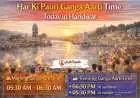
Your journey begins the moment you set foot in Haridwar. The very air feels different here — charged with centuries of devotion. Start your day early with a visit to Har Ki Pauri, the most sacred ghat on the Ganga. This is where Lord Vishnu is believed to have left his footprint, and where the Ganga Aarti creates a spectacle of fire, water, and faith.
-
Arrival Tips: The nearest airport is Jolly Grant Airport, Dehradun (DED) , approximately 35 km from Haridwar. Haridwar Junction is well-connected by rail to Delhi, Mumbai, Kolkata, and other major cities. If you're driving, National Highway 58 connects Delhi to Haridwar via Meerut, Muzaffarnagar, and Roorkee — about a 5-6 hour drive.
Afternoon:
Check into your accommodation. Given the massive influx of pilgrims — between 10 to 17 crore expected across the 97-day mela — early booking is absolutely essential. Options range from:
-
Ashrams and Dharamshalas along the Ganga offering simple, spiritually-focused stays
-
Luxury tent camps with modern amenities like attached bathrooms and hot water
-
Budget hotels and guesthouses in the city center
-
Government-run camps set up specifically for the mela
Evening:
Witness the Ganga Aarti at Har Ki Pauri — an experience that defies description. As the priests chant ancient mantras, light hundreds of oil lamps, and offer prayers to the river goddess, you'll feel a profound connection to something greater than yourself. This is your initiation into the spiritual journey.
Pro Tip: Arrive at least an hour early to secure a good viewing spot. Dress modestly, remove your footwear, and maintain silent reverence during the ceremony.
Day 2: The Sacred Dip — Purification of Body and Soul 💧🕊️
Morning — The Amrit Snan Experience:
Today is the day you've been waiting for — your sacred bath in the holy Ganga. If you've timed your visit with one of the Amrit Snan dates, you're in for an experience of a lifetime.
The 2027 Amrit Snan (Royal Bath) Schedule:
| Date | Occasion | Significance |
|---|---|---|
| March 6, 2027 | Mahashivratri | First Amrit Snan — dedicated to Lord Shiva |
| March 8, 2027 | Phalgun/Somvati Amavasya | Second Amrit Snan — rare no-moon day |
| April 14, 2027 | Mesh Sankranti/Baisakhi | Third Amrit Snan — largest and most sacred |
| April 20, 2027 | Chaitra Purnima | Fourth Amrit Snan — closing bath |
Other Major Bathing Dates:
-
January 14, 2027 — Makar Sankranti (Opening Snan)
-
February 6, 2027 — Mauni Amavasya (Traditionally the most crowded non-Amrit day)
-
February 11, 2027 — Basant Panchami
-
February 20, 2027 — Magh Purnima
-
April 7, 2027 — Nav Samvatsar (Hindu New Year)
-
April 15, 2027 — Ram Navami
The Ritual of Bathing:
The sacred bath is not just about getting wet — it's a conscious act of surrender. As you step into the cool, flowing waters of the Ganga, chant the mantra "Ganga Ganga" or simply offer a silent prayer. The belief is that bathing during the Kumbh Mela washes away accumulated karma and accelerates your path toward moksha (liberation).
Afternoon — Exploring the Akharas:
After your bath, visit the temporary camps of the Akharas — the traditional monastic orders of sadhus and ascetics. The 13 Akharas, led by the Akhil Bharatiya Akhara Parishad, set up elaborate camps where you can witness spiritual discourses, Yoga sessions, and bhajan evenings.
Evening — Silent Reflection:
Find a quiet spot along the river and spend time in meditation or journaling. Reflect on your experience and set intentions for the rest of your journey.
Day 3: Beyond the Ghats — Pilgrimage to Sacred Sites 🛕🚶
Morning — The Panch Tirth Yatra:
Haridwar is home to five sacred sites collectively known as the Panch Tirth. Visit these on Day 3 for a complete spiritual circuit:
-
Gangadwara — Where the Ganga enters the plains
-
Kushavarta Ghat — Believed to be where sage Kusha performed rituals
-
Bilwa Teertha — Associated with Lord Shiva
-
Neel Parvat — The blue mountain with mythological significance
-
Kapilastana — Where sage Kapila is said to have meditated
Afternoon — Chandi Devi Temple:
Take the ropeway or trek to the Chandi Devi Temple atop Neel Parvat. This temple is dedicated to Goddess Chandi, who is believed to have slain the demons Shumbha and Nishumbha. The panoramic view of Haridwar from the top is breathtaking — a perfect backdrop for meditation and prayer.
Evening — Mansa Devi Temple:
Visit the Mansa Devi Temple, another hilltop shrine dedicated to the goddess who fulfills wishes. The cable car ride offers stunning views of the city and the Ganga. Offer your prayers and make a wish — this is a tradition that devotees have followed for centuries.
Day 4: The Seeker's Day — Yoga, Discourses, and Inner Work 🧘📿
Morning — Yoga by the Ganges:
Start your day with a Yoga session on the banks of the Ganga. Many ashrams and spiritual organizations conduct morning Yoga classes during the Kumbh Mela period. The combination of pranayama (breathwork), asanas (postures), and the serene river backdrop creates an ideal environment for inner transformation.
Mid-Morning — Spiritual Discourses (Satsang):
Attend a Satsang or spiritual discourse by a respected guru or saint. The Ardh Kumbh Mela attracts spiritual teachers from across India and the world. Listen, learn, and ask questions. These discourses often provide profound insights into life, dharma, and the path to liberation.
Afternoon — The Art of Giving (Seva):
Participate in Seva (selfless service). Many organizations run free food kitchens (langars) during the Kumbh Mela. Volunteering even for an hour can be a humbling and spiritually enriching experience. It's a reminder that spirituality is not just about receiving — it's about giving.
Evening — Bhajan Sandhya:
As the sun sets, immerse yourself in a bhajan evening — a session of devotional singing. The collective energy of hundreds of voices raised in praise of the divine is electrifying and deeply moving.
Day 5: Integration and Farewell — Carrying the Divine Home 🌅🙌
Morning — Final Dip and Gratitude:
Return to the Ganga for one final sacred dip. This time, instead of asking for purification, offer gratitude — for the experience, for the journey, and for the divine grace that brought you here. Collect a small amount of Ganga water (Ganga Jal) to take home as a sacred souvenir.
Mid-Morning — Visit to Daksha Mahadev Temple:
Located in Kankhal, about 4 km from Haridwar, the Daksha Mahadev Temple is an ancient shrine with a fascinating mythological story. It's believed to be the site where King Daksha performed a yajna (fire sacrifice) that led to the death and resurrection of Lord Shiva's consort, Sati.
Afternoon — Shopping for Sacred Souvenirs:
Visit the bustling markets of Haridwar to pick up spiritual mementos:
-
Rudraksha beads for meditation
-
Tulsi malas (holy basil beads)
-
Idols of deities
-
Sacred texts and scriptures
-
Incense and essential oils
Evening — The Final Aarti and Departure:
Witness one last Ganga Aarti at Har Ki Pauri. As the lamps flicker and the mantras echo, say your goodbyes to the holy river. Carry the peace and divinity you've experienced back into your daily life. Remember — the spiritual journey doesn't end here; it's just beginning.
Essential Planning Checklist for Your Ardh Kumbh 2027 Journey 📋✅
Before You Go:
-
☐ Secure train or flight tickets early — special pilgrimage trains will operate
-
☐ Apply for Indian e-Visa if traveling internationally (at least 30 days before)
-
☐ Pack modest, loose, light cotton clothing (cover shoulders and knees)
-
☐ Pack a water bottle, sunscreen, hat, and comfortable walking shoes
-
☐ Learn a few Hindi phrases — "Namaste" and "Dhanyavaad" go a long way
-
☐ Download offline maps and keep digital copies of all travel documents
-
☐ Inform your bank about international travel (if applicable)
During Your Stay:
-
☐ Respect local customs — remove footwear before entering temples
-
☐ Register at official tourist facilitation centers for safety support
-
☐ Keep emergency contact numbers handy
-
☐ Stay hydrated and rest when needed — the spiritual intensity can be overwhelming
-
☐ Maintain silence and reverence during sacred ceremonies
The Deeper Meaning: Why Your Ardh Kumbh Journey Matters 🌌💫
The Ardh Kumbh Mela 2027 is more than a religious gathering — it's a living testament to India's spiritual heritage. For over a millennium, seekers, saints, and ordinary devotees have made this pilgrimage, seeking moksha (liberation) , spiritual cleansing, and divine connection.
The Kumbh Mela is rooted in the legend of the Samudra Manthan — the churning of the cosmic ocean by gods (Devas) and demons (Asuras) to obtain the nectar of immortality (Amrit). During this divine struggle, drops of Amrit fell at four sacred locations on Earth:
-
Haridwar (on the Ganga)
-
Prayagraj (at the Triveni Sangam)
-
Nashik (on the Godavari)
-
Ujjain (on the Kshipra)
Each Kumbh Mela held at these sites commemorates this cosmic event, and the sacred waters are believed to temporarily transform into Amrit during the auspicious planetary alignments.
When you participate in the Ardh Kumbh 2027, you're not just a tourist — you're a participant in an unbroken tradition that has connected millions of souls across centuries. The collective consciousness of millions praying, bathing, and seeking together creates an energy field that is palpable and transformative.
Practical Wisdom for the Modern Pilgrim 🌟💡
Navigating the Crowds
With 10 to 17 crore pilgrims expected, the Ardh Kumbh Mela will be one of the largest human gatherings in history. Here's how to navigate:
-
Avoid peak bathing dates if you prefer a quieter experience
-
Use designated pedestrian routes and follow crowd management instructions
-
Keep your group together — designate a meeting point in case you get separated
-
Carry a fully charged phone with a portable power bank
Health and Safety
-
Medical camps and emergency services will be available throughout the mela
-
Stay hydrated and avoid overexertion
-
Be cautious near the riverbanks — the currents can be strong
-
Keep emergency contacts on a visible card
Cultural Etiquette
-
Dress modestly — loose clothing covering shoulders and knees
-
Remove footwear before entering temples and at the ghats
-
Respect the sadhus — they are renunciants who have dedicated their lives to spiritual pursuits
-
Ask permission before taking photographs, especially of rituals and ascetics
Final Thoughts: Your Spiritual Transformation Awaits ✨🙏
Planning a five-day spiritual journey to the Ardh Kumbh Mela 2027 is an act of faith, courage, and intention. It's a commitment to your inner growth, a willingness to step into the unknown, and an openness to divine grace.
As you prepare for this sacred expedition, remember that the true pilgrimage isn't just about the external journey — the temples you visit, the baths you take, the sights you see. The real transformation happens within — in the quiet moments of reflection, in the connections you forge with fellow seekers, in the stillness that follows the chanting, and in the peace that settles in your heart as you witness the Ganga flowing endlessly toward the sea.
The Ardh Kumbh 2027 is calling. Will you answer? 🕉️🌊🙌
Frequently Asked Questions