






































































Can You Take a Bath in the Ganga Safely During Monsoon in Haridwar During Ardh Kumbh 2027?
Monsoon Ganga bathing in Haridwar during Ardh Kumbh 2027 carries real drowning and water-quality risks. Learn safe ghats, current speed, timing and official warnings.

Can You Take a Bath in the Ganga Safely During Monsoon in Haridwar During Ardh Kumbh 2027?
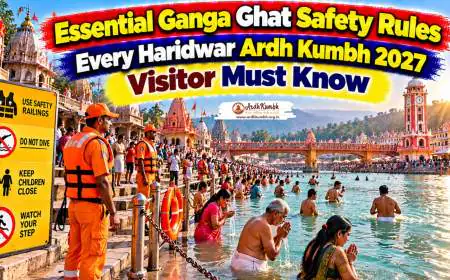
Quick Answer ⚡ Yes, but only with strict precautions and only at designated ghats — never in the main current or at unmarked spots. The Ganga in Haridwar during monsoon is a fundamentally different river from the calm, clear stream of winter. Mountain rainfall causes water levels to surge manifold, currents accelerate, and ghats can be submerged within hours . In 2026 alone, six Kanwariyas died in 48 hours in Haridwar during the monsoon Kanwar Yatra, and four Chandigarh teenagers drowned in a single incident at a restricted, deep and muddy stretch . The Haridwar district administration and SDRF repeatedly urge pilgrims to bathe only at designated and safe ghats and to avoid the main currents or deep waters . For Ardh Kumbh 2027, authorities are planning lifeguards, safety ropes and motorboats at all ghats, along with AI and surveillance-based monitoring — but these measures reduce risk; they do not eliminate it .
At a Glance 🔎 Monsoon Ganga Bathing Risk Profile in Haridwar
| Risk Factor | Winter / Dry Season | Monsoon Season (July–September) | What It Means for You |
|---|---|---|---|
| River flow | Calm, controlled by Bhimgoda Barrage | High and unpredictable; barrage releases can raise levels suddenly | Never enter deep water; stay close to the steps |
| Current speed | Gentle at Har Ki Pauri | Strong enough to sweep adults away; SDRF divers struggle in full spate | Do not wade beyond knee-deep |
| Ghat condition | Dry, stable steps | Slippery, mossy, sometimes submerged | Wear non-slip footwear; use handrails |
| Water quality | Comparatively better | Elevated turbidity and microbial load | Avoid swallowing water; shower after snan |
| Drowning incidents | Lower | Documented fatalities in 2026 | Designated ghats only; follow warnings |
| Official warnings | Routine | Frequent advisories to avoid unsafe spots | Check local advisories daily |
Local Insight 📍 The most dangerous misunderstanding among pilgrims is that “Har Ki Pauri is always safe.” It is safer than unmarked ghats, but during monsoon, even the main channel near Har Ki Pauri is listed among sensitive areas requiring additional security arrangements . The Bhimgoda Barrage zone, the stretch downstream of the barrage, Neel Dhara, Kangra Ghat, Premnagar Ashram, the Jwalapur vicinity, and the area beneath Chandi Pul are all classified as sensitive during the rainy season .
Why Monsoon Changes Everything: The Hydrology of Danger
The Ganga at Haridwar is regulated by the Bhimgoda Barrage, but monsoon flows overwhelm regulation. When heavy rain falls in the Garhwal hills, the Alaknanda, Mandakini and Bhagirathi rise close to the danger mark, and the Ganga in Haridwar responds within hours . The water level at Haridwar has been recorded at 293 metres — the warning level — with the danger mark at 294 metres . Ghats have been submerged during continuous rainfall .
The Current That Kills
The SDRF has stated that because of the monsoon the river is in full spate, which makes deep diving difficult even for trained divers . That is the clearest possible indicator of current strength. A 23-year-old man was swept away near Sirasu bridge in Rishikesh while bathing with friends; he lost balance and was carried away . A strong current does not care about swimming ability, age or devotion. It overpowers anyone who loses footing in deep water.
Trending Guides Now

Are Special Facilities Available for Elderly Pilgrims?
Read Guide →
Can Women Take Shahi Snan at Ardh Kumbh?
Read Guide →
First time at Ardh Kumbh? Read This Before You Go
Read Guide →
Is Ardh Kumbh Smaller or Spiritually Equal to Kumbh?
Read Guide →
Ardh Kumbh 2027 Dates (Official) - Haridwar Snan Schedule
Read Guide →
Dharamshala Stay During Ardh Kumbh: Free & Budget Guide
Read Guide →
Official Progress Report of Haridwar Ardh Kumbh 2027 Infrastructure Projects
Read Guide →
Where to Find 24-Hour Pharmacies in Haridwar During Ardh Kumbh 2027 Emergencies
Read Guide →Expert Tip 💡 The barrage release schedule is not publicly broadcast in real time at the ghat level. A sudden release upstream can raise the water level at Har Ki Pauri while the sky above is clear. Never assume that clear weather at the ghat means safe water. The river’s danger is upstream, not overhead.
Documented Monsoon Drowning Incidents in Haridwar: What They Teach
The 2026 monsoon season produced a cluster of fatalities that are directly relevant to Ardh Kumbh 2027 planning.
The Kanwar Yatra Deaths
On July 31, 2026, four minor Kanwariyas were swept away and died while bathing in the Ganga in Haridwar . On the same day, four Chandigarh youths drowned in the Ganga Canal near Jatwara Bridge in the Jwalapur area after stopping at a ghat along the canal to bathe . A separate incident at Kangra Ghat involved four minor Kanwariyas from Chandigarh drowning . Another report records three Kanwariyas drowning at the Namami Gange Ghat, overpowered by strong currents .
The Common Thread
Every one of these incidents involved bathing at a location that was not a designated safe ghat, or venturing beyond the safe zone into deep or fast-moving water. The Haridwar SSP stated: “Our teams are deployed in such sensitive areas. However, we often observe people acting very carelessly, which leads to accidents. From our swimmer squads to various rescue teams, we are both saving lives and counselling people” . The administration’s appeal is consistent: bathe only at designated and safe ghats and avoid the main currents or deep waters .
Expert Advice ✨ The pattern is not random. It is location-specific. The danger zones are known, mapped and warned about — the Bhimgoda Barrage zone, Neel Dhara, Kangra Ghat, Jwalapur, Chandi Pul and unmarked canal-side ghats. If you stay within the designated safe zone at a major ghat and do not go beyond knee-deep water, you are dramatically reducing your risk. If you follow a local shortcut to a “quiet spot”, you are entering the exact locations where people died in 2026.
Water Quality: The Invisible Risk During Monsoon
Drowning is the visible danger. Water quality is the invisible one.
Microbial Load Rises in Monsoon
A 2026 review of Ganga water quality found that turbidity and microbial load are elevated during the monsoon compared with the dry season . Mass bathing events are associated with sharp, short-term increases in faecal and total coliform counts . A CAG audit found that total coliform bacteria increased 32-fold between Devprayag and Har Ki Pauri over a 93-kilometre stretch . The Faecal Coliform value has been recorded as high as 46,000 MPN/100ml at some locations, not meeting the bathing water quality criteria .
What “Safe for Bathing” Actually Means
The Uttarakhand Pollution Control Board has classified Ganga water in Haridwar as “B-class” — suitable for bathing but unfit for drinking . The coliform level in the Ganges at Haridwar has been reported at up to 120 MPN, which is within bathing standards but far above drinking standards . During monsoon and mass bathing, these levels can spike. The practical implication is simple: avoid swallowing water, keep your head above water, and shower with clean water after the snan — especially if you have cuts, wounds or sensitive skin.
Pro Tip 🧭 If you have open wounds, a compromised immune system, or are recovering from illness, skip the immersion during monsoon and take a symbolic sip or sprinkle at a designated safe point instead. The religious merit of Ganga snan is not diminished by medical prudence in hazardous conditions.
Official Safety Arrangements for Ardh Kumbh 2027
The Ardh Kumbh 2027 is being planned with river safety as an explicit component, not an afterthought.
Lifeguards, Ropes and Motorboats
The Chief Minister has directed that lifeguards, safety ropes and motorboats be available at every ghat . This is a direct response to the drowning pattern of previous monsoons and Kanwar seasons. For monsoon-period bathing, these measures are most relevant at the major ghats — Har Ki Pauri, Kush Ghat, Gau Ghat, Subash Ghat and the Kankhal-side ghats.
AI and Surveillance Monitoring
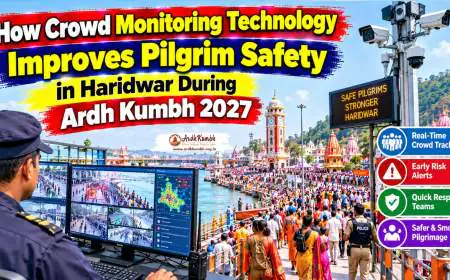
The mela area is being divided into 32 sectors, with AI and surveillance-based monitoring for crowd and safety management . Drones and mapping are part of the digital Kumbh plan . The AI system will generate alerts when crowds gather suddenly or traffic pressure rises — but it is not a substitute for individual caution at the water’s edge .
Emergency Evacuation Routes
A 3.5 km emergency evacuation corridor is being planned for Har Ki Pauri, designed to serve as an emergency exit during the Kumbh and main bathing festivals . This is a crowd-safety measure, but it also improves medical response times if a drowning or injury occurs.
Local Insight 📍 The lifeguard deployment is concentrated at the major ghats. The smaller, less-regulated ghats — Kangra Ghat, Premnagar Ashram, Jwalapur-side ghats — are where the 2026 deaths occurred . For monsoon bathing during Kumbh 2027, choose the ghats with visible lifeguards and safety ropes, not the quiet ones.
Safe Bathing Protocol for Monsoon in Haridwar
If you choose to bathe during monsoon in Haridwar — whether for Kumbh snan or a regular pilgrimage — follow this protocol.
Before You Enter the Water
-
Check the official advisory for the day. The district administration issues weather and river-level warnings; heed them .
-
Choose a designated safe ghat with visible lifeguards, safety ropes and other bathers. Har Ki Pauri and the main Kumbh ghats are safer than unmarked spots .
-
Observe the water for 5–10 minutes before entering. Look for fast-moving debris, sudden level changes and turbulence.
-
Ask a local or a lifeguard about the current condition at that specific ghat. Conditions change daily.
In the Water
-
Do not go beyond knee-deep. The current at waist depth in monsoon can knock an adult off balance.
-
Hold the safety rope or stay within arm’s reach of the steps.
-
Never dive or jump into the water. Slippery rocks and uneven riverbeds are common .
-
Keep children within arm’s reach at all times. The 2026 fatalities included minors .
-
Do not attempt selfies near the water’s edge or on wet rocks. Several deaths have been linked to selfie-related slips .
-
Exit immediately if you feel the current strengthening or hear a warning.
After the Bath
-
Shower with clean water as soon as possible, especially if you have skin sensitivities.
-
Avoid swallowing river water. Carry drinking water to rinse your mouth.
-
Watch for signs of illness — fever, diarrhoea or skin infections — in the days after bathing, and seek medical advice if symptoms appear.
Expert Tip 💡 The safest time to bathe during monsoon is early morning, before barrage releases and afternoon thunderstorms raise the level. The SDRF and district administration are most alert in the morning hours, and the water is often calmer before upstream rain reaches Haridwar.
Who Should Avoid Monsoon Ganga Bathing Entirely
Some pilgrims should not enter the water during monsoon, regardless of safety arrangements.
High-Risk Groups
-
Elderly pilgrims with balance issues, cardiac conditions or joint problems.
-
Children under 12 without constant adult supervision.
-
Non-swimmers and weak swimmers.
-
People with open wounds, skin infections or weakened immunity.
-
Pregnant women.
-
Anyone under the influence of alcohol or sedatives.
Expert Advice ✨ For these groups, the religious obligation of Ganga snan can be fulfilled symbolically — by sprinkling water on the head, taking a sip from a clean vessel, or offering prayers from the ghat steps. No scripture requires a pilgrim to risk drowning to complete a snan. The Kumbh administration itself is making special arrangements for women and elderly devotees — a recognition that not everyone should be in the water during peak flow .
Monsoon vs Shahi Snan: The Timing Question for Kumbh 2027
The Ardh Kumbh 2027 runs from 14 January to 20 April 2027. The monsoon season in Haridwar is July–September. These do not overlap. The four Shahi Snans — 6 March, 8 March, 14 April and 20 April 2027 — fall in the dry season, when the river is calmer and more controlled .
What This Means for Pilgrims
If you are attending the Kumbh specifically for a Shahi Snan, you will not be bathing in monsoon conditions. The relevant risk profile is crowd pressure and water quality during mass bathing, not monsoon currents. The monsoon safety concerns apply to Kanwar Yatra, monsoon-season pilgrimage, and any visit outside the official Kumbh snan dates.
| Season | River Condition | Primary Risk | Kumbh Relevance |
|---|---|---|---|
| January–April (Kumbh core) | Calm, controlled | Crowd pressure, water quality during mass bathing | Shahi Snans and parva snans |
| July–September (Monsoon) | High, fast, unpredictable | Drowning, submerged ghats, slippery steps | Kanwar Yatra, off-season pilgrimage |
| October–December | Receding, stabilising | Moderate; post-monsoon debris | Pre-Kumbh arrivals |
Pro Tip 🧭 If your only reason for bathing in the Ganga is Kumbh snan, plan your visit between January and April 2027. The monsoon question is relevant to Kanwar Yatra pilgrims, monsoon tourists and locals — not to the core Shahi Snan calendar. But if you are in Haridwar during monsoon, treat the river with the same respect the SDRF and district administration demand.
Final Monsoon Bathing Safety Checklist for Haridwar
-
Check the daily advisory from the district administration before planning a snan.
-
Choose a designated ghat with visible lifeguards, safety ropes and motorboats.
-
Observe the water for 5–10 minutes before entering.
-
Stay knee-deep — never go beyond the safety rope.
-
Hold the rope and use handrails on slippery steps.
-
Keep children within arm’s reach.
-
No selfies near the water’s edge or on wet rocks.
-
Avoid unmarked ghats — Kangra Ghat, Jwalapur side, canal banks are known danger zones .
-
Shower with clean water after bathing; do not swallow river water.
-
Elderly, children, non-swimmers and unwell pilgrims should opt for symbolic snan.
-
Save emergency numbers — SDRF, district helpline, local police — before you travel.
-
If in doubt, do not enter. The river will be there next year. The Kumbh will return. Your life will not.
Expert Tip 💡 The safest snan during monsoon is the one you do not take in deep water. The Ganga’s spiritual significance is not diminished by caution. The administration’s repeated message — “bathe only at designated and safe ghats” — is not a formality. It is the lesson of 2026’s deaths, written in the strongest possible terms .
Frequently Asked Questions