








































































Can You Wear Jeans During Haridwar Ardh Kumbh 2027? Dress Code for Holy Bath and Darshan
Can you wear jeans during Haridwar Ardh Kumbh 2027? Complete dress code guide for holy bath, temple darshan and Ganga Aarti with expert tips for men and women.

Can You Wear Jeans During Haridwar Ardh Kumbh 2027? Dress Code for Holy Bath and Darshan
Quick Answer ⚡
Yes, you can wear jeans in most public areas of Haridwar during Ardh Kumbh 2027, but jeans are NOT appropriate for the holy bath (Snan) at Har ki Pauri or for entering major temples. For the holy bath, men should wear a dhoti or lungi, and women should wear a saree or salwar suit with dupatta. For temple darshan, torn jeans, half-pants, mini skirts, and night suits are strictly prohibited at Daksheshwar Mahadev Temple and Neelkanth Mahadev Temple. However, clean and intact jeans covering your body appropriately may be permitted at some temples. The guiding principle is modesty: cover your shoulders and knees, avoid revealing or transparent clothing, and prioritise comfort for long hours of walking and standing.
At a Glance 🔎
| Activity | Jeans Allowed? | Recommended Attire | Key Rule |
|---|---|---|---|
| Holy Bath (Snan) | ❌ No | Dhoti/lungi (men), saree/salwar suit (women) | Modest, quick-dry traditional clothing |
| Har ki Pauri Ghat | ⚠️ Not ideal | Traditional Indian attire | Cover shoulders and knees |
| Temple Darshan (Daksheshwar, Neelkanth) | ❌ No (torn jeans) | Kurta-pyjama, saree, salwar kameez | No half-pants, torn jeans, mini skirts |
| Ganga Aarti | ✅ Yes (clean, intact) | Kurta-pyjama, saree, or modest jeans with full top | No shorts, tank tops, or revealing clothing |
| Public Areas (markets, roads) | ✅ Yes | Any comfortable clothing | Dress modestly for cultural respect |
| Mela Grounds | ✅ Yes | Comfortable, modest clothing | Avoid bright, expensive clothes |
What Is the Official Dress Code for Haridwar Ardh Kumbh 2027?
The official dress code for Haridwar Ardh Kumbh 2027 is not a single government-mandated rule but a combination of temple regulations, religious traditions, and cultural expectations. The Akhil Bharatiya Akhara Parishad has implemented dress codes in specific temples, requiring that devotees' bodies be covered up to 80%. The Haridwar Municipal Act of 1916 also governs certain areas around Har ki Pauri, though its provisions focus more on entry restrictions than clothing per se.
For the Ardh Kumbh Mela, the Mela administration and religious authorities emphasise modesty and cultural respect. While there is no formal dress code for public areas of the Mela grounds, pilgrims are expected to dress in a manner that respects the spiritual nature of the gathering.
Expert Tip 💡: Think of the Kumbh Mela as a religious event first and a travel destination second. Dress as you would for a visit to a sacred temple—modestly, respectfully, and comfortably.
Trending Guides Now

Is Ardh Kumbh Really Different From Kumbh Mela?
Read Guide →
How Many Days Are Actually Enough for Ardh Kumbh?
Read Guide →
Can Families Attend Ardh Kumbh Comfortably Together?
Read Guide →
Can You Attend Ardh Kumbh Without Staying Long?
Read Guide →
Ardh Kumbh 2027 Dates (Official) - Haridwar Snan Schedule
Read Guide →
Dharamshala Stay During Ardh Kumbh: Free & Budget Guide
Read Guide →
Official Progress Report of Haridwar Ardh Kumbh 2027 Infrastructure Projects
Read Guide →
Where to Find 24-Hour Pharmacies in Haridwar During Ardh Kumbh 2027 Emergencies
Read Guide →Can You Wear Jeans for the Holy Bath at Haridwar Ardh Kumbh 2027?
Wearing jeans for the holy bath is strongly discouraged and practically unsuitable for several reasons:
-
Jeans are not quick-dry – They become heavy when wet and take hours to dry
-
Jeans restrict movement – Entering and exiting the Ganga at Har ki Pauri requires mobility on wet, steep steps
-
Jeans are culturally inappropriate for Snan – Traditional attire like dhoti or saree is expected
-
Jeans may not meet modesty requirements – Wet jeans can become transparent and cling to the body
The recommended dress code for Snan at Haridwar Ardh Kumbh 2027 is:
| Gender | Recommended Attire | Why |
|---|---|---|
| Men | Dhoti, lungi, or traditional kurta with pyjama | Quick-dry, allows movement, culturally appropriate |
| Women | Saree or salwar suit with dupatta | Modest, traditional, manageable in water |
| Children | Simple cotton clothes | Comfortable and easy to change |
Pro Tip 🧭: Carry a quick-dry towel and a plastic bag for wet clothes. Change into dry clothes immediately after Snan to avoid chills. The morning Snan can be cold, especially in January and February.
What Is the Dress Code for Temple Darshan During Ardh Kumbh 2027?
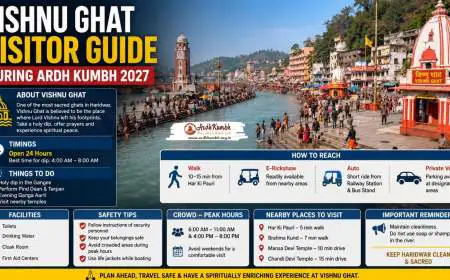
Temple dress codes in Haridwar have become stricter in recent years. The Daksheshwar Mahadev Temple (Daksh Prajapati Temple) in Haridwar and the Neelkanth Mahadev Temple in Rishikesh have implemented formal dress codes. According to these rules, those wearing half-pants, torn jeans, mini skirts, and night suits will not be allowed to enter. Only those wearing decent clothes are permitted.
The Mahant Ravindra Puri of the Panchayati Akhara Mahanirvani has clarified that he is not averse to those wearing jeans—but the jeans must cover the body appropriately. The key requirement is that 80% of the body should be covered.
H3: What Counts as "Decent Clothing" for Temple Entry?
For temple darshan during Ardh Kumbh 2027, the following guidelines apply:
| Allowed | Not Allowed |
|---|---|
| Full-length trousers (including intact jeans) | Torn or ripped jeans |
| Kurta-pyjama | Half-pants or shorts |
| Saree or salwar kameez | Mini skirts or short dresses |
| Dhoti | Night suits or loungewear |
| Tops covering shoulders | Sleeveless or tank tops |
| Clothing covering knees | Transparent or revealing clothing |
Local Insight 📍: If you're wearing jeans to a temple during Ardh Kumbh 2027, ensure they are clean, intact, and full-length. Pair them with a modest top that covers your shoulders. If in doubt, carry a shawl or dupatta to drape over your shoulders before entering.
What Should Women Wear During Haridwar Ardh Kumbh 2027?
Women pilgrims should prioritise modesty, comfort, and practicality when choosing attire for Haridwar Ardh Kumbh 2027. The traditional sari is the most culturally appropriate and widely worn attire at the Kumbh Mela, and it is also symbolic of Hindu culture.
H3: Recommended Attire for Women
-
Saree – Traditional, modest, and appropriate for all Kumbh activities
-
Salwar kameez with dupatta – Comfortable and practical for long hours
-
Cotton or linen fabrics – Breathable and quick-drying
-
Chanderi or Maheshwari cotton sarees – Lightweight and comfortable for winter days
-
Long skirts with modest tops – Acceptable alternative for temple visits
-
Shawl or scarf – Essential for early mornings, evenings, and temple entry
H3: What Women Should Avoid
-
Short or transparent clothing – Disrespectful and impractical for Snan
-
Sleeveless or backless tops – Cover shoulders for temple and ghat entry
-
Tight-fitting clothes – Uncomfortable for long hours and crowded spaces
-
Expensive jewellery – Avoid attracting unnecessary attention
Expert Advice ✨: Carry a sarong or lightweight robe for quick coverage when moving between the water and public spaces during Snan. This is particularly useful for women managing wet clothes after the holy bath.
What Should Men Wear During Haridwar Ardh Kumbh 2027?
Men's attire for Haridwar Ardh Kumbh 2027 should balance traditional appropriateness with practical comfort. While jeans are acceptable in public areas, they are not suitable for Snan or temple entry (especially if torn).
H3: Recommended Attire for Men
-
Cotton kurta with pyjama – Traditional, comfortable, and appropriate
-
Dhoti or lungi – Ideal for Snan and ghat visits
-
Full-length trousers (intact) – Acceptable for public areas and some temples
-
Linen or cotton shirts – Breathable for daytime
-
Warm shawl or jacket – Essential for early mornings and evenings
H3: What Men Should Avoid
-
Torn or ripped jeans – Prohibited in Daksheshwar Mahadev Temple and Neelkanth Mahadev Temple
-
Half-pants or shorts – Not allowed for temple darshan
-
Sleeveless vests – Disrespectful for temple and ghat entry
-
Night suits or loungewear – Not permitted in temples
Expert Tip 💡: If you prefer wearing jeans during the Ardh Kumbh 2027, pack at least one traditional outfit (kurta-pyjama or dhoti) for Snan and temple darshan. This ensures you're prepared for all situations.
What Is the Dress Code for Ganga Aarti at Har ki Pauri?
The Ganga Aarti at Har ki Pauri is one of the most spiritually significant and visually spectacular events during Ardh Kumbh 2027. While there is no formal dress code, modest traditional attire is strongly recommended and culturally respectful.
H3: Recommended Attire for Ganga Aarti
| Gender | Recommended | Avoid |
|---|---|---|
| Men | Kurta-pyjama, dhoti, or full-length trousers with collared shirt | Shorts, sleeveless tops, torn jeans |
| Women | Saree, salwar kameez, or long skirts with shoulder-covering tops | Shorts, tank tops, revealing clothing |
Local Insight 📍: The Ganga Aarti at Har ki Pauri draws thousands of pilgrims every evening. Arrive early to secure a good viewing spot, and dress modestly to show respect for the religious ceremony. Remove your shoes before entering the main ghat area.
What Is the Dress Code for Other Haridwar Temples During Ardh Kumbh 2027?
Beyond Daksheshwar Mahadev Temple and Neelkanth Mahadev Temple, other Haridwar temples may have their own dress code expectations. The Mansa Devi Temple and Chandi Devi Temple are major pilgrimage sites during the Kumbh Mela.
H3: Temple-Specific Dress Code Guidelines
| Temple | Dress Code Status | Key Restrictions |
|---|---|---|
| Daksheshwar Mahadev Temple | Formal dress code enforced | No torn jeans, half-pants, mini skirts |
| Neelkanth Mahadev Temple | Formal dress code enforced | No torn jeans, half-pants, mini skirts |
| Mansa Devi Temple | Modest attire expected | Cover shoulders and knees |
| Chandi Devi Temple | Modest attire expected | No leather accessories, modest clothing |
| Har ki Pauri Ghat | Modest attire recommended | Cover knees and shoulders |
Expert Advice ✨: When visiting any temple during Ardh Kumbh 2027, follow the 80% body coverage principle—ensure your shoulders and knees are covered. This simple rule will keep you respectful and welcome at all religious sites.
What Should Pilgrims Pack for Ardh Kumbh 2027 Clothing?
Packing the right clothing for Haridwar Ardh Kumbh 2027 is essential for comfort, modesty, and practicality. The weather in Haridwar varies significantly between January and April, with cold mornings and warmer days.
H3: Essential Clothing Checklist
-
Light cotton clothes for daytime – Breathable and comfortable
-
Warm shawl or jacket for early mornings and evenings
-
Quick-dry towel and extra pair for ghats
-
Comfortable footwear (well broken-in, not new)
-
Slippers for ghats and bathing
-
Extra inner wear – drying can be difficult during heavy rush
-
Traditional outfit (kurta-pyjama or saree) for Snan and temple darshan
-
Modest tops covering shoulders
-
Full-length trousers or jeans (intact) for public areas
Pro Tip 🧭: Bright and expensive clothes invite unnecessary attention. Simple, comfortable outfits are best for pilgrimage. Avoid heavy jewellery and valuables during Snan and temple visits.
What Are the Practical Considerations for Clothing During Ardh Kumbh 2027?
Beyond religious and cultural expectations, practical considerations should guide your clothing choices for Haridwar Ardh Kumbh 2027.
H3: Weather and Comfort
-
January–February: Cold mornings (5–10°C), pleasant days (15–20°C)
-
March–April: Warmer days (25–35°C), cooler evenings
-
Layering is key – wear light cotton for daytime and carry a shawl for evenings
H3: Crowd and Movement
-
The Kumbh Mela area involves extensive walking – comfortable footwear is essential
-
Crowds can be overwhelming – avoid loose, flowing clothes that can get caught
-
Quick-dry fabrics are ideal for Snan and unexpected rain
H3: Security and Practicality
-
Avoid carrying valuables during Snan – leave them in your accommodation
-
Small waterproof pouch for phone and money during Snan
-
Plastic bag for wet clothes after bathing
Local Insight 📍: The steps at Har ki Pauri are steep and permanently wet. Wear rubber sandals you don't mind soaking, and hold the iron chains bolted into the steps during Snan. They exist because the Ganga current is stronger than it appears.
How Does Ujjain's Simhastha Dress Code Compare to Haridwar Ardh Kumbh?
Ujjain, Madhya Pradesh, hosts the Simhastha Kumbh Mela every 12 years, drawing crores of pilgrims to the Shipra River and Mahakaleshwar Temple. The dress code expectations at Ujjain Simhastha share similar principles with Haridwar Ardh Kumbh 2027.
H3: Dress Code Comparison: Ujjain vs Haridwar
| Aspect | Ujjain Simhastha | Haridwar Ardh Kumbh 2027 |
|---|---|---|
| Snan Attire (Men) | Dhoti or modest traditional clothing | Dhoti, lungi, or kurta-pyjama |
| Snan Attire (Women) | Saree or salwar suit with dupatta | Saree or salwar suit with dupatta |
| Temple Entry | Modest clothing covering shoulders and knees | 80% body coverage expected |
| Jeans in Temples | Not ideal; torn jeans prohibited | Torn jeans prohibited at specific temples |
| Ghat Entry | Footwear must be removed | Footwear must be removed |
Local Insight 📍: Pilgrims who have attended Simhastha in Ujjain will find the dress code expectations at Haridwar Ardh Kumbh strikingly similar. The lessons learned from Ujjain—particularly the importance of modest traditional attire for Snan and temple darshan—apply equally to Haridwar.
What Are the Common Mistakes Pilgrims Make with Dress Code at Kumbh Mela?
Even experienced pilgrims sometimes make dress code mistakes during the Kumbh Mela. Here are the most common errors and how to avoid them:
-
Wearing jeans for Snan – Impractical, uncomfortable, and culturally inappropriate
-
Wearing torn jeans to temples – Strictly prohibited at Daksheshwar and Neelkanth temples
-
Not covering shoulders – Disrespectful for temple and ghat entry
-
Wearing shorts or mini skirts – Inappropriate for religious settings
-
Forgetting a shawl – Cold mornings and evenings can be uncomfortable
-
Wearing new footwear – Blisters and discomfort during long walks
-
Carrying expensive jewellery – Unnecessary attention and security risk
-
Wearing bright, flashy clothes – Draws unwanted attention during pilgrimage
Expert Tip 💡: The Kumbh Mela is a spiritual experience. Dress as you would for a visit to a sacred temple—modestly, respectfully, and comfortably. Your clothing should enhance your experience, not distract from it.
Can You Wear Jeans During Haridwar Ardh Kumbh 2027? The Bottom Line
Jeans can be worn in most public areas of Haridwar during Ardh Kumbh 2027, but they are not suitable for the holy bath (Snan) and not permitted in certain temples (especially if torn). For Snan, men should wear dhoti, lungi, or kurta-pyjama, and women should wear saree or salwar suit with dupatta. For temple darshan, ensure your jeans are intact and full-length, and pair them with a modest top that covers your shoulders. The guiding principle is modesty: cover your shoulders and knees, avoid revealing or transparent clothing, and prioritise comfort for long hours of walking, standing, and spiritual practices. Prepare proactively, pack traditional attire, and embrace the spiritual experience over fashion.
Frequently Asked Questions