









































































How Queue Management Works During Major Bathing Days at Ardh Kumbh
Learn how queue management works during major bathing days at Ardh Kumbh. From AI monitoring to one-way routes, discover the systems keeping millions safe.

How Queue Management Works During Major Bathing Days at Ardh Kumbh
So, you are planning to attend the Ardh Kumbh 2027 in Haridwar, and you have heard about the massive crowds on major bathing days. The question on your mind is simple: how do millions of people take a holy dip without chaos turning into catastrophe? The answer is a meticulously designed queue management system that combines physical infrastructure, AI-powered monitoring, human deployment, and pilgrim cooperation to keep everyone safe.
The Ardh Kumbh Mela is one of the largest human gatherings on Earth. On major bathing days—especially the three Amrit Snan dates—the footfall can surge beyond 10 million pilgrims in a single day. Managing this scale requires some of the world's most advanced crowd management strategies. This guide explains exactly how the queue system works, so you can navigate the crowds safely and with confidence.
Why Major Bathing Days Demand Precision Queue Management 🎯
The Ardh Kumbh 2027 is expected to draw between 10 crore and 17 crore pilgrims across its 97-day duration. The three Amrit Snan dates—6 March (Mahashivratri), 8 March (Phalguna Amavasya), and 14 April (Mesh Sankranti/Vaisakhi)—witness the most intense crowd surges.
The Challenge of Sudden Surges
On Shahi Snan days, crowds rise in predictable but intense waves:
Trending Guides Now

Ardh Kumbh Crowd Management & Facilities Guide
Read Guide →
How Crowd Discipline Is Planned for Ardh Kumbh 2027
Read Guide →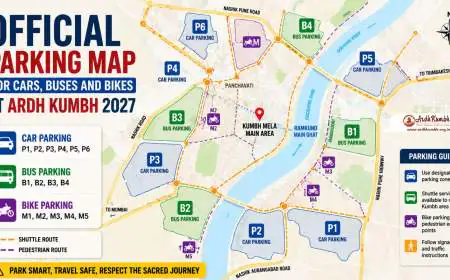
Official Parking Map for Cars, Buses and Bikes at Ardh Kumbh 2027
Read Guide →
How Crowd Flow Will Be Managed in Peak 2027 Days
Read Guide →
Ardh Kumbh 2027 Dates (Official) - Haridwar Snan Schedule
Read Guide →
Dharamshala Stay During Ardh Kumbh: Free & Budget Guide
Read Guide →
Official Progress Report of Haridwar Ardh Kumbh 2027 Infrastructure Projects
Read Guide →
Where to Find 24-Hour Pharmacies in Haridwar During Ardh Kumbh 2027 Emergencies
Read Guide →-
3:30 AM – 6:30 AM: Early surge from devotees seeking sunrise snan
-
6:30 AM – 9:30 AM: The heaviest wave; ghats become saturated
-
9:30 AM – 12:30 PM: Still very dense, with slow and controlled movement
-
12:30 PM – 3:30 PM: Movement becomes easier
-
3:30 PM – 6:30 PM: A secondary mini-surge from returning groups
Without proper queue management, crowd pressure, traffic deadlocks, and emergency delays can become critical. The system is designed to handle these waves by holding, stopping, or redirecting pilgrims at strategic points.
Core Goals of the Queue Management System
The 2027 safety strategy is built on five core objectives:
-
Zero-congestion around ghats during peak bathing hours
-
Safe access for elderly, women, and children
-
Rapid emergency response anywhere in the mela area
-
Protection of pilgrims from theft and safety threats
-
Discipline and dignity during sacred rituals
The Physical Infrastructure: How Queues Are Built 🏗️
The queue system at Ardh Kumbh is not something that appears overnight. It is a massive physical infrastructure project designed to handle millions.
Multi-Layer Crowd Management at Ghats
The bathing ghats are divided into multiple entry and exit lanes, ensuring that no single route becomes overloaded. Pilgrims move through controlled gates monitored by volunteers and security personnel.
Key physical elements include:
| Element | Purpose |
|---|---|
| Metal barricades | Create snaking pathways that hold large numbers of people |
| Separate entry and exit corridors | Prevent head-on collisions and bottlenecks |
| Emergency access lanes | Kept reserved for response teams |
| Rope dividers | Ensure safe movement toward water and back |
| Hourly flow calculations | Regulate pilgrim density in real-time |
Holding Areas Near Railway Stations
Drawing lessons from past Kumbh fairs—especially Amrit Snan days—five holding areas will be created near railway stations. These zones regulate flows, preventing stampedes by holding, stopping, or redirecting passengers at stations.
Ghat-Specific Queue Systems
Different ghats have different queue systems. At Har Ki Pauri, general pilgrim access is restricted or staggered around the Akhara procession window. This ensures that the royal bath of the Akharas proceeds without interference from the general public.
The Queue System: From Chaos to Order 🚶
The most visible form of discipline at the Amrit Snan grounds is the queue system. It has been built on lessons learned from past tragedies, including the 2003 Nashik stampede that claimed 39 lives and the 2025 Prayagraj stampede that killed over 30.
How the Queue Works Step by Step
Here is what happens when you enter the queue system on a major bathing day:
-
Approach the Ghat: You are guided through designated pedestrian routes. Private vehicles are restricted near bathing zones.
-
Entry Gates: You enter through controlled gates. Volunteers and security personnel monitor the flow.
-
Snaking Pathways: Metal barricades create a maze-like path that slows down the crowd and prevents sudden surges.
-
Queue Monitoring: Authorities calculate hourly flow rates and adjust entry speeds accordingly.
-
Dip and Exit: After your holy dip, you exit through a separate corridor, ensuring that incoming and outgoing crowds do not mix.
The Akhara Queue Protocol
The Amrit Snan does not begin with the common pilgrim. It begins with the 13 Akharas. The Akhara Parishad—the apex body of the monastic orders—finalizes the bathing sequence in consultation with the state government.
Each Akhara forms its procession in a strict hierarchy:
-
The Acharya Mahamandaleshwar leads, often seated on a chariot
-
Behind him come the Mahamandaleshwars
-
Then the Mahants
-
Then the senior sadhus
The Kotwal—the Akhara's internal enforcer—walks alongside, carrying his wooden staff. He has the authority to discipline any sadhu who breaks the order. The government police do not interfere; the Kotwal's word is final.
Technology: The Digital Backbone of Queue Management 📱
The 2027 edition is being promoted as India's first "Digital Kumbh". Technology plays a crucial role in queue management.
AI-Based Crowd Monitoring
AI cameras and sensors monitor crowd density in real-time. The system generates crowd density alerts sent to control rooms. This allows authorities to predict surges and adjust queue speeds before bottlenecks form.
CCTV and Drone Surveillance
-
IoT sensors to monitor ghats and riverbanks
Centralized Command and Control Center
A centralized command and control center manages real-time updates on security, sanitation, and logistics. This is the brain of the entire queue management system.
Digital IDs and E-Passes
For the first time, pilgrims will be issued digital IDs and e-passes. These help in tracking movement and ensuring only authorized individuals enter restricted zones.
Police, Volunteers, and Human Deployment 👮
Technology alone cannot manage millions. The human element is equally critical.
Security Forces Deployment
Volunteer Marshals
Trained volunteers guide movement in walkways. They are the friendly faces that help pilgrims navigate the queue system.
Medical and Emergency Teams
Temporary medical facilities ensure immediate response to dehydration, injury, fatigue, or medical emergencies:
How to Navigate the Queue System as a Pilgrim 🎯
Understanding the queue system is not just academic—it will help you navigate the crowds safely.
1. Know the Peak Crowd Patterns
Crowd intensity follows predictable waves. The goal is not to fight the most intense wave, but to stay ahead of it or behind it. That single decision can reduce waiting, fatigue, and risk by nearly 70%.
2. Choose the Right Time for Snan
There are two winning strategies:
| Strategy | Time | Best For |
|---|---|---|
| Ultra-Early Snan | 3:45 AM – 4:45 AM | Physically fit pilgrims, sunrise experience |
| Midday Snan | After 12:30 PM | Families, seniors, those sensitive to crowds |
3. Choose the Right Ghat
Most pilgrims unknowingly contribute to their own discomfort by trying to reach only Har Ki Pauri. Dozens of surrounding ghats offer equally sacred snan with far lower crowds:
-
Subhash Ghat
-
Prem Nagar Ghat
-
Singh Dwar Ghat
-
Other quieter ghats beyond the main complex
4. Follow Instructions
Loudspeaker announcements provide advisory and safety alerts. Follow the instructions of volunteers and police. They are there to keep you safe.
5. Be Patient
The queue system is designed to prevent stampedes. Your patience is not just a courtesy—it is a critical part of the safety system.
Special Considerations for Different Pilgrims 👨👩👧👦
For Women
-
Women-only bathing enclosures provide privacy
-
Women's helpline (1090) is available for emergencies
For Families with Children
For Senior Citizens
For International Pilgrims
-
Digital IDs and e-passes help with identification
-
Multilingual signage and announcements are available
-
The command and control center can assist in multiple languages
Lessons from Past Kumbhs: Why This System Exists 📖
The queue management system at Ardh Kumbh 2027 has been built on hard lessons from the past:
-
2003 Nashik stampede: Claimed 39 lives
-
2025 Prayagraj stampede: Killed over 30
These tragedies have driven the shift toward anticipatory, infrastructure-intensive preparedness. The authorities have also learned from the success of the Maha Kumbh 2025, where dedicated entry and exit points helped manage crowds on six main snan days.
The Role of Railways in Queue Management 🚂
The Indian Railways plays a crucial role in queue management. For Ardh Kumbh 2027:
-
15 special trains will run on key bathing days
-
11 railway stations have been earmarked for upgrades
-
Five holding areas near stations will regulate flows
-
A railway mela officer has been appointed for better coordination
Final Thoughts: A System That Keeps You Safe 🙏
Queue management during major bathing days at Ardh Kumbh is not about restricting pilgrims—it is about protecting them. The combination of physical infrastructure, AI monitoring, human deployment, and pilgrim cooperation creates a system that has learned from past tragedies and is designed to prevent future ones.
The Ardh Kumbh 2027 in Haridwar is expected to be one of the largest gatherings in human history. With between 10 crore and 17 crore pilgrims expected, the queue management system is your invisible shield. Understanding how it works will help you navigate the crowds safely, respectfully, and with peace of mind.
Plan your visit wisely. Choose the right time and the right ghat. Follow the instructions. And may your pilgrimage be safe, blessed, and spiritually fulfilling. 🌊🙏
Frequently Asked Questions