















































































Can You Visit Haridwar During Ardh Kumbh 2027 Without Taking a Holy Dip in the Ganga?
Yes, you can visit Haridwar during Ardh Kumbh 2027 without taking a holy dip. Discover temple visits, Ganga Aarti, Akhara processions and safety tips for non-bathers.

Can You Visit Haridwar During Ardh Kumbh 2027 Without Taking a Holy Dip in the Ganga?
Quick Answer ⚡: Yes, you can absolutely visit Haridwar during Ardh Kumbh 2027 without taking a holy dip in the Ganga. The Haridwar Ardh Kumbh 2027 is a public religious gathering with free entry, and lakhs of visitors attend for temple darshan, Ganga Aarti, Akhara processions, spiritual discourses, and the overall cultural experience without entering the water. However, be aware that the Uttarakhand government is considering restrictions on non-Hindus entering the 105 ghats of Haridwar ahead of the Kumbh, and the Har Ki Pauri area already has existing bylaws regarding non-Hindu entry.
At a Glance 🔎
| Key Detail | Information for Non-Bathers |
|---|---|
| Event Duration | 14 January 2027 to 20 April 2027 |
| Entry to Mela Area | Free — public religious gathering |
| Holy Dip Requirement | Not mandatory — visiting is a personal choice |
| Non-Hindu Restrictions | Under consideration for 105 ghats |
| Har Ki Pauri Bylaws | Existing restrictions on non-Hindu entry |
| Best Non-Bather Activities | Temple visits, Ganga Aarti, Akhara processions |
| Temple Visits | Mansa Devi, Chandi Devi, Bharat Mata Mandir |
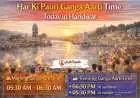
| Ganga Aarti Timing | 5:30 PM (winter), 6:30 PM (summer) |
| Safety for Non-Bathers | Follow crowd flow, avoid ghat edges |
Can Non-Hindus Visit Haridwar During Ardh Kumbh 2027? 🛕
This is one of the most searched questions about the Haridwar Ardh Kumbh 2027. The answer requires nuance because the situation involves both existing bylaws and proposed new restrictions.
Current Status of Non-Hindu Entry
The Uttarakhand government is currently considering a proposal to restrict non-Hindus from entering all 105 ghats in Haridwar ahead of the Ardh Kumbh 2027. This proposal is based on 100-year-old municipal bylaws that already restrict non-Hindu entry at Har Ki Pauri and surrounding religious areas.
What the Existing Bylaws Say
According to the old bylaws of the Haridwar Municipal Corporation:
Trending Guides Now

Is Ardh Kumbh Really Different From Kumbh Mela?
Read Guide →
How Many Days Are Actually Enough for Ardh Kumbh?
Read Guide →
Can Families Attend Ardh Kumbh Comfortably Together?
Read Guide →
Can You Attend Ardh Kumbh Without Staying Long?
Read Guide →
Ardh Kumbh 2027 Dates (Official) - Haridwar Snan Schedule
Read Guide →
Dharamshala Stay During Ardh Kumbh: Free & Budget Guide
Read Guide →
Official Progress Report of Haridwar Ardh Kumbh 2027 Infrastructure Projects
Read Guide →
Is October a Good Time to Visit Haridwar Before Ardh Kumbh 2027?
Read Guide →-
Non-Hindus cannot buy land in the Haridwar Municipal Corporation area, especially in Har Ki Pauri and surrounding religious areas
-
Non-Hindu shopkeepers or traders have to leave the area after sunset
-
No non-Hindu is allowed to stay in the Har Ki Pauri area after sunset
Proposed Restrictions for Kumbh 2027
The Shri Ganga Sabha, which manages the Har Ki Pauri ghat, has reiterated that any area within the Kumbh limits should be out of bounds for non-Hindus. The government is contemplating extending these restrictions to all 105 ghats in Haridwar.
Expert Tip 💡: If you are a non-Hindu visitor planning to attend the Haridwar Ardh Kumbh 2027, check the latest official announcements closer to the event. The situation may evolve, and specific areas may have different access rules.
What Can You Do at Haridwar Ardh Kumbh 2027 Without Taking a Holy Dip? 🎯
The Kumbh Mela is far more than just a bathing festival. Even without entering the Ganga, visitors can experience the spiritual, cultural, and visual grandeur of the event in numerous ways.
Top Activities for Non-Bathers
| Activity | Experience | Best Time |
|---|---|---|
| Ganga Aarti | Spectacular evening ceremony at Har Ki Pauri | Evening (5:30–6:30 PM) |
| Akhara Processions | Royal Amrit Snan processions by Naga Sadhus | Amrit Snan mornings |
| Temple Visits | Mansa Devi, Chandi Devi, Bharat Mata Mandir | Morning hours |
| Spiritual Discourses | Satsangs and teachings at Akhara camps | Throughout the day |
| Cultural Performances | Music, dance, and religious theatre | Evening hours |
| Local Markets | Handicrafts, religious items, prasad | Daytime |
| Photography | Capturing the Kumbh's visual grandeur | All day |
| Meeting Sadhus | Interactions with saints and ascetics | Morning and evening |
The Ganga Aarti Experience
The evening Ganga Aarti at Har Ki Pauri is the single most accessible and spectacular experience for non-bathers. The ceremony takes place twice daily:
| Season | Evening Aarti Time |
|---|---|
| Winter (Oct–Mar) | 5:30 PM |
| Summer (Apr–Sep) | 6:30 PM |
Entry is free, and the aarti is a deeply moving experience even for those who do not enter the water.
Pro Tip 🧭: Position yourself on the steps slightly away from the main ghat to avoid the densest crowds while still enjoying a clear view of the ceremony. Arrive at least 45 minutes early to secure a good spot.
Akhara Processions and Amrit Snan
The Amrit Snan (formerly Shahi Snan) processions are among the most photographed and visually stunning aspects of the Kumbh. The major Akharas — Juna Akhara, Niranjani Akhara, Mahanirvani Akhara, and others — take ceremonial processions to Har Ki Pauri and surrounding ghats.
The four Amrit Snan dates for 2027 are:
| Date | Festival |
|---|---|
| 6 March 2027 | Mahashivratri |
| 8 March 2027 | Phalguna Amavasya |
| 14 April 2027 | Mesh Sankranti |
| 20 April 2027 | Chaitra Purnima |
Local Insight 📍: The Akhara processions typically begin from the Sadhugram area and move toward Har Ki Pauri. Pilgrims and visitors should position themselves along the procession route rather than at the ghats for better visibility and significantly lower crowd density.
Temple Visits: The Best Alternative to Holy Dip 🛕
For visitors who prefer not to enter the Ganga, temple visits offer a deeply spiritual experience and are a highlight of the Haridwar Ardh Kumbh 2027.
Mansa Devi Temple
Mansa Devi Temple sits atop Bilwa Parvat and is one of Haridwar's most popular attractions. The ropeway (Udan Khatola) is the easiest way to reach the temple, especially for families with children or elderly members.
-
Ropeway fare: Approximately ₹165 return for adults, ₹125 for children
-
Timings: Roughly 7:00 AM to 6:00 PM
-
View: Panoramic views of Haridwar city and the Ganga
Chandi Devi Temple
Chandi Devi Temple is located on Neel Parvat and offers another excellent ropeway experience. The temple is a convenient alternative to the steep trek, especially for senior citizens and families with children.
-
Ropeway: Available for families and elderly devotees
-
Child ticket: Approximately ₹225 per child (height 90–110 cm)
-
Distance from Har Ki Pauri: Approximately 20–25 minutes by e-rickshaw
Bharat Mata Mandir
Bharat Mata Temple is a unique multi-level temple inaugurated in 1983, offering a different kind of experience. It is an excellent option for visitors interested in India's cultural and historical heritage.
Other Temples Worth Visiting
-
Maya Devi Temple: One of the oldest temples in Haridwar, connected to the Shakti Peeth tradition
-
Daksheshwar Mahadev Temple: Associated with the Daksha Yagna legend
-
Patanjali Yogpeeth: A slower, more open-ended visit suitable for families interested in Ayurveda and yoga
Expert Advice ✨: The Mela administration is developing modern pedestrian pathways connecting Har Ki Pauri to major temples including Mansa Devi, Chandi Devi, Bilkeshwar Mahadev, and Maya Devi. These pathways will make temple visits easier and more comfortable during the Kumbh.
Understanding the Ghat Entry Rules for Non-Bathers 🚧
Even if you are not planning to take a holy dip, understanding the ghat entry rules is essential for a smooth visit during Ardh Kumbh 2027.
Ghat Access on Amrit Snan Days
The Mela administration restricts ghat access on Amrit Snan mornings through crowd management measures. Pilgrims typically need to reach the ghat very early, often before 4 AM, to secure space for bathing.
What This Means for Non-Bathers
-
Access to ghats may be restricted on Amrit Snan mornings
-
Entry and exit routes are strictly controlled
-
Non-bathers should avoid ghat areas during peak bathing hours
-
Alternative viewing points along the procession route offer better visibility
Non-Hindu Entry Restrictions
If the proposed restrictions are implemented:
-
Non-Hindus may be barred from entering all 105 ghats in Haridwar
-
Har Ki Pauri area already has existing restrictions
-
Kumbh Mela area may be declared a restricted zone for non-Hindus
Expert Tip 💡: If you are a non-Hindu visitor, plan your trip around temple visits and cultural experiences rather than ghat access. The Ganga Aarti can often be viewed from adjacent areas, and the Akhara processions are best experienced from the procession routes.
Safety Tips for Visitors Who Choose Not to Bathe 🛡️
Even without entering the water, visitors to Haridwar Ardh Kumbh 2027 need to follow safety guidelines to navigate the massive crowds.
Essential Safety Measures
-
Follow the crowd flow — never move against the direction of the crowd
-
Wear comfortable, non-slip footwear at all times near ghats
-
Keep a printed copy of your emergency contacts
-
Avoid carrying large bags or valuables
-
Stay hydrated — carry a reusable water bottle and ORS sachets
-
Position yourself away from ghat edges if you are not bathing
-
Follow instructions from Mela volunteers and police personnel
-
Mark a meeting point with your group before entering the Mela area
Emergency Contacts
| Service | Number |
|---|---|
| Police | 100 / 112 |
| Ambulance | 108 |
| Women Helpline | 1091 |
| Tourist Helpline | 1800-11-1363 |
Pro Tip 🧭: The Uttarakhand government has implemented extensive safety measures for Kumbh Mela 2027, including AI-based crowd monitoring, CCTV surveillance, drones, and live crowd alerts. The Integrated Command & Control Centre operates 24×7 to ensure pilgrim safety.
Best Time to Visit Without Taking a Holy Dip 📅
For visitors who want to experience the Kumbh Mela without the intense crowds of bathing days, timing is everything.
Crowd Patterns on Peak Days
| Time Slot | Crowd Level | Suitability for Non-Bathers |
|---|---|---|
| 3:30 AM – 6:30 AM | Very High | Avoid — peak bathing rush |
| 6:30 AM – 9:30 AM | Extreme | Avoid — ghats saturated |
| 9:30 AM – 12:30 PM | High | Moderate — movement slow |
| 12:30 PM – 3:30 PM | Moderate | Good — families can move better |
| 3:30 PM – 6:30 PM | Moderate | Good — secondary surge |
The goal is not to fight the most intense wave but to stay ahead of it or behind it. That single decision can reduce waiting, fatigue, and risk by nearly 70%.
Recommended Strategy for Non-Bathers
-
Visit on non-Amrit Snan days for a calmer experience
-
Attend the Ganga Aarti in the evening — it is accessible and spectacular
-
Plan temple visits for morning hours (before 11 AM)
-
Explore Akhara camps and spiritual discourses during midday
-
Avoid ghat areas during peak bathing hours on Amrit Snan days
Local Insight 📍: Many families and senior citizens choose to experience the Kumbh Mela on adjacent days rather than on the Amrit Snan dates, taking the ritual bath at a quieter ghat or simply enjoying the spiritual atmosphere without entering the water.
What to Expect at the Mela Area as a Non-Bather 🎪
The Kumbh Mela area is a temporary city that springs up for the duration of the event, offering a wide range of experiences for visitors.
What You Will Find
-
Akhara camps — the temporary settlements of monastic orders
-
Spiritual discourses — satsangs and teachings throughout the day
-
Cultural performances — music, dance, and religious theatre
-
Local handicraft markets — religious items, souvenirs, and prasad
-
Food stalls — satvik and vegetarian food options
-
Information centres — help desks and lost-and-found services
-
Medical camps — first aid and emergency medical services
What Non-Bathers Should Avoid
-
Ghat edges during peak bathing hours
-
Isolated areas of the Mela zone
-
Restricted zones during Akhara processions
-
Crowded entry and exit points during peak hours
Expert Advice ✨: The Kumbh Mela is a living, breathing spiritual city. Even without taking a holy dip, you can experience its energy, devotion, and cultural richness. Approach it with an open mind and respect for local traditions.
Ujjain Comparison: What Visitors from Madhya Pradesh Should Know 🔄
Visitors familiar with Ujjain Simhastha Kumbh Mela will find several parallels and some key differences when planning a non-bathing visit to Haridwar.
Similarities
-
Both cities offer temple visits, Ganga Aarti-style ceremonies, and cultural experiences
-
Spiritual discourses and Akhara camps are a feature of both Kumbh Melas
-
Free entry to the Mela area in both cities
-
Food and accommodation options are comparable
Key Differences
| Aspect | Haridwar | Ujjain |
|---|---|---|
| Primary River | Ganga at Har Ki Pauri | Shipra at Ram Ghat |
| Non-Hindu Restrictions | Under consideration for 105 ghats | Generally more open access |
| Ropeway Temples | Mansa Devi, Chandi Devi | Not a primary feature |
| Best Non-Bather Activity | Ganga Aarti, Akhara processions | Mahakal Lok, temple visits |
| Crowd Scale | Extremely high during Amrit Snan | High during Simhastha |
For visitors who have followed a Complete Ujjain Simhastha Kumbh Mela Visitor Guide Without Holy Dip, the Haridwar experience will feel familiar in spirit. The key difference is Haridwar's ropeway-based temple visits, which are a unique and highly enjoyable feature for non-bathers.
Local Insight 📍: Visitors accustomed to Ujjain Kumbh Mela Temple Visits For Non-Bathers will find Haridwar's temple infrastructure similarly well-developed. The Mela administration is investing significantly in pedestrian pathways connecting Har Ki Pauri to major temples, making non-bathing visits easier than ever before.
Final Recommendations for a Non-Bathing Visit to Haridwar Ardh Kumbh 2027 ✅
-
Check the latest rules on non-Hindu entry to ghats before travelling
-
Plan your visit around non-Amrit Snan days for a calmer experience
-
Attend the evening Ganga Aarti — it is the highlight for non-bathers
-
Visit Mansa Devi and Chandi Devi temples via ropeway
-
Explore Akhara camps and spiritual discourses during midday
-
Avoid ghat areas during peak bathing hours
-
Carry emergency contact numbers and stay hydrated
-
Follow crowd flow and Mela administration instructions
-
Book accommodation early — Kumbh demand is intense
-
Respect local traditions and religious sentiments
Expert Tip 💡: The Haridwar Ardh Kumbh 2027 is a once-in-six-years opportunity to witness one of the world's largest spiritual gatherings. Whether you take a holy dip or not, the experience of being present at the Kumbh Mela — surrounded by devotion, tradition, and the collective faith of crores of people — is something that stays with you forever.
Frequently Asked Questions