



















































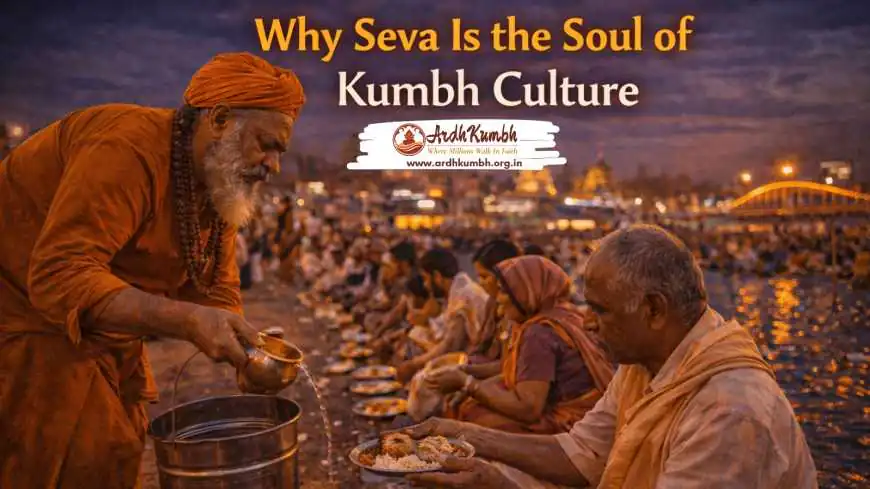
Why Seva Is the Soul of Kumbh Culture
Discover why seva is the soul of Kumbh culture and how selfless service defines spirituality, unity, and devotion at Kumbh Mela.
Why Seva Defines the Essence of Kumbh Culture
At the heart of the Kumbh Mela, beyond rituals, sacred baths, and spiritual discourses, lies a powerful force that sustains the entire experience—Seva, or selfless service. The concept of Seva in Kumbh transforms the gathering from a mere religious event into a living expression of compassion, humility, and collective responsibility.
Millions of pilgrims arrive at sacred locations like Prayagraj and Haridwar, but what ensures their comfort, safety, and spiritual fulfillment is the invisible network of volunteers, saints, and organizations dedicated to service. Seva is not an activity at Kumbh—it is its very soul, shaping every interaction and experience.
Understanding why Seva is the soul of Kumbh culture reveals deeper insights into Hindu philosophy, where service to humanity is considered service to the divine.
The Spiritual Foundation of Seva in Kumbh
Seva as a Path to Liberation
In Hindu philosophy, Seva is not merely charity—it is a sacred duty aligned with Dharma. Scriptures emphasize that serving others without expectation purifies the mind and leads to spiritual growth.
Trending Guides Now
Har Ki Pauri Ganga Aarti Time Today in Haridwar
Read Guide →
Ardh Kumbh Mela Rituals Explained Shahi Snan & Akhara Traditions
Read Guide →
Why Order and Cleanliness Are Strictly Enforced
Read Guide →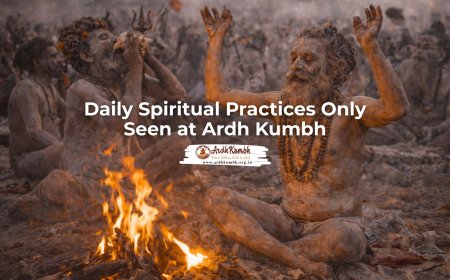
Daily Spiritual Practices Only Seen at Ardh Kumbh
Read Guide →
Best Routes to Reach Haridwar for Ardh Kumbh Mela
Read Guide →
Ardh Kumbh 2027 Dates (Official) - Haridwar Snan Schedule
Read Guide →
How Ardh Kumbh Stayed Relevant Over Centuries
Read Guide →
Why Early Mornings Are Sacred
Read Guide →At Kumbh, this principle becomes visible on a massive scale:
- Serving food to strangers
- Helping elderly pilgrims navigate crowds
- Providing medical aid without charge
Each act of selfless service is seen as an offering to the divine.
Connection to Karma Yoga
The philosophy of Karma Yoga, as described in the Bhagavad Gita, teaches action without attachment to results. Seva at Kumbh perfectly embodies this ideal:
- Work is done without seeking recognition
- Service is performed as a spiritual practice
- The focus remains on duty, not reward
Seva as the Backbone of Kumbh Infrastructure
Managing Millions Through Service
Kumbh Mela is one of the largest human gatherings in the world. Its smooth functioning depends heavily on voluntary service networks.
Seva activities include:
- Crowd management support
- Distribution of food and water
- Cleanliness and sanitation efforts
- Guiding lost pilgrims
Without Seva, the logistical challenges of Kumbh would be nearly impossible to manage.
Role of Organizations and Volunteers
Numerous religious and social organizations set up camps offering:
- Free meals (langar)
- Shelter facilities
- Medical services
These initiatives demonstrate how Seva sustains the Kumbh ecosystem.
Langar and Food Seva: Feeding the Masses
The Sacred Act of Feeding Others
One of the most visible forms of Seva in Kumbh is langar, where free meals are served to thousands daily.
Key aspects include:
- No discrimination based on caste, class, or background
- Continuous service throughout the event
- Volunteers working tirelessly in kitchens
This reflects the belief that feeding others is one of the highest forms of service.
Equality Through Shared Meals
Langar promotes:
- Social equality
- Community bonding
- Collective participation
It breaks barriers and reinforces the idea that all are equal in the eyes of the divine.
Seva as a Tool for Social Unity
Bridging Differences
Kumbh brings together people from diverse backgrounds:
- Different states and languages
- Various social and economic classes
- Multiple spiritual traditions
Through Seva, these differences dissolve, creating a sense of unity.
Creating a Shared Purpose
When individuals serve together, they:
- Develop mutual respect
- Build connections beyond identity
- Experience collective spirituality
This makes Seva a powerful force for national integration.
Role of Saints and Akharas in Promoting Seva
Leading by Example
Saints and spiritual leaders play a crucial role in encouraging Seva culture. They:
- Inspire followers through teachings
- Personally participate in service activities
- Emphasize humility and compassion
Their influence ensures that Seva remains central to Kumbh.
Institutionalizing Service Traditions
Akharas and religious groups organize large-scale Seva initiatives, ensuring:
- Consistency
- Discipline
- Wide reach
This institutional support strengthens the culture of service.
Seva and Personal Transformation
Inner Growth Through Service
Participating in Seva at Kumbh leads to profound personal transformation:
- Reduction of ego
- Development of empathy
- Enhanced spiritual awareness
Serving others shifts focus from self to collective well-being.
Experiencing Divine Connection
Many volunteers describe Seva as:
- A form of meditation
- A way to connect with the divine
- A source of inner peace
This makes Seva not just an act, but a spiritual experience.
Cleanliness and Environmental Seva
Maintaining Sacred Spaces
With millions of visitors, maintaining cleanliness is a major challenge. Volunteers engage in:
- Waste management
- Riverbank cleaning
- Awareness campaigns
This reflects respect for nature and sacred spaces.
Promoting Sustainable Practices
Modern Kumbh events emphasize:
- Eco-friendly initiatives
- Responsible resource use
- Environmental awareness
Seva extends beyond people to include care for the environment.
Medical and Emergency Seva
Lifesaving Contributions
Medical camps and emergency services are critical components of Seva:
- Free health check-ups
- Emergency treatment
- Ambulance services
These efforts ensure the safety of pilgrims.
Compassion in Action
Healthcare Seva demonstrates:
- Humanity
- Dedication
- Selflessness
It highlights the deeper purpose of service—saving lives and reducing suffering.
Seva in the Digital and Modern Era
Technology-Driven Service
In recent years, Seva has expanded through:
- Digital help desks
- Mobile apps for navigation
- Online volunteer coordination
This modern approach enhances efficiency while preserving traditional values.
Global Participation
People from across the world now participate in Kumbh Seva, making it a global movement of service and spirituality.
Why Seva Remains Central to Kumbh Culture
Several factors explain why Seva is the soul of Kumbh culture:
- It aligns with core Hindu values of Dharma and compassion
- It enables the functioning of a massive gathering
- It fosters unity and collective identity
- It provides a path for spiritual growth
Seva is not optional—it is essential to the very existence of Kumbh.
The Silent Force That Powers a Sacred Gathering
Beyond the visible grandeur of rituals and processions, it is Seva that quietly sustains the spirit of Kumbh. Every act of kindness, every meal served, every helping hand extended contributes to a deeper, invisible energy that defines the event.
In this vast gathering, where millions seek spiritual cleansing, it is Seva that becomes the true purifier—of hearts, minds, and society itself. Through selfless service, Kumbh transforms from a festival into a living embodiment of compassion, reminding us that the highest form of devotion lies not in rituals alone, but in serving others with sincerity and humility.
Frequently Asked Questions