







































What Should You Reflect on After Attending Kumbh?
Coming home from Kumbh Mela? Discover the deep questions you must ask yourself. A heartfelt guide to reflecting on your pilgrimage journey.
What Should You Reflect on After Attending Kumbh?
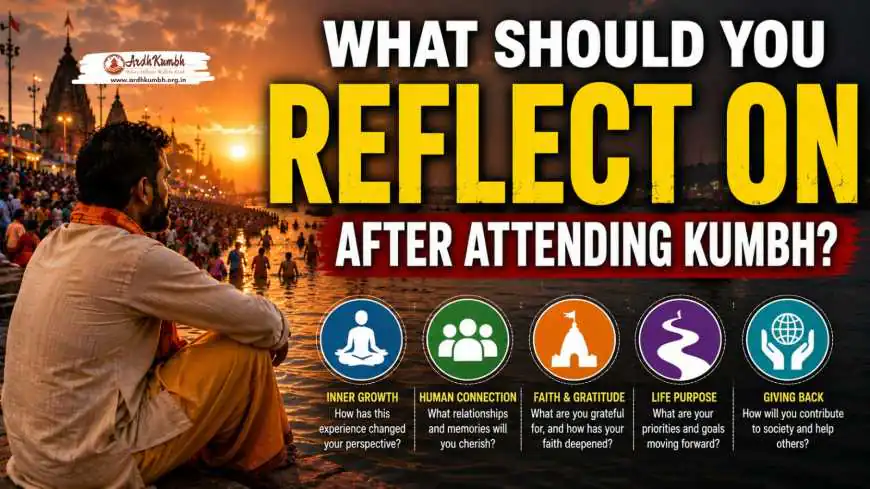
Let me be honest with you. Most people who attend the Kumbh Mela go home and within two weeks, the experience fades like a dream. They show the photos to their family. They tell the stories at a few dinners. And then life swallows them again. The dust of the Kumbh washes off. The mantras stop playing in their head. And they are left with nothing but a memory — sweet, but powerless. That is a tragedy. Because the Kumbh gave you so much more than a memory. It gave you a mirror. It gave you a pressure test of your own soul. It showed you who you are when your comforts are stripped away, when your distractions are gone, when you are just a human standing in a river under a cold sky. And now that you are home, you have a responsibility. Not to the Ganges. Not to the sadhus. To yourself. You must reflect. You must sit with the uncomfortable questions. You must let the Kumbh change your life, or you have wasted your journey. Here is what you need to reflect on.
Did You Really Let Go, or Just Go Through the Motions?
This is the first and hardest question. Be honest with yourself. When you took that sacred dip in the Ganges, were you fully present? Or was your mind already planning your next meal, checking your phone, or worrying about your lost luggage? Many people physically attend the Kumbh but mentally never leave their homes. They go through the motions — wake up, walk, dip, eat, sleep — but their heart is not there. You need to reflect on whether you truly surrendered to the experience, or whether you were just a tourist in holy clothing. If the answer is the latter, do not feel guilty. Just ask yourself: what was blocking me? Fear of the cold? Attachment to comfort? Distraction of technology? That blockage is the real enemy. And now that you know its name, you can fight it at home.
What Did the Crowd Teach You About Yourself?
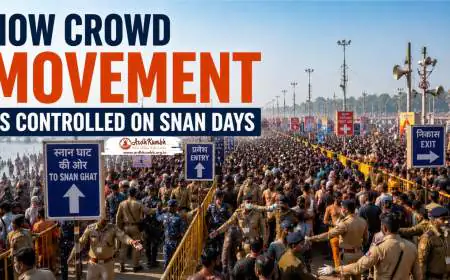
Remember that moment when you were stuck in a sea of humanity and could not move your arms? Remember how your anger rose like a snake? Remember how you wanted to push, to shout, to get out? And then remember how you stopped yourself? Or maybe you did not stop yourself. Maybe you did push. Maybe you did shout. That is fine. The Kumbh crowd is not there to annoy you. It is there to reveal you. The crowd is a stress test for your patience, your kindness, your humility. Reflect on how you behaved when nobody was watching your behavior. Did you help the elderly woman who was struggling? Did you share your water with the thirsty child? Did you curse under your breath? The crowd showed you your own shadow. Do not look away from it. That shadow is the work you need to do.
Are You Carrying the Ganges Inside You Now?
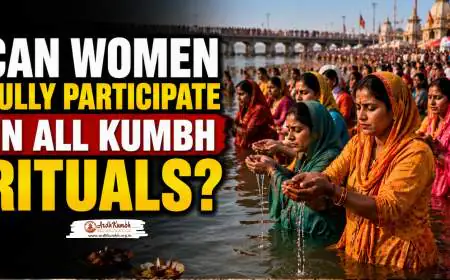
The Ganges is not just a river in Haridwar. The Ganges is a state of being. When you were standing in that water, you felt something. Maybe it was peace. Maybe it was fear. Maybe it was nothing at all. But now that you are home, ask yourself: can you find that same feeling without the river? Can you sit in your small bathroom, under your weak shower, and feel even one percent of the sacredness you felt at Har Ki Pauri? If the answer is no, then you have turned the Ganges into a location instead of a living presence. The real miracle of the Kumbh is not that the water changes. It is that you can change. The Ganges is meant to flow inside you now — in how you speak, in how you forgive, in how you serve. Reflect on whether you have let that happen, or whether you have left the river behind at the ghat.
Trending Guides Now

Can Families Attend Ardh Kumbh Comfortably Together?
Read Guide →
Can Elderly Pilgrims Avoid Heavy Crowds at Kumbh?
Read Guide →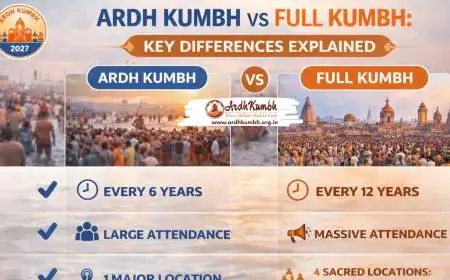
Ardh Kumbh vs Full Kumbh: Key Differences Explained
Read Guide →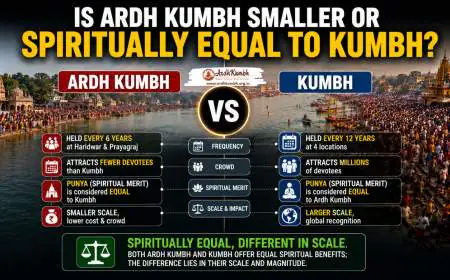
Is Ardh Kumbh Smaller or Spiritually Equal to Kumbh?
Read Guide →
Best Routes to Reach Haridwar for Ardh Kumbh Mela
Read Guide →
Ardh Kumbh 2027 Dates (Official) - Haridwar Snan Schedule
Read Guide →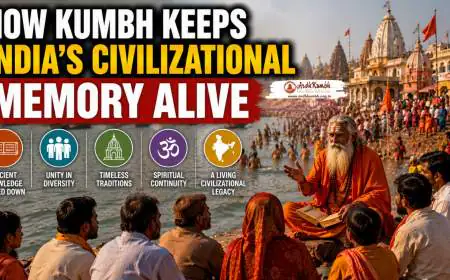
How Kumbh Keeps India’s Civilizational Memory Alive
Read Guide →
February Weather Reality at Ardh Kumbh
Read Guide →What Did You Give, and What Did You Take?
The Kumbh is a place of exchange. You took a dip. You took blessings. You took prasad. You took photos. But what did you give? Did you volunteer at a Bhandara? Did you help a lost pilgrim find their tent? Did you offer your chai to someone colder than you? Did you give your time to listen to a sadhu's story? The economy of the Kumbh is not measured in rupees. It is measured in small acts of giving. Reflect on your balance sheet. If you took more than you gave, do not worry. You can start giving now. Give your attention to your crying child. Give your time to your aging parent. Give your food to the hungry person outside your office. The Kumbh does not end at the river. It continues in every act of generosity for the rest of your life.
Which of Your Desires Survived the Cold Water?
Remember how badly you wanted a hot shower on that freezing morning? Remember how desperately you craved a soft bed after walking ten kilometers? Those desires were so loud in your body. But then you took the dip, and for a few minutes, the desires vanished. They did not matter. You were just alive. Now that you are home, reflect on your desires. Which ones are real? Which ones are just noise? The Kumbh gave you a rare gift: a glimpse of a life without constant wanting. You saw, even for a moment, that you can be happy with nothing. That does not mean you must become a beggar. It means you can stop being a slave to every craving. Reflect on one desire you can let go of this week. Just one. That is the first step.
Did You Make Any Real Promises to Yourself?
When you were standing at the Ganges, did you make a promise? Maybe you promised to be kinder. Maybe you promised to meditate daily. Maybe you promised to forgive someone who hurt you. These promises are sacred. They were made on holy land, in front of a holy river. But now you are home, and the easy path is to forget those promises. "I was emotional," you tell yourself. "I did not mean it literally." No. That is the voice of your ego, trying to keep you small. Reflect on the promises you made. Write them down. Put them on your fridge. Tell a friend about them. Make them real. The Kumbh gave you a moment of clarity. Do not waste it.
How Did You Treat the Strangers Next to You?
Think back to the person standing next to you in the Shahi Snan line. You probably do not remember their face. But you remember how you treated them. Did you share your spot? Did you let them go ahead of you because they looked older? Did you offer them a smile when they looked lost and scared? Or did you ignore them, push past them, pretend they did not exist? The Kumbh is crowded by design. It forces you to interact with strangers. How you treat a stranger at the Kumbh is how you treat humanity itself. Reflect on your behavior. If you were kind, be proud. But ask yourself: are you equally kind to the strangers in your own city? The vegetable seller? The security guard? The maid? The Kumbh should make you see every person. Not just the ones you know.
What Broke Your Heart at the Kumbh?
Let yourself feel this. Something at the Kumbh probably broke your heart. Maybe it was the sight of a disabled person crawling to the river. Maybe it was a hungry child begging for food. Maybe it was an old man crying alone on the ghat because his family did not come with him. The Kumbh is not just joy and miracles. It is also pain. Raw, visible, undeniable human pain. Do not look away from it. Your broken heart is not a weakness. It is a door. It is the door to compassion. Reflect on what broke your heart, and ask yourself: what can I do about it from my home? You cannot fix the whole world. But you can send money to a charity. You can sponsor a child's education. You can volunteer at a local shelter. That broken heart is a call to action. Do not ignore the call.
Did You Find God, or Did You Find Yourself?
This is the big one. The Kumbh is marketed as a place to find God. Millions go for that reason. But here is what many people discover: they do not find God out there in the river. They find themselves. And that discovery feels like finding God because the self and God are not as separate as we think. Reflect on what you actually found. Did you have a vision? Did you hear a voice? Or did you simply feel quiet for the first time in years? Did you feel connected — to the crowd, to the river, to the sky, to the millions of prayers rising like smoke? That connection is sacred. It does not need a name. Whether you call it God or consciousness or peace does not matter. What matters is that you felt it. And now you know it exists. Reflect on how to find that feeling again without traveling a thousand kilometers. That is your homework for the rest of your life.
What Will You Do Differently Starting Tomorrow?
Enough reflection. Enough questions. Now comes the action. The Kumbh gave you a shock to your system. It broke your routines. It showed you a different way to live. But if you go back to your old routines unchanged, the shock wears off. You must decide, right now, one thing you will do differently starting tomorrow. Not ten things. Not five. One. Maybe you will wake up thirty minutes earlier. Maybe you will stop complaining about small things. Maybe you will call your mother every day. Maybe you will stop scrolling on your phone before sleep. One small change. That is how the Kumbh enters your daily life — not through a dramatic explosion, but through a quiet, stubborn, daily practice. Reflect on your one thing. Then do it. Do not wait for the next Kumbh. The next Kumbh is six years away. Your life is happening now.
The Unpacked Bag – A Final Reflection
Let me leave you with this. Your bag is still unpacked, remember? That Kumbh mud is still on your shoes. Do not clean it off yet. Let it stay there for a few more days. Every time you look at those shoes, let them remind you of the cold, the crowd, the chanting, the river. And let them ask you the same question again and again: have you changed yet? The Ardh Kumbh is not a once-in-a-lifetime experience because you only go once. It is a once-in-a-lifetime experience because if you do it right, you do not need to go again. You carry the Ganges in your veins. You carry the patience of the crowd in your breathing. You carry the self-restraint of the sadhus in your choices. You become the Kumbh. That is the reflection. That is the transformation. That is the answer to the question "what should you reflect on?" You should reflect on whether you are ready to live the Kumbh, not just remember it. Now go unpack your bag. And unpack your heart along with it.
Frequently Asked Questions