








































Can You Combine Tourism and Pilgrimage at Ardh Kumbh?
Discover how to combine tourism and pilgrimage during Ardh Kumbh with smart planning, spiritual routes, and travel tips for a complete experience.
Can You Combine Tourism and Pilgrimage During Ardh Kumbh?
The Perfect Blend of Faith and Exploration
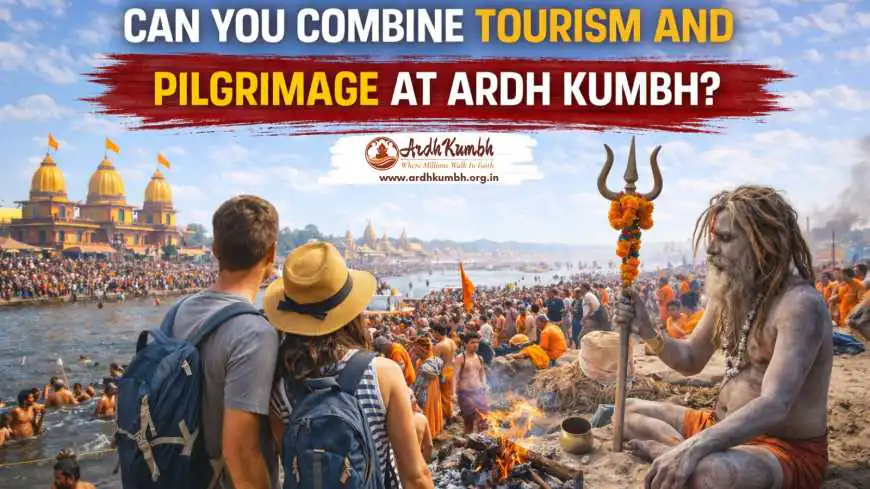
Ardh Kumbh represents one of the most extraordinary gatherings in the world, where millions converge with a singular purpose—spiritual cleansing and divine connection. However, what many travelers often overlook is that this event also presents a rare opportunity to combine pilgrimage with tourism, creating a multidimensional journey that satisfies both the soul and the senses.
When you visit Ardh Kumbh, you are not just stepping into a religious event—you are entering a living, breathing ecosystem of culture, tradition, history, and human diversity. From the sacred act of taking a dip in holy rivers to exploring centuries-old temples, vibrant markets, and nearby attractions, the experience can be designed to offer both spiritual depth and travel richness.
The key lies in structured planning. With the right balance, you can experience inner transformation through rituals while simultaneously enjoying the broader aspects of Indian cultural tourism. This dual approach ensures your journey is not just meaningful but also memorable and enriching on multiple levels.
Want to experience Ardh Kumbh in person?
Get official dates, snan guidelines, Akharas, and travel planning tips in our dedicated event guide.
→ Ardh Kumbh Mela 2027 Complete Guide
Trending Guides Now
Are Special Facilities Available for Elderly Pilgrims?
Read Guide →
Can Women Take Shahi Snan at Ardh Kumbh?
Read Guide →
First time at Ardh Kumbh? Read This Before You Go
Read Guide →
Is Ardh Kumbh 2027 Right for First-Time Pilgrims?
Read Guide →
Best Routes to Reach Haridwar for Ardh Kumbh Mela
Read Guide →
Ardh Kumbh 2027 Dates (Official) - Haridwar Snan Schedule
Read Guide →
How Kumbh Keeps India’s Civilizational Memory Alive
Read Guide →
February Weather Reality at Ardh Kumbh
Read Guide →Understanding the Concept of Pilgrimage Tourism
What is Pilgrimage Tourism?
Pilgrimage tourism is a concept where travel is primarily motivated by spiritual or religious intentions, but it naturally extends into exploring the surrounding environment, culture, and heritage. Unlike traditional tourism, where leisure is the primary goal, pilgrimage tourism integrates faith-driven activities with experiential travel.
In the context of Ardh Kumbh, this means that while your central focus remains on rituals like holy bathing, temple visits, and attending spiritual discourses, you also engage with:
- The local culture, including traditions, attire, and community practices
- The historical significance of temples and sacred sites
- The regional lifestyle, including food, crafts, and social interactions
This type of travel creates a more immersive experience, where you don’t just observe—you participate, reflect, and absorb.
Why Ardh Kumbh is Ideal for Combined Travel
1. Rich Spiritual Core
The foundation of Ardh Kumbh is deeply spiritual. Rituals such as the holy dip in sacred rivers are believed to cleanse past sins and bring spiritual liberation. This core purpose ensures that your journey always has a meaningful anchor.
Beyond the rituals, the environment itself contributes to the spiritual atmosphere. Continuous chanting, devotional music, and the presence of saints and sages create a powerful energy that is difficult to find elsewhere. This makes every moment—even outside formal rituals—feel spiritually significant.
2. Cultural Diversity
One of the most fascinating aspects of Ardh Kumbh is its diversity. Different sects, traditions, and communities gather, each bringing their unique practices and philosophies.
You may encounter:
- Ascetics with distinct lifestyles
- Cultural performances rooted in ancient traditions
- Spiritual discourses explaining complex philosophies in simple terms
This diversity transforms the event into a cultural festival, allowing you to explore India’s spiritual heritage in a dynamic and engaging way.
Also Read | Ardh Kumbh 2027 Official Dates (Haridwar)
3. Tourism Infrastructure
To accommodate millions of visitors, extensive infrastructure is developed, often comparable to a temporary city. This includes:
- Well-planned roads and transport systems
- Medical facilities and safety arrangements
- Accommodation ranging from basic tents to luxury camps
Such infrastructure ensures that even while you are part of a massive gathering, you can travel comfortably and explore nearby attractions without major logistical challenges.
4. Nearby Attractions
Locations hosting Ardh Kumbh are not random—they are historically and geographically significant. This means that within a short distance, you can find:
- Ancient temples with deep mythological importance
- Scenic landscapes such as riversides and hills
- Heritage sites that tell stories of centuries past
This proximity allows you to seamlessly integrate sightseeing into your pilgrimage without needing extensive travel.
How to Plan Tourism Alongside Pilgrimage
Step 1: Prioritize Spiritual Activities
The first and most important step is to identify your core spiritual goals. This includes:
- Important bathing dates, especially auspicious ones
- Specific rituals or ceremonies you want to attend
- Spiritual leaders or camps you wish to visit
By clearly defining these priorities, you ensure that your pilgrimage remains the central focus, and tourism becomes a complementary layer rather than a distraction.
Step 2: Allocate Time for Exploration
Once your spiritual schedule is set, you can allocate time for tourism in a structured manner. A balanced daily routine could look like:
- Morning: Spiritual activities and rituals
- Afternoon: Sightseeing and exploration
- Evening: Cultural events or devotional ceremonies
This approach prevents burnout and allows you to fully engage in both aspects without feeling rushed.
Step 3: Choose Strategic Accommodation
Accommodation plays a critical role in your overall experience. Ideally, you should choose a place that:
- Offers easy access to ghats and ritual locations
- Is connected to main roads for sightseeing
- Provides comfort, safety, and basic amenities
Staying in well-organized tent cities can enhance your experience, as they often combine spiritual ambiance with modern conveniences.
Top Experiences That Combine Tourism and Pilgrimage
1. Sacred Bathing and Riverfront Walks
The ritual of taking a holy dip is the heart of the pilgrimage. However, the experience doesn’t end there. Spending time along the riverbanks allows you to:
- Reflect on your spiritual journey
- Observe the flow of life and devotion around you
- Experience moments of peace during sunrise and sunset
This simple act bridges the gap between ritual and personal introspection.
2. Temple Visits with Historical Insight
Temples are more than places of worship—they are repositories of history, art, and architecture. By exploring them deeply, you can:
- Understand ancient construction techniques
- Learn about mythological stories associated with each site
- Appreciate the cultural evolution of the region
This transforms a simple visit into an educational and enriching experience.
To truly experience the spiritual power of Ardh Kumbh, every devotee should explore Shahi Snan rituals and Akhara traditions, which explain the sacred bathing process, monastic discipline, and ancient customs that shape this holy gathering. This guide helps pilgrims connect deeply with the true essence of the Mela.
3. Cultural Camps and Spiritual Discourses
These camps are a unique feature of Ardh Kumbh. They offer:
- Yoga and meditation sessions for mental clarity
- Discourses that simplify complex spiritual teachings
- Opportunities to interact with spiritual leaders
For travelers, this is a chance to go beyond surface-level tourism and engage with deeper philosophical ideas.
4. Local Food Exploration
Food during Ardh Kumbh reflects the simplicity and purity of the event. Most meals are vegetarian and prepared with traditional methods.
Exploring local cuisine allows you to:
- Experience regional flavors
- Understand dietary traditions linked to spirituality
- Connect with the local way of life
Food becomes not just sustenance but a cultural experience.
5. Nearby Sightseeing Opportunities
Taking time to explore nearby destinations adds variety to your journey. Depending on the location, you might find:
- Natural retreats for relaxation
- Historical monuments for learning
- Quiet spaces for reflection
This ensures your trip is not just spiritually intense but also balanced and refreshing.
Best Practices for a Balanced Experience
Maintain Spiritual Focus
While tourism adds value, it is important to remain connected to your primary purpose. Avoid letting sightseeing overshadow your spiritual goals.
Stay Physically Prepared
The scale of Ardh Kumbh means:
- Long walking distances
- Large crowds
- Variable weather conditions
Being physically prepared ensures you can fully participate without discomfort.
Respect Traditions
Cultural sensitivity is essential. This includes:
- Dressing appropriately
- Following local customs
- Showing respect during rituals
Such behavior enhances your experience and fosters positive interactions.
Plan Transportation Smartly
Efficient movement is crucial. Use:
- Designated transport routes
- Shuttle services
- Pre-planned travel schedules
This minimizes stress and saves time.
Benefits of Combining Tourism and Pilgrimage
1. Deeper Cultural Understanding
You gain insights into traditions, beliefs, and lifestyles that go far beyond surface-level observation.
2. Enhanced Emotional Fulfillment
The combination of spiritual and travel experiences creates a sense of completeness that is both calming and uplifting.
3. Efficient Use of Time
Instead of separate trips for tourism and pilgrimage, you achieve both in a single journey, saving time and resources.
4. Broader Perspective
You leave with a richer understanding of spirituality, culture, and human diversity, making the journey transformative.
Common Mistakes to Avoid
Overloading Your Schedule
Trying to cover too much can lead to exhaustion and reduce the quality of your experience.
Ignoring Peak Days
Major ritual days can be overwhelming. Proper planning helps you navigate these challenges effectively.
Neglecting Safety
Staying alert and following guidelines ensures a secure and stress-free journey.
Who Should Combine Tourism with Pilgrimage?
This approach is especially beneficial for:
- First-time visitors seeking a complete experience
- Families wanting a mix of devotion and leisure
- Solo travelers exploring culture and spirituality
- International visitors discovering Indian traditions
Creating Your Ideal Ardh Kumbh Itinerary
Day 1: Arrival and Orientation
Use this day to settle in, understand the layout, and prepare mentally for the journey ahead.
Day 2: Spiritual Core
Focus entirely on rituals, temple visits, and spiritual engagement to anchor your experience.
Day 3: Cultural Exploration
Dedicate time to exploring local attractions, markets, and cultural events.
Day 4: Extended Tourism
Expand your journey by visiting nearby destinations and reflecting on your experiences.
Where Faith Meets Discovery and Leaves a Lasting Impact
Combining tourism and pilgrimage during Ardh Kumbh is not merely a practical choice—it is a powerful way to experience life at multiple levels. It allows you to connect with your inner self while also engaging with the world around you in a meaningful way.
This journey is not just about places visited or rituals performed—it is about transformation, awareness, and the lasting impressions that stay with you long after you return.
Related Ardh Kumbh Guides :
- When Is the Next Ardh Kumbh Mela in Haridwar?
- Har Ki Pauri Ganga Aarti Time in Haridwar: Complete Schedule
- Why Har Ki Pauri Becomes the Heart of Ardh Kumbh
- Ardh Kumbh vs Maha Kumbh: The Real Difference Explained
- Is Attending Ardh Kumbh Mandatory for Devotees?
- Why Ardh Kumbh Holds the Same Spiritual Weight as Kumbh
- How Ardh Kumbh Evolved Over Centuries of Faith ?
- Ancient Scriptures That Clearly Explain Ardh Kumbh
- Strict Rules Pilgrims Follow at Ardh Kumbh
- Is Ardh Kumbh Really Different From Kumbh Mela?
Frequently Asked Questions