











































Why Voluntary Simplicity Is Celebrated at Kumbh – And Mocked at the Mall
Why voluntary simplicity is celebrated at Kumbh but laughed at in daily life. No phone, one blanket, same food – and millions cheering. Real reasons inside.

What Is Voluntary Simplicity – And How Is It Different from Forced Poverty?
Let us be very clear at the start. Forced poverty is painful. It is not having enough to eat because the month has more days than money. It is wearing torn shoes because you cannot afford new ones. Voluntary simplicity is the opposite. It is choosing to have less even when you could have more. It is owning one plate because you want to wash less, not because you cannot buy ten.
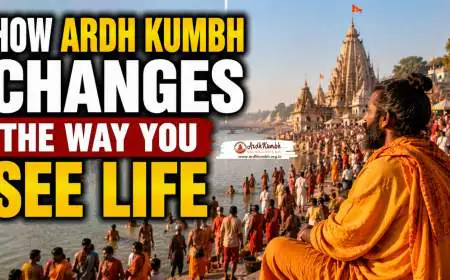
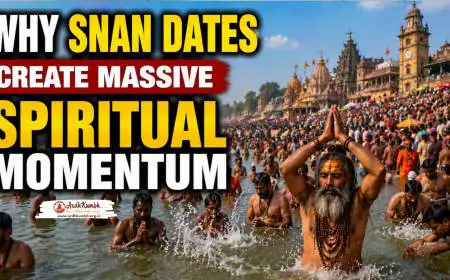
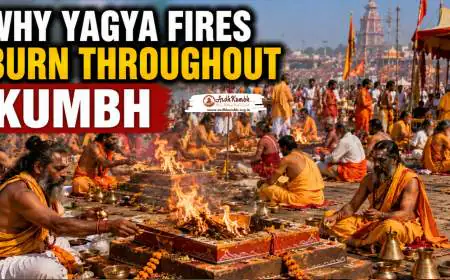
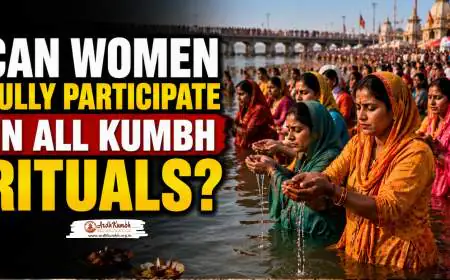
At Kumbh, you see voluntary simplicity everywhere. The sadhu with nothing but a water pot and a blanket – he once owned a business. The housewife who left her diamond jewelry in the locker at home – she chose to wear cotton and no makeup for twelve days. The teenager who handed over his smartphone to his parents before entering the mela grounds – he decided that scrolling can wait.
This is not poverty. This is power. And Kumbh understands that. That is why voluntary simplicity is not just tolerated. It is celebrated with the same energy that the outside world celebrates a new car or a promotion.
The Three Reasons Kumbh Celebrates Simplicity (While the Rest of the World Fears It)
1. Simplicity Removes the Mask – And Kumbh Loves Naked Truth
Outside, your watch, your bag, your shoes, your phone case, even the brand of your sunglasses – all of them are masks. They tell strangers how much you earn, what class you belong to, whether you are “successful” or “ordinary.”
Trending Guides Now
Har Ki Pauri Ganga Aarti Time Today in Haridwar
Read Guide →
Ardh Kumbh Mela Rituals Explained Shahi Snan & Akhara Traditions
Read Guide →
Why Order and Cleanliness Are Strictly Enforced
Read Guide →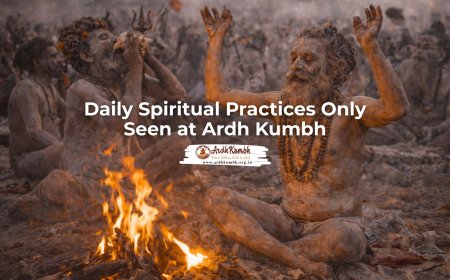
Daily Spiritual Practices Only Seen at Ardh Kumbh
Read Guide →
Best Routes to Reach Haridwar for Ardh Kumbh Mela
Read Guide →
Ardh Kumbh 2027 Dates (Official) - Haridwar Snan Schedule
Read Guide →
How Kumbh Keeps India’s Civilizational Memory Alive
Read Guide →
February Weather Reality at Ardh Kumbh
Read Guide →At Kumbh, those masks are useless. The mud does not care about your Gucci shoes. The rain does not respect your expensive jacket. The crowd cannot see your gold ring in the crush. So people drop the masks. They wear what is comfortable, not what is impressive.
And when the masks drop, something beautiful happens – you see humans, not status symbols. A billionaire and a beggar become two bald men arguing over a comb – equally useless in that moment. Kumbh celebrates this naked equality because it is the closest thing to truth that a social animal ever achieves.
2. Simplicity Creates Space for the Sacred
Your brain has limited bandwidth. When you are worried about your phone battery, your expensive camera, your designer bag getting stolen, your makeup melting – you have no room left for the Ganga, the mantras, the sunrise, or the silence.
Voluntary simplicity at Kumbh is not a punishment. It is a strategic emptying. You leave the valuables at home so that your attention has nowhere to go except inward or upward. One blanket means you are not stressed about which blanket to fold first. One steel plate means you are not comparing bone china patterns.
The celebration of simplicity at Kumbh is actually a celebration of attention. The less you carry, the more you see. And what you see – faith, devotion, community, beauty in dust – that is the sacred. Simplicity is the door. Kumbh is just clapping for the door.
3. Simplicity Is a Rebellion – And Kumbh Loves Rebels
Modern consumer culture tells you every single day: buy more, upgrade, replace, accumulate, show, prove, compare. It is exhausting. And deep down, most people know it is hollow. But they are too afraid to step off the treadmill because “what will the neighbors think?”
At Kumbh, the sadhu with nothing is not a failure. He is a rebel hero. He looked at the treadmill and said “no thanks.” And millions of pilgrims look at him and feel a secret relief. Someone escaped. Someone proved it is possible.
When Kumbh celebrates voluntary simplicity, it is not celebrating poverty. It is celebrating courage. The courage to say “I am enough without the stuff.” That courage is rare in the outside world. So at Kumbh, it gets a standing ovation – silent, dusty, but absolutely real.
What a Sadhu Teaches About Simplicity That a TED Talk Never Will
You can watch twenty TED Talks on minimalism. You will hear words like declutter, capsule wardrobe, mindful consumption. All fine. All useful. But none of them will hit your bones the way one hour with a real sadhu at Kumbh will.
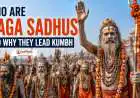
I sat once with an old Naga Sadhu who had exactly three possessions: a copper pot, a woolen blanket, and a small statue of Shiva made of clay. He had no phone, no watch, no shoes, no comb, no mirror, no money. Nothing.
I asked him: “Baba, don’t you feel empty?”
He laughed. Actually laughed. Then he said: “You have a house full of things. Do you feel full?” I did not answer. He continued: “Empty is not lack of things. Empty is lack of peace. I have peace. So I am full. You have things. But you have no peace. So you are empty.”
That conversation changed me. Not because he said something new. But because he lived it. His simplicity was not performance. It was his default. And sitting next to him, I realized why voluntary simplicity is celebrated at Kumbh – because Kumbh is full of people who have tested the consumer hypothesis and found it false. They are not preaching. They are just existing as living proof that less can be more.
The Six Visible Forms of Voluntary Simplicity at Kumbh (And What Each One Teaches)
1. One Set of Clothes
Most pilgrims bring two pairs of clothes. One to wear. One to dry after the dip. That is it. No wardrobe. No “outfit of the day.” Lesson: You do not need variety to feel dignified. Clean is enough.
2. Sleeping on the Ground
Even wealthy families sleep on thin mattresses or directly on tarpaulin. No memory foam. No adjustable pillows. Lesson: Your back does not need luxury to rest. It needs flat and still.
3. Eating From a Common Kitchen
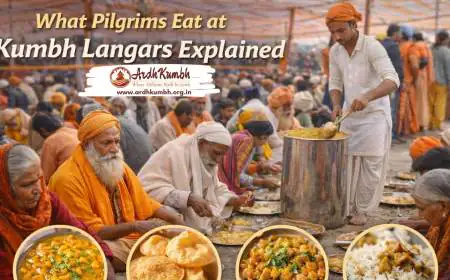
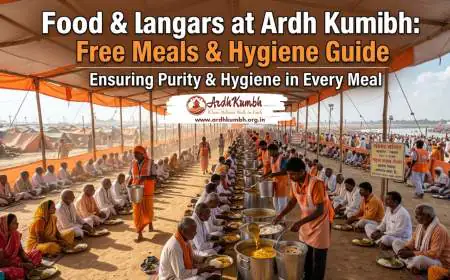
Langars serve the same dal, roti, and rice to everyone. No menu. No choices. No “I don’t feel like this today.” Lesson: Hunger is the best sauce. Gratitude is the best spice.
4. Walking Everywhere
No private vehicles inside the main mela. Even VIPs walk. Even old legs walk. Lesson: Your feet are free. Use them. The world will not end because you walked three kilometers.
5. No Makeup, No Grooming
Women and men both show their bare faces at Kumbh. No lipstick, no hair gel, no perfume. Just skin and dust. Lesson: You are still beautiful without the products. The Ganga does not ask for your foundation shade.
6. One Vessel for Everything
The same steel glass that holds chai at 5 AM holds water at noon and dal at night. Lesson: Possessions can be multi-purpose. You do not need a separate tool for every single action.
Why the Celebration of Simplicity at Kumbh Is Increasing (Even as the World Gets More Materialistic)
Here is the irony. As Amazon delivers more boxes to more homes, as iPhone launches get longer lines, as social media shows off bigger houses and fancier vacations – the celebration of simplicity at Kumbh is actually growing.
Why? Because burnout is real. The consumer treadmill has exhausted an entire generation. People are tired of comparing, upgrading, storing, insuring, cleaning, and worrying about things. They are hungry for a counter-narrative. And Kumbh offers exactly that – a temporary parallel universe where having less gets you respect, not pity.
Young people, especially, are driving this shift. Millennials and Gen Z are drowning in student debt and climate anxiety. They cannot afford the old dream of a big house and two cars. So they are looking for a new dream – and voluntary simplicity, even if just for twelve days at Kumbh, feels like liberation.
Kumbh does not mock the rich. But it claps louder for the simple. That value inversion is addictive. Once you taste it, the mall feels a little emptier.
How to Practice Voluntary Simplicity at Kumbh (Even If You Are a First-Timer)
If you have never slept without air conditioning or eaten without swiggy options, do not worry. Kumbh will teach you simplicity whether you plan it or not. But here is a gentle preparation guide:
-
Pack one bag. Not three. One.
-
Leave jewelry at home. Including your wedding ring if you cannot bear to lose it.
-
Carry exactly one electronic device – a basic phone for emergencies. Leave the iPad, laptop, smartwatch.
-
Wear clothes that can get muddy and still look fine. White cotton is classic for a reason.
-
Bring one steel plate, one glass, one spoon. Wash them yourself after every meal.
-
Do not book a luxury tent with AC and attached bathroom. Try a basic tent with common facilities for at least two nights.
-
Walk at least one full day without taking any paid transport. Just your feet.
Do these things, and you will understand why voluntary simplicity is celebrated at Kumbh – not because the sadhus are judging you, but because you will feel a lightness in your chest that no shopping spree has ever given you.
The One Thing Simplicity Does NOT Mean at Kumbh (Very Important)
Let me stop a misunderstanding before it starts. Voluntary simplicity at Kumbh does not mean poor quality. It does not mean unhygienic. It does not mean suffering for the sake of suffering.
A simple tent can still be clean. A simple meal can still be nutritious. A simple blanket can still be warm. Simplicity means removing the unnecessary, not keeping the broken.
Do not confuse Kumbh simplicity with neglect. The sadhus wash their copper pots until they shine. The langars scrub their kitchen floors with ash and water. Simple does not mean dirty. It means functional, honest, and unpretentious.
So when you practice voluntary simplicity at Kumbh, keep your dignity. Wash your one plate well. Fold your one blanket neatly. Walk with your spine straight. Simplicity is not shabby. Simplicity is elegant – just without the price tag.
What You Bring Back Home After Celebrating Simplicity at Kumbh
The real magic is not what happens at Kumbh. The real magic is what happens after.
You return to your city apartment. You open your closet. And for the first time, you see too much. Forty shirts. Twelve pairs of shoes. Eight bags. Things you have not touched in years. And you feel a small revulsion.
You start giving away. One shirt a week. Then one bag. Then old utensils. Then the second TV you never watch. Your friends think you are going through a phase. But you know the truth. Kumbh touched something. The celebration of simplicity you witnessed there – you want a small version of that celebration in your everyday life.
You stop buying things you do not need. You start repairing instead of replacing. You feel less anxious about your bank balance. You feel richer with less.
That is the gift of Kumbh simplicity. It does not ask you to become a sadhu. It just asks you to become less burdened. And that is a celebration that never has to end.
Frequently Asked Questions