



























































What Makes Ardh Kumbh Spiritually So Powerful?
Discover what makes Ardh Kumbh spiritually powerful, from sacred river bathing and ancient rituals to saints, devotion, and collective faith.

What Makes Ardh Kumbh Spiritually So Powerful?
The Spiritual Essence of Ardh Kumbh
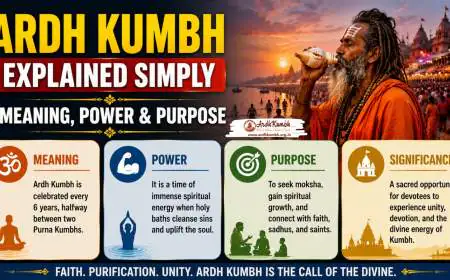
The profound spiritual power of Ardh Kumbh comes from a unique convergence of sacred geography, ancient rituals, spiritual traditions, and collective devotion. Millions of pilgrims travel great distances to participate in this sacred gathering, believing that the pilgrimage offers an opportunity for spiritual purification, reflection, and renewal. While the sacred bath in the holy river is the most visible ritual, the deeper significance of Ardh Kumbh lies in the spiritual environment created by centuries of tradition and shared faith.
For many devotees, Ardh Kumbh represents a moment when the physical world and spiritual aspiration intersect. Pilgrims arrive with prayers, hopes, and intentions shaped by personal faith. Within the temporary spiritual city that emerges around the sacred riverbanks, rituals, chants, teachings, and acts of devotion create an atmosphere that many describe as transformative.
The power of Ardh Kumbh therefore does not arise from a single ritual but from the combined influence of sacred time, sacred space, and the devotion of millions who gather with a shared spiritual purpose.
Want to experience Ardh Kumbh in person?
Get official dates, snan guidelines, Akharas, and travel planning tips in our dedicated event guide.
→ Ardh Kumbh Mela 2027 Complete Guide
Trending Guides Now

Who Decides Ardh Kumbh Dates and Why They Never Change
Read Guide →
Is Ardh Kumbh a Form of Tapasya?
Read Guide →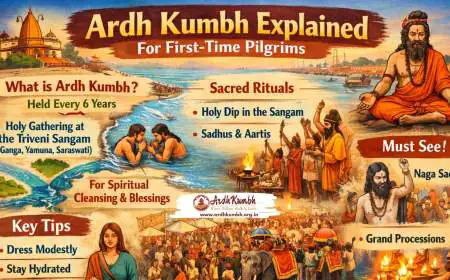
Ardh Kumbh Explained for First-Time Pilgrims
Read Guide →
Is Ardh Kumbh a Once-in-a-Lifetime Experience?
Read Guide →
Best Routes to Reach Haridwar for Ardh Kumbh Mela
Read Guide →
Ardh Kumbh 2027 Dates (Official) - Haridwar Snan Schedule
Read Guide →
How Kumbh Keeps India’s Civilizational Memory Alive
Read Guide →
February Weather Reality at Ardh Kumbh
Read Guide →Sacred Timing and Cosmic Alignment
One of the most important reasons Ardh Kumbh is considered spiritually powerful is the belief that the event occurs during highly auspicious planetary alignments. According to traditional Hindu cosmology, specific positions of celestial bodies create moments when spiritual energy becomes especially potent.
These alignments determine the timing of the pilgrimage and the dates of the sacred bathing rituals. Pilgrims believe that participating in rituals during these periods enhances spiritual merit and strengthens the connection between human devotion and cosmic order.
This concept of sacred timing reflects a worldview where spiritual practices are closely linked with the rhythms of the universe.
By aligning ritual activity with cosmic cycles, Ardh Kumbh becomes more than a festival—it becomes a moment of spiritual synchronization between earthly life and celestial order.
The Sacred River and Ritual Purification
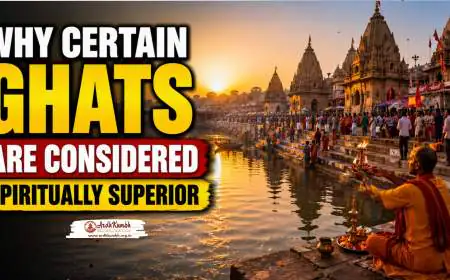
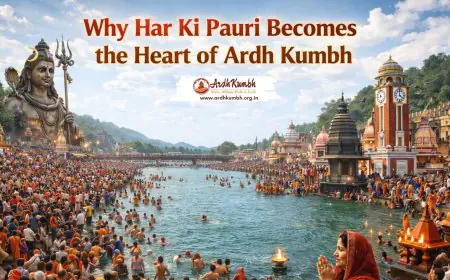
At the heart of Ardh Kumbh lies the ritual of bathing in a sacred river. Pilgrims believe that immersion in the holy water during auspicious moments cleanses accumulated sins and supports spiritual liberation.
The symbolism of water purification is deeply embedded in Hindu spiritual tradition. Water represents renewal, transformation, and divine grace.
For pilgrims who step into the river during Ardh Kumbh, the ritual becomes a deeply emotional experience. Many approach the moment with prayers, meditation, and expressions of gratitude.
The act of immersion represents surrender to spiritual renewal and a commitment to begin life with greater awareness and devotion.
The Gathering of Saints and Ascetics
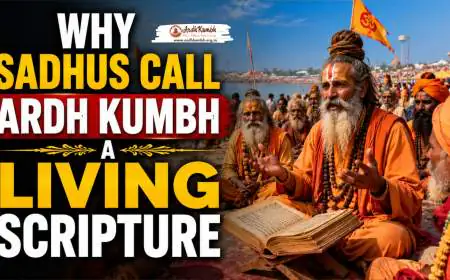
Another reason Ardh Kumbh carries profound spiritual power is the presence of thousands of saints, ascetics, and spiritual teachers who gather during the pilgrimage.
These individuals represent different monastic traditions and philosophical schools within Hindu spirituality. Many have dedicated decades of their lives to meditation, discipline, and study of sacred teachings.
Their presence transforms the pilgrimage environment into a center of spiritual learning.
Pilgrims often visit camps where these spiritual leaders deliver discourses, answer questions, and share insights about religious philosophy and ethical living.
The interaction between pilgrims and ascetics creates opportunities for personal reflection and spiritual growth.
Also Read | Ardh Kumbh 2027 Official Dates (Haridwar)
Collective Devotion and Shared Faith
The sheer scale of devotion present at Ardh Kumbh contributes significantly to its spiritual atmosphere.
When millions of individuals gather with a shared intention of prayer and purification, the environment becomes charged with collective spiritual energy. Devotional chants, ritual offerings, and acts of charity create a sense of unity among participants.
Pilgrims often describe feeling part of a larger spiritual community that transcends regional, linguistic, and social differences.
This collective devotion reinforces the idea that faith is not only a personal journey but also a shared cultural experience.
Ancient Rituals Preserved Across Generations
The rituals practiced during Ardh Kumbh have been preserved across centuries, connecting modern pilgrims with ancient traditions.
Ceremonial bathing processions, prayer gatherings, offerings to the sacred river, and spiritual discourses reflect practices that have been passed down through generations.
These rituals provide continuity within Hindu spiritual culture and allow participants to experience traditions that have shaped religious life for thousands of years.
For many pilgrims, the sense of participating in a timeless spiritual tradition adds to the emotional and spiritual impact of the pilgrimage.
The Discipline of Pilgrimage
Pilgrimage itself is a powerful spiritual practice.
Traveling long distances, enduring physical challenges, and living temporarily within a sacred environment require dedication and discipline. These experiences encourage pilgrims to step away from everyday routines and focus on spiritual reflection.
The discipline involved in reaching Ardh Kumbh often strengthens the emotional significance of the rituals performed there.
By the time pilgrims arrive at the sacred river, the journey itself has already become part of the spiritual transformation.
Charity and Compassion
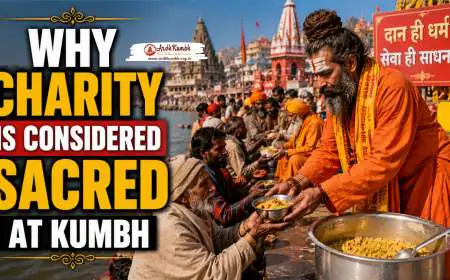
Acts of charity play a central role in the spiritual culture of Ardh Kumbh.
Pilgrims often share food, donate clothing, and support community kitchens that serve thousands of visitors daily. These acts of generosity reflect a belief that compassion and service are essential expressions of faith.
Participating in charitable activities allows pilgrims to practice spiritual values in practical ways.
This culture of generosity strengthens the sense of community that defines the pilgrimage environment.
To truly experience the spiritual power of Ardh Kumbh, every devotee should explore Shahi Snan rituals and Akhara traditions, which explain the sacred bathing process, monastic discipline, and ancient customs that shape this holy gathering. This guide helps pilgrims connect deeply with the true essence of the Mela.
The Temporary Sacred City
During Ardh Kumbh, a massive temporary city emerges along the riverbanks. Within this city, roads, camps, prayer spaces, and community kitchens operate together to support millions of pilgrims.
Yet despite the scale of the infrastructure, the atmosphere remains deeply spiritual.
Devotional chants echo through the camps, lamps illuminate evening rituals, and gatherings of pilgrims participate in prayers throughout the day.
The temporary nature of this city also carries symbolic meaning. It reflects the spiritual teaching that worldly life is temporary while spiritual awareness remains enduring.
When Devotion Creates Transformation
The spiritual power of Ardh Kumbh ultimately lies in the transformation experienced by pilgrims who participate in the journey.
For some, the sacred bath becomes a moment of emotional release. For others, listening to spiritual teachings inspires new perspectives on life and faith.
Many pilgrims leave the gathering with renewed commitment to ethical living, compassion, and spiritual practice.
These personal transformations ensure that the spiritual influence of Ardh Kumbh continues long after the pilgrimage ends.
Through sacred rituals, shared devotion, and timeless traditions, Ardh Kumbh remains one of the most powerful spiritual gatherings in the world.
Related Ardh Kumbh Guides :
- When Is the Next Ardh Kumbh Mela in Haridwar?
- Har Ki Pauri Ganga Aarti Time in Haridwar: Complete Schedule
- Why Har Ki Pauri Becomes the Heart of Ardh Kumbh
- Ardh Kumbh vs Maha Kumbh: The Real Difference Explained
- Is Attending Ardh Kumbh Mandatory for Devotees?
- Why Ardh Kumbh Holds the Same Spiritual Weight as Kumbh
- How Ardh Kumbh Evolved Over Centuries of Faith ?
- Ancient Scriptures That Clearly Explain Ardh Kumbh
- Strict Rules Pilgrims Follow at Ardh Kumbh
- Is Ardh Kumbh Really Different From Kumbh Mela?
Frequently Asked Questions