

































































How Ardh Kumbh Mela Preserved India’s Pilgrimage Routes
Discover how ardh kumbh mela preserved India’s pilgrimage routes through tradition, travel networks, and spiritual continuity across centuries.

How Ardh Kumbh Mela Preserved India’s Pilgrimage Routes
The Living Network of Faith That Sustained India’s Sacred Pathways
Ardh kumbh mela has played a crucial role in preserving India’s ancient pilgrimage routes, acting as a recurring spiritual force that continuously revitalizes traditional travel paths across the country. For centuries, millions of devotees have journeyed on foot, by cart, and later by modern transport systems to reach sacred destinations during ardh kumbh mela, keeping these routes alive through constant use and cultural relevance.
Unlike static heritage sites, pilgrimage routes survive only when they are actively used. Ardh kumbh mela ensured that these sacred pathways were never forgotten. Each cycle of the event reactivated ancient routes, reinforced their importance, and integrated them into the evolving landscape of Indian travel. As a result, ardh kumbh mela is not just a religious gathering—it is a powerful mechanism of cultural preservation, mobility, and spiritual continuity.
Want to experience Ardh Kumbh in person?
Get official dates, snan guidelines, Akharas, and travel planning tips in our dedicated event guide.
→ Ardh Kumbh Mela 2027 Complete Guide
Understanding India’s Ancient Pilgrimage Route System
What Are Pilgrimage Routes and Why They Matter
Pilgrimage routes in India are more than physical paths—they are spiritual corridors connecting sacred sites, traditions, and communities. These routes historically linked:
Trending Guides Now

Who Are Naga Sadhus and Why They Lead Kumbh
Read Guide →
Biggest Crowds Ever Recorded at Ardh Kumbh
Read Guide →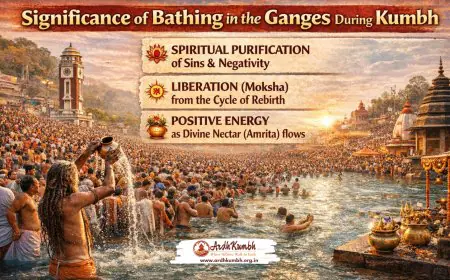
Significance of Bathing in the Ganges During Kumbh Mela Explained
Read Guide →
What Is the Story Behind the Ardh Kumbh Mela?
Read Guide →
Best Routes to Reach Haridwar for Ardh Kumbh Mela
Read Guide →
Ardh Kumbh 2027 Dates (Official) - Haridwar Snan Schedule
Read Guide →
How Kumbh Keeps India’s Civilizational Memory Alive
Read Guide →
February Weather Reality at Ardh Kumbh
Read Guide →- Temples and holy rivers
- Ashrams and spiritual centers
- Towns known for religious learning
The significance of these routes lies in their ability to facilitate continuous spiritual movement, allowing pilgrims to engage in journeys that are as meaningful as the destination itself.
How These Routes Were Traditionally Maintained
Before modern infrastructure, pilgrimage routes were sustained through:
- Frequent use by devotees traveling for events like ardh kumbh mela
- Support systems such as dharamshalas, wells, and resting points
- Oral traditions that passed route knowledge across generations
Without regular movement, these routes would have faded into obscurity. Ardh kumbh mela ensured their survival by creating periodic surges of travel.
The Role of Ardh Kumbh Mela in Reviving Travel Networks
A Recurring Catalyst for Movement
Every occurrence of ardh kumbh mela acts as a trigger for mass movement across regions. Pilgrims travel from distant parts of India, often following traditional paths that have been used for centuries.
This repeated movement:
- Reinforces the relevance of ancient routes
- Encourages maintenance and development
- Keeps geographical knowledge alive
Thus, ardh kumbh mela functions as a cyclical revival system for pilgrimage networks.
Also Read | Ardh Kumbh 2027 Official Dates (Haridwar)
Connecting Remote Regions to Sacred Centers
One of the most significant contributions of ardh kumbh mela is its ability to connect remote villages and towns to major spiritual hubs.
Pilgrims traveling to the mela create:
- Temporary and permanent travel links
- Economic activity along routes
- Increased accessibility to previously isolated areas
This connectivity ensures that even lesser-known routes remain active and important.
Cultural Preservation Through Continuous Travel
Routes as Carriers of Tradition
Pilgrimage routes are not just about movement—they are channels through which culture flows. As people travel during ardh kumbh mela, they carry:
- Ritual practices
- Regional traditions
- Languages and stories
This exchange enriches the cultural fabric of India and preserves diversity.
Transmission of Knowledge Across Generations
Families and communities often travel together, passing down:
- Route knowledge
- Ritual significance
- Historical context
This ensures that the importance of these routes is not lost over time, making ardh kumbh mela a living educational system.
Infrastructure Development Along Pilgrimage Routes
Evolution from Footpaths to Highways
The continuous influx of pilgrims during ardh kumbh mela has historically driven infrastructure development. Over time, routes evolved from:
- Simple walking paths
- Bullock cart tracks
- Modern roads and highways
This transformation ensures that ancient routes adapt to contemporary needs while retaining their original significance.
Facilities That Support Pilgrims
To accommodate travelers, facilities developed along routes include:
- Rest houses and shelters
- Food distribution centers
- Medical aid points
These developments not only support pilgrims but also strengthen the sustainability of the routes.
Economic Impact on Pilgrimage Routes
Sustaining Local Economies
The movement generated by ardh kumbh mela creates economic opportunities along pilgrimage routes:
- Small businesses thrive
- Local artisans gain exposure
- Service providers benefit from increased demand
This economic activity incentivizes communities to maintain and protect these routes.
To truly experience the spiritual power of Ardh Kumbh, every devotee should explore Shahi Snan rituals and Akhara traditions, which explain the sacred bathing process, monastic discipline, and ancient customs that shape this holy gathering. This guide helps pilgrims connect deeply with the true essence of the Mela.
Long-Term Development Benefits
Over time, the economic impact leads to:
- Improved infrastructure
- Better connectivity
- Enhanced living standards in route regions
Thus, ardh kumbh mela contributes to both cultural and economic sustainability.
Spiritual Geography and Route Significance
Routes as Sacred Experiences
In Indian tradition, the journey itself is considered sacred. Pilgrimage routes during ardh kumbh mela are viewed as:
- Paths of purification
- Opportunities for reflection
- Extensions of spiritual practice
This perspective elevates the importance of routes beyond mere travel.
Alignment with Sacred Landscapes
Many routes follow:
- Riverbanks
- Forest paths
- Historical trails
These landscapes enhance the spiritual experience, making the journey deeply immersive.
Modern Technology and Route Preservation
Digital Mapping and Navigation
Today, technology supports the preservation of pilgrimage routes through:
- GPS mapping
- Mobile applications
- Digital route guides
These tools make it easier for modern pilgrims to follow traditional paths.
Smart Management Systems
Authorities use technology to:
- Monitor route conditions
- Manage crowd flow
- Ensure safety
This integration of technology ensures that ardh kumbh mela continues to sustain routes effectively.
Challenges in Preserving Pilgrimage Routes
Urbanization and Changing Lifestyles
Rapid urbanization can disrupt traditional routes, leading to:
- Loss of original pathways
- Reduced foot-based travel
- Changing travel preferences
Environmental Concerns
Heavy usage during ardh kumbh mela can impact:
- Natural landscapes
- River ecosystems
- Local resources
Sustainable practices are essential to balance preservation and usage.
Why Ardh Kumbh Mela Remains a Powerful Preservation Force
Continuity Through Repetition
The cyclical nature of ardh kumbh mela ensures that routes are revisited and revitalized regularly, preventing decline.
Collective Participation
Millions of participants contribute to:
- Route usage
- Cultural exchange
- Economic activity
This collective effort keeps the system alive.
Where Journeys Become Heritage and Paths Turn Eternal
Ardh kumbh mela stands as a remarkable example of how movement, faith, and tradition can preserve an entire network of sacred routes across a vast country. It transforms travel into a cultural force, ensuring that ancient pathways remain relevant in a rapidly changing world.
Through continuous journeys, shared beliefs, and evolving infrastructure, these routes are not just preserved—they are celebrated, experienced, and passed on, making ardh kumbh mela a timeless guardian of India’s pilgrimage heritage.
Related Ardh Kumbh Guides :
- When Is the Next Ardh Kumbh Mela in Haridwar?
- Har Ki Pauri Ganga Aarti Time in Haridwar: Complete Schedule
- Why Har Ki Pauri Becomes the Heart of Ardh Kumbh
- Ardh Kumbh vs Maha Kumbh: The Real Difference Explained
- Is Attending Ardh Kumbh Mandatory for Devotees?
- Why Ardh Kumbh Holds the Same Spiritual Weight as Kumbh
- How Ardh Kumbh Evolved Over Centuries of Faith ?
- Ancient Scriptures That Clearly Explain Ardh Kumbh
- Strict Rules Pilgrims Follow at Ardh Kumbh
- Is Ardh Kumbh Really Different From Kumbh Mela?
Frequently Asked Questions