































































Why Haridwar Is Spiritually Central to Ardh Kumbh
Discover why Haridwar is spiritually central to Ardh Kumbh, from sacred river traditions to ancient temples and centuries of pilgrimage.

Why Haridwar Is Spiritually Central to Ardh Kumbh
The Sacred Identity of Haridwar in Ardh Kumbh
Among the sacred locations associated with Ardh Kumbh, Haridwar holds a particularly profound spiritual position. This ancient city has long been regarded as one of the most revered pilgrimage destinations in Hindu tradition. Situated along the banks of the sacred Ganga, Haridwar serves as a gateway where spiritual seekers begin their journey toward deeper religious experiences. When Ardh Kumbh takes place here, the gathering reflects centuries of spiritual heritage rooted in sacred geography, mythological significance, and living religious practices.
For millions of pilgrims, arriving in Haridwar during Ardh Kumbh represents far more than visiting a holy city. It symbolizes entering a spiritual landscape where divine mythology, sacred rituals, and devotional traditions converge. The flowing waters of the Ganga, the ancient ghats, the presence of saints and ascetics, and the daily rhythm of prayer and pilgrimage create an environment that embodies the spiritual essence of the festival.
The importance of Haridwar in Ardh Kumbh therefore arises not only from historical traditions but also from the city’s enduring role as a spiritual gateway within Hindu religious culture.
Want to experience Ardh Kumbh in person?
Get official dates, snan guidelines, Akharas, and travel planning tips in our dedicated event guide.
→ Ardh Kumbh Mela 2027 Complete Guide
Trending Guides Now
What Is the Story Behind the Ardh Kumbh Mela?
Read Guide →
History of Ardh Kumbh Mela From Samudra Manthan to Modern Times
Read Guide →
How Ardh Kumbh Preserved India’s Oral Traditions
Read Guide →
Why Ardh Kumbh Occurs Every Six Years Explained
Read Guide →
Best Routes to Reach Haridwar for Ardh Kumbh Mela
Read Guide →
Ardh Kumbh 2027 Dates (Official) - Haridwar Snan Schedule
Read Guide →
How Kumbh Keeps India’s Civilizational Memory Alive
Read Guide →
February Weather Reality at Ardh Kumbh
Read Guide →The Sacred Geography of Haridwar
The spiritual centrality of Haridwar begins with its geography. Located where the Ganga River emerges from the Himalayan foothills and enters the plains of northern India, the city represents a symbolic meeting point between the sacred mountains and the human world.
In Hindu tradition, rivers are not only natural features but living spiritual entities. The Ganga is revered as a divine river whose waters are believed to purify sins and support spiritual liberation.
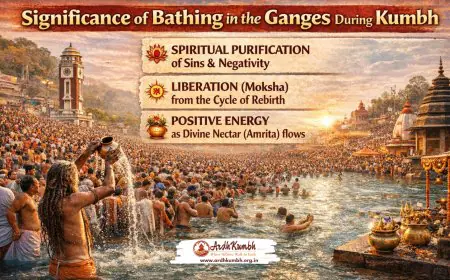
When pilgrims gather in Haridwar during Ardh Kumbh, they believe that the sacred river carries a heightened spiritual presence. Bathing in these waters during auspicious moments is considered an act of profound purification.
The geography of Haridwar therefore transforms the pilgrimage into an encounter with sacred nature itself.
Mythological Significance of Haridwar
The deep spiritual importance of Haridwar is also connected to ancient mythological traditions.
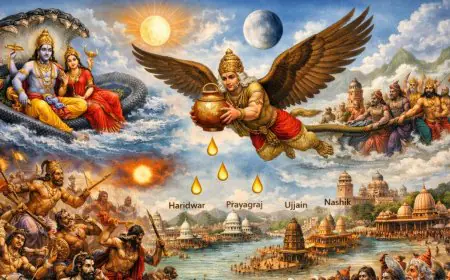
According to Hindu mythology, the origin of Kumbh gatherings is linked to the story of the divine nectar known as Amrit. During a cosmic struggle between celestial beings, drops of this nectar are believed to have fallen at four locations in India, one of which is Haridwar.
These sacred drops are said to have infused the land and river with divine energy. As a result, bathing in the Ganga during the festival is believed to offer spiritual purification and blessings.
This mythological narrative has shaped the spiritual imagination of pilgrims for centuries, reinforcing the belief that Haridwar is one of the most sacred locations connected with Ardh Kumbh.
Also Read | Ardh Kumbh 2027 Official Dates (Haridwar)
The Sacred Ghats of Haridwar
The spiritual life of Haridwar is centered around its ghats, the stepped riverbanks where pilgrims gather for ritual bathing and prayer.
Among these ghats, Har Ki Pauri is especially revered. Pilgrims believe that this sacred location carries a divine presence connected to ancient religious traditions.
During Ardh Kumbh, millions of devotees gather along these ghats to perform the ritual bath, offer prayers, and participate in spiritual ceremonies.
The sight of countless pilgrims descending the steps of the ghats at sunrise creates one of the most powerful spiritual images associated with the pilgrimage.
These ghats therefore become the physical and symbolic center of the festival.
The Role of Saints and Ascetics in Haridwar
Another reason Haridwar holds spiritual importance during Ardh Kumbh is the presence of saints and ascetic communities who gather in the city.
For centuries, Haridwar has served as a center where spiritual teachers, monks, and renunciates establish monasteries and hermitages. During the pilgrimage, these spiritual communities expand into large camps where pilgrims can listen to teachings, receive blessings, and observe ascetic traditions.
The interaction between pilgrims and ascetics deepens the spiritual atmosphere of the city.
Within these camps, philosophical discussions, devotional singing, and scriptural teachings create an environment where spiritual knowledge is shared openly.
Rituals That Define the Pilgrimage
The spiritual significance of Haridwar during Ardh Kumbh becomes most visible through the rituals practiced by pilgrims.
The sacred bath remains the central ritual. Pilgrims enter the waters of the Ganga with prayers for purification and renewal.
In addition to bathing, devotees participate in prayer ceremonies, offerings to the river, and evening rituals that honor the divine presence believed to reside in the sacred waters.
These rituals reinforce the idea that Haridwar is not merely a location but a living spiritual center where faith is expressed through collective devotion.
The Cultural Heritage of Haridwar
Beyond religious rituals, Haridwar carries a cultural heritage shaped by centuries of pilgrimage activity.
Temples, monasteries, and religious institutions across the city preserve traditions that have been practiced for generations. Pilgrims visiting during Ardh Kumbh often explore these sacred sites as part of their spiritual journey.
The architecture, festivals, and devotional practices found throughout the city reflect the deep connection between Haridwar and Hindu religious life.
This cultural continuity strengthens the city’s role as a spiritual anchor within the broader Kumbh tradition.
To truly experience the spiritual power of Ardh Kumbh, every devotee should explore Shahi Snan rituals and Akhara traditions, which explain the sacred bathing process, monastic discipline, and ancient customs that shape this holy gathering. This guide helps pilgrims connect deeply with the true essence of the Mela.
The Experience of Pilgrimage in Haridwar
For many pilgrims, the journey to Haridwar itself carries spiritual meaning.
Traveling long distances, walking through crowded streets filled with devotional chants, and witnessing the sacred river flowing beside ancient temples creates an immersive spiritual experience.
The city becomes a place where everyday concerns fade and spiritual reflection takes priority.
Within this environment, pilgrims often feel a strong connection to the traditions practiced by countless devotees who have visited the city across centuries.
The Timeless Spiritual Energy of Haridwar
The enduring spiritual energy of Haridwar is one of the most powerful aspects of the Ardh Kumbh experience.
Throughout the day, pilgrims gather for rituals, prayers, and acts of devotion along the riverbanks. At night, the glow of lamps during river ceremonies illuminates the sacred waters.
This continuous cycle of devotion creates a spiritual rhythm that defines the identity of the city.
For those who participate in the pilgrimage, Haridwar becomes more than a destination—it becomes a sacred environment where spiritual awareness feels deeply present.
Where Sacred Tradition Meets Living Faith
The spiritual centrality of Haridwar in Ardh Kumbh lies in the powerful combination of sacred geography, mythological tradition, ritual practice, and living faith.
Here, the flow of the Ganga, the ancient ghats, and the presence of saints and pilgrims together create an environment that has inspired devotion for generations.
For millions who travel to this sacred city, the pilgrimage represents an opportunity to reconnect with spiritual traditions that have shaped Hindu culture for centuries.
In the meeting of river, ritual, and devotion, Haridwar continues to embody the timeless spiritual heart of Ardh Kumbh.
Related Ardh Kumbh Guides :
- When Is the Next Ardh Kumbh Mela in Haridwar?
- Har Ki Pauri Ganga Aarti Time in Haridwar: Complete Schedule
- Why Har Ki Pauri Becomes the Heart of Ardh Kumbh
- Ardh Kumbh vs Maha Kumbh: The Real Difference Explained
- Is Attending Ardh Kumbh Mandatory for Devotees?
- Why Ardh Kumbh Holds the Same Spiritual Weight as Kumbh
- How Ardh Kumbh Evolved Over Centuries of Faith ?
- Ancient Scriptures That Clearly Explain Ardh Kumbh
- Strict Rules Pilgrims Follow at Ardh Kumbh
- Is Ardh Kumbh Really Different From Kumbh Mela?
Frequently Asked Questions