





























































How Saints and Sadhus Define the Ardh Kumbh Tradition
Discover how Saints and Sadhus define the spiritual traditions of Ardh Kumbh, guiding rituals, teachings, and sacred practices of this timeless pilgrimage.
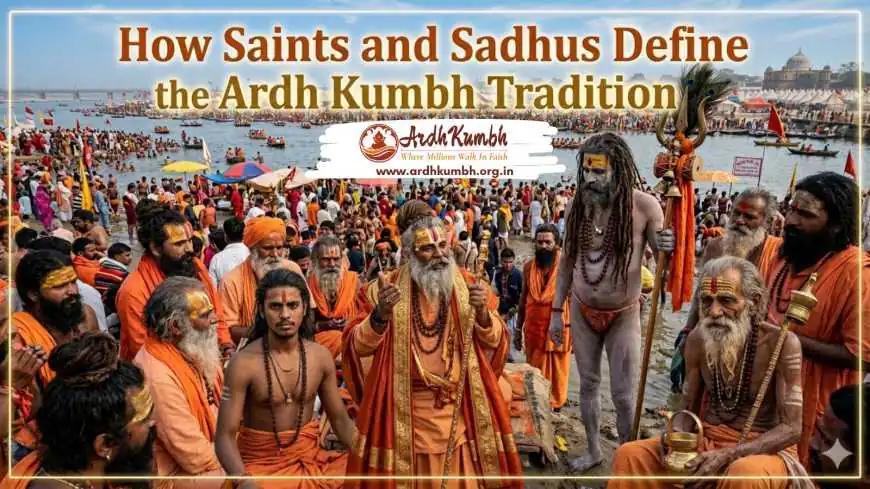
How Saints and Sadhus Define the Ardh Kumbh Tradition
The Spiritual Presence Behind Ardh Kumbh
The sacred gathering of Ardh Kumbh is widely known for its immense scale and the ritual bathing performed by millions of pilgrims. Yet the deeper spiritual identity of the festival is shaped not by crowds or ceremonies alone but by the presence of Saints and Sadhus who guide its traditions. These ascetics represent centuries of spiritual discipline, philosophical knowledge, and devotion that form the living heart of the pilgrimage.
For generations, Saints and Sadhus have played a defining role in maintaining the spiritual authenticity of Ardh Kumbh. Their teachings, rituals, and disciplined way of life create a spiritual framework that transforms the gathering into a profound religious experience. Pilgrims come not only to perform sacred bathing but also to seek guidance, blessings, and spiritual wisdom from these revered figures.
Within the temporary spiritual city that emerges during Ardh Kumbh, the camps of Sadhus, the processions of Naga Sadhus, and the teachings of spiritual leaders create an atmosphere where ancient Hindu traditions remain vibrant and visible. Their presence ensures that the pilgrimage continues to represent a living expression of faith rather than simply a large cultural event.
Want to experience Ardh Kumbh in person?
Get official dates, snan guidelines, Akharas, and travel planning tips in our dedicated event guide.
→ Ardh Kumbh Mela 2027 Complete Guide
Trending Guides Now

Who Are Naga Sadhus and Why They Lead Kumbh
Read Guide →
Biggest Crowds Ever Recorded at Ardh Kumbh
Read Guide →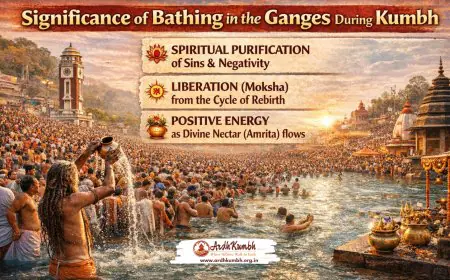
Significance of Bathing in the Ganges During Kumbh Mela Explained
Read Guide →
What Is the Story Behind the Ardh Kumbh Mela?
Read Guide →
Best Routes to Reach Haridwar for Ardh Kumbh Mela
Read Guide →
Ardh Kumbh 2027 Dates (Official) - Haridwar Snan Schedule
Read Guide →
How Kumbh Keeps India’s Civilizational Memory Alive
Read Guide →
Why Early 2027 Planning Will Decide Your Experience
Read Guide →Understanding the Role of Saints and Sadhus in Ardh Kumbh
The role of Saints and Sadhus in Ardh Kumbh extends far beyond ceremonial participation. They act as spiritual custodians who preserve the religious philosophy and ascetic traditions associated with Hindu pilgrimage.
A Sadhu is a renunciate who has chosen to dedicate life entirely to spiritual practice. This path often involves meditation, study of sacred texts, and a lifestyle centered on simplicity and detachment from material pursuits.
At Ardh Kumbh, thousands of such ascetics gather, representing diverse monastic traditions and spiritual lineages. Each group contributes its own rituals, teachings, and practices to the broader spiritual environment of the pilgrimage.
Through their presence, Saints and Sadhus create a visible link between ancient spiritual traditions and contemporary religious practice.
The Historical Roots of Sadhu Traditions
The tradition of Sadhus in Hindu spirituality dates back thousands of years. Ancient scriptures describe renunciates who withdrew from worldly life in order to pursue spiritual realization.
Over time, these ascetic traditions evolved into organized monastic communities guided by spiritual teachers and philosophical schools. These communities eventually became closely associated with major pilgrimage gatherings such as Ardh Kumbh.
During the pilgrimage, Sadhus gather not only to perform rituals but also to maintain the continuity of spiritual traditions that have shaped Hindu culture for centuries.
This historical continuity explains why their presence remains central to the identity of the festival.
The Spiritual Authority of Saints
Among the ascetic communities present at Ardh Kumbh, certain individuals are recognized as spiritual leaders or Saints.
These figures have spent decades practicing spiritual discipline and studying sacred philosophy. Their teachings attract pilgrims who seek deeper understanding of faith and moral guidance.
During the pilgrimage, many Saints deliver discourses on devotion, meditation, and ethical living. These gatherings become important moments where spiritual knowledge is shared with large audiences of pilgrims.
The authority of these Saints is not based on institutional power but on spiritual experience and respect earned through years of discipline.
Also Read | Ardh Kumbh 2027 Official Dates (Haridwar)
The Presence of Naga Sadhus
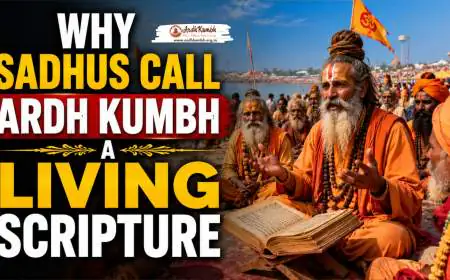
One of the most distinctive ascetic traditions visible during Ardh Kumbh is that of the Naga Sadhus.
These ascetics practice extreme renunciation and often appear with minimal clothing, ash-covered bodies, and traditional symbols of spiritual discipline. Their lifestyle represents complete detachment from material identity.
Historically, Naga Sadhus also served as protectors of pilgrimage routes and religious institutions during times of political instability.
During Ardh Kumbh, their ceremonial participation in sacred bathing rituals and processions attracts widespread attention and reflects the powerful ascetic traditions preserved within Hindu spirituality.
Sadhu Camps as Centers of Spiritual Learning
Throughout the festival grounds of Ardh Kumbh, camps established by ascetic communities function as spiritual centers.
These camps provide spaces where pilgrims can meet Sadhus, listen to teachings, participate in devotional activities, and observe ascetic practices.
Daily life within these camps often includes prayer, meditation, chanting, and philosophical discussion.
For pilgrims, visiting these camps offers a unique opportunity to witness the living traditions of Hindu ascetic culture and gain insights into spiritual disciplines rarely seen in everyday life.
The Influence of Saints and Sadhus on Pilgrims
The presence of Saints and Sadhus significantly shapes the experience of pilgrims attending Ardh Kumbh.
Many pilgrims seek blessings from ascetics, believing that spiritual guidance from renunciates carries deep significance. Others attend discourses or engage in conversations about spiritual practice.
These interactions often leave a lasting impact. Pilgrims may adopt new spiritual habits such as regular prayer, meditation, or charitable service after returning home.
Through such influence, the teachings of Saints and Sadhus extend far beyond the boundaries of the pilgrimage itself.
To truly experience the spiritual power of Ardh Kumbh, every devotee should explore Shahi Snan rituals and Akhara traditions, which explain the sacred bathing process, monastic discipline, and ancient customs that shape this holy gathering. This guide helps pilgrims connect deeply with the true essence of the Mela.
Preserving the Spiritual Identity of Ardh Kumbh
In a gathering attended by millions, maintaining spiritual authenticity requires strong custodians of tradition.
Saints and Sadhus fulfill this role by preserving ritual practices, maintaining philosophical teachings, and demonstrating disciplined spiritual lifestyles.
Their presence ensures that the pilgrimage continues to reflect its ancient purpose: the pursuit of spiritual purification and self-realization.
Without these ascetic communities, the deeper meaning of Ardh Kumbh would be difficult to sustain.
The Living Heritage of Hindu Asceticism
The gathering of Saints and Sadhus at Ardh Kumbh reveals the remarkable continuity of Hindu ascetic traditions.
Across generations, renunciates have passed down teachings, rituals, and philosophical insights that remain active within contemporary religious life.
The pilgrimage becomes a moment where this living heritage becomes visible to the wider public.
For observers and pilgrims alike, witnessing these traditions reinforces the enduring vitality of Hindu spiritual culture.
Where Spiritual Tradition Continues to Speak
The presence of Saints and Sadhus transforms Ardh Kumbh into more than a ritual gathering. Their disciplined lives, philosophical teachings, and spiritual leadership create a sacred atmosphere where ancient wisdom continues to guide modern seekers.
Within the chanting, processions, and quiet conversations taking place in ascetic camps, the deeper message of the pilgrimage emerges. The journey becomes a reminder that spiritual knowledge is preserved not only through texts and rituals but through the lives of those who dedicate themselves completely to its pursuit.
Through their presence, Saints and Sadhus ensure that the tradition of Ardh Kumbh remains a living expression of devotion, discipline, and spiritual continuity.
Related Ardh Kumbh Guides :
- When Is the Next Ardh Kumbh Mela in Haridwar?
- Har Ki Pauri Ganga Aarti Time in Haridwar: Complete Schedule
- Why Har Ki Pauri Becomes the Heart of Ardh Kumbh
- Ardh Kumbh vs Maha Kumbh: The Real Difference Explained
- Is Attending Ardh Kumbh Mandatory for Devotees?
- Why Ardh Kumbh Holds the Same Spiritual Weight as Kumbh
- How Ardh Kumbh Evolved Over Centuries of Faith ?
- Ancient Scriptures That Clearly Explain Ardh Kumbh
- Strict Rules Pilgrims Follow at Ardh Kumbh
- Is Ardh Kumbh Really Different From Kumbh Mela?
Frequently Asked Questions