



































































Why Pilgrims Wake Up Before Sunrise at Kumbh
Discover why pilgrims wake before sunrise at Kumbh, exploring spiritual, scientific, and ritual reasons behind this sacred discipline.

The Sacred Rhythm That Begins Before Sunrise
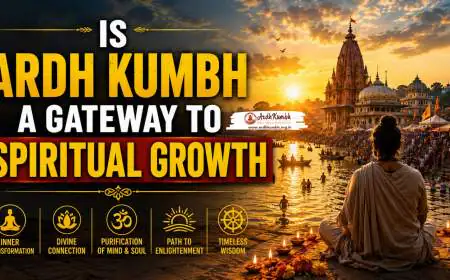
Long before the sun stretches its first light across the riverbanks, Kumbh is already awake. In the deep blue silence of pre-dawn, millions of pilgrims rise, wrap themselves in devotion, and move quietly toward the ghats. There is no urgency, yet there is purpose. No noise, yet there is energy.
This act of waking before sunrise is not accidental. It is one of the most consistent and powerful disciplines followed during Kumbh. For the outside observer, it may seem like routine or tradition. But for those who experience it, this early awakening feels like stepping into a different dimension of awareness.
In Sanatan Dharma, time is not just measured in hours. It is understood in terms of energy. The period before sunrise, known as Brahma Muhurta, is considered the most spiritually potent time of the day. At Kumbh, this time becomes even more powerful due to the collective intention of millions. Waking early is not just about starting the day. It is about aligning with a sacred rhythm that has guided seekers for centuries.
Want to experience Ardh Kumbh in person?
Get official dates, snan guidelines, Akharas, and travel planning tips in our dedicated event guide.
→ Ardh Kumbh Mela 2027 Complete Guide
Trending Guides Now

Why Sacred Bathing Is the Heart of Ardh Kumbh
Read Guide →
Complete Guide to Ardh Kumbh Rituals
Read Guide →
Ardh Kumbh Mela Rituals Explained Shahi Snan & Akhara Traditions
Read Guide →
How Akharas Shape the Soul of Ardh Kumbh
Read Guide →
Best Routes to Reach Haridwar for Ardh Kumbh Mela
Read Guide →
Ardh Kumbh 2027 Dates (Official) - Haridwar Snan Schedule
Read Guide →
How Ardh Kumbh Stayed Relevant Over Centuries
Read Guide →
Why Early Mornings Are Sacred
Read Guide →Understanding Brahma Muhurta as a Spiritual Gateway
The concept of Brahma Muhurta lies at the heart of this practice.
This period occurs roughly 90 minutes before sunrise and is believed to be the most suitable time for:
- Meditation
- Prayer
- Self-reflection
- Spiritual practices
During this time, the mind is naturally calm. The body is rested. The environment is quiet. These conditions create an ideal space for inner work.
At Kumbh, where spiritual energy is already intensified, Brahma Muhurta acts like an open gateway. Those who wake during this time often describe a heightened sense of clarity and awareness that is difficult to experience at any other hour.
Why Early Rising Amplifies Spiritual Experience
Waking before sunrise is not just symbolic. It has a direct impact on how spiritual practices are experienced.
- The mind is less distracted
- The senses are more controlled
- The awareness is sharper
When pilgrims engage in meditation, chanting, or prayer during this time, the depth of experience increases significantly.
At Kumbh, this amplification is multiplied by the collective energy of millions who are practicing simultaneously. The result is a shared field of focus that enhances individual effort.
Also Read | Ardh Kumbh 2027 Official Dates (Haridwar)
The Connection Between Time and Consciousness
In Sanatan philosophy, time is deeply connected with consciousness.
Different times of the day influence the mind in different ways:
- Night encourages rest and introspection
- Day promotes activity and engagement
- Pre-dawn creates balance and awareness
By waking before sunrise, pilgrims align themselves with a time that naturally supports spiritual growth.
This alignment is not forced. It is experienced.
The Sacred Practice of Early Morning Ganga Snan
One of the most important rituals at Kumbh is the holy dip (Snan).
Taking this dip before sunrise carries special significance.
- The water is calm and undisturbed
- The environment is quiet and focused
- The act becomes deeply personal
In this stillness, the ritual transforms from a physical act into a meditative experience.
Pilgrims often describe this moment as one of complete presence, where distractions fade and awareness sharpens.
Discipline as the Foundation of Spiritual Growth
Waking up before sunrise requires discipline.
- It challenges comfort
- It builds consistency
- It strengthens willpower
At Kumbh, this discipline is not enforced. It emerges naturally from the environment.
Seeing others wake early, observing sadhus in deep meditation, and feeling the collective rhythm encourages individuals to adopt the same practice.
Over time, this discipline begins to influence not just the morning, but the entire day.
The Influence of Sadhus on Early Morning Practices
Sadhus play a significant role in shaping the rhythm of Kumbh mornings.
Their daily routine often includes:
- Waking before Brahma Muhurta
- Meditation and chanting
- Yogic practices
- Silent reflection
Their presence creates a powerful example.
Pilgrims observing them are not instructed to wake early. They are inspired to do so.
This silent influence is one of the most effective forms of teaching.
The Power of Silence Before Sunrise
The pre-sunrise hours are marked by a unique kind of silence.
It is not empty. It is full.
- Full of stillness
- Full of awareness
- Full of potential
This silence allows the mind to settle.
At Kumbh, where the day can be filled with activity, this quiet period becomes essential. It provides a space where individuals can connect with themselves before engaging with the outer world.
Collective Energy and Shared Discipline
When millions of people wake up with a shared intention, something extraordinary happens.
- The energy becomes synchronized
- The atmosphere becomes focused
- The experience becomes collective
This is one of the defining features of Kumbh mornings.
Even individuals who are new to the practice feel carried by this collective rhythm.
Psychological Benefits of Early Rising
Beyond spirituality, waking early has measurable psychological benefits.
- Improved focus and clarity
- Reduced stress levels
- Enhanced emotional stability
At Kumbh, these benefits are amplified due to the supportive environment.
The absence of distractions and the presence of purpose create a state where the mind naturally organizes itself.
The Role of Simplicity in Morning Practices
Mornings at Kumbh are simple.
- Minimal distractions
- Basic routines
- Focused actions
This simplicity is powerful.
It removes unnecessary complexity and allows individuals to experience life in a more direct way.
Breaking the Habit of Comfort
Modern life often prioritizes comfort.
At Kumbh, waking early challenges this pattern.
- Sleeping less becomes acceptable
- Convenience is replaced with intention
- Routine is replaced with awareness
This shift plays a crucial role in the feeling of transformation.
Preparing the Mind for a Conscious Day
How a day begins often determines how it unfolds.
Starting the day before sunrise:
- Creates mental clarity
- Sets a focused tone
- Builds awareness
This preparation allows pilgrims to engage more deeply with the rest of the day’s experiences.
The Symbolism of Darkness to Light
The transition from night to day carries deep symbolic meaning.
- Darkness represents confusion
- Light represents clarity
- The transition represents transformation
By waking before sunrise, pilgrims place themselves within this symbolic journey.
They do not just observe the sunrise. They experience it as a reflection of inner change.
The Science Behind Early Morning Wakefulness
Modern science supports many aspects of early rising.
- Hormonal balance is optimized
- Brain function improves
- Circadian rhythms stabilize
This creates a bridge between ancient practices and modern understanding.
At Kumbh, this alignment enhances both physical and mental well-being.
To truly experience the spiritual power of Ardh Kumbh, every devotee should explore Shahi Snan rituals and Akhara traditions, which explain the sacred bathing process, monastic discipline, and ancient customs that shape this holy gathering. This guide helps pilgrims connect deeply with the true essence of the Mela.
Why Even One Morning Can Leave a Lasting Impact
Many pilgrims report that even a single morning at Kumbh feels different.
This is because:
- The environment is highly focused
- The practices are intentional
- The experience is immersive
This combination creates a moment that stays in memory long after the event ends.
The Habit That Continues Beyond Kumbh
For many, waking before sunrise does not end with Kumbh.
It becomes a lasting habit.
- Morning routines improve
- Awareness increases
- Discipline strengthens
This continuity is one of the most valuable outcomes of the experience.
When the First Light Changes Everything
There is a moment at Kumbh that cannot be fully explained.
The sky begins to lighten. The river reflects a soft glow. The chants rise gently. The air feels alive.
In that moment:
- The mind becomes still
- The body feels light
- The sense of presence deepens
Waking before sunrise is not just about time. It is about being present for this moment.
A moment where the world transitions from silence to sound, from stillness to movement, from darkness to light.
And in that transition, something within also shifts quietly, creating a sense of clarity that feels both new and familiar at the same time.
Related Ardh Kumbh Guides :
- When Is the Next Ardh Kumbh Mela in Haridwar?
- Har Ki Pauri Ganga Aarti Time in Haridwar: Complete Schedule
- Why Har Ki Pauri Becomes the Heart of Ardh Kumbh
- Ardh Kumbh vs Maha Kumbh: The Real Difference Explained
- Is Attending Ardh Kumbh Mandatory for Devotees?
- Why Ardh Kumbh Holds the Same Spiritual Weight as Kumbh
- How Ardh Kumbh Evolved Over Centuries of Faith ?
- Ancient Scriptures That Clearly Explain Ardh Kumbh
- Strict Rules Pilgrims Follow at Ardh Kumbh
- Is Ardh Kumbh Really Different From Kumbh Mela?
Frequently Asked Questions