
































































How Oral Traditions Kept Kumbh Knowledge Alive
Discover how oral traditions preserved Kumbh knowledge across generations, shaping rituals, beliefs, and spiritual continuity in India.

How Oral Traditions Preserved the Living Knowledge of Kumbh
Long before written records, digital archives, or organized documentation, the wisdom of the Kumbh Mela survived and flourished through one powerful medium—oral traditions. The stories, rituals, meanings, and spiritual insights associated with Kumbh were not confined to texts but carried forward through voices, memories, and lived experiences.
Across centuries, in sacred cities like Prayagraj and Haridwar, saints, pilgrims, storytellers, and communities passed down knowledge from generation to generation. These oral traditions ensured that even without widespread literacy or formal systems, the essence of Kumbh remained intact, evolving yet rooted in its original spirit.
Understanding how oral traditions kept Kumbh knowledge alive reveals not only the resilience of cultural memory but also the dynamic nature of spiritual transmission in India.
The Foundation of Oral Traditions in Indian Culture
Knowledge Before Written Texts
In ancient India, knowledge was primarily transmitted through:
Trending Guides Now
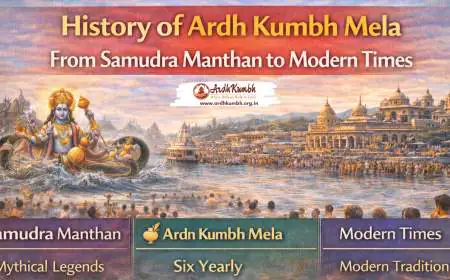
What Is the Story Behind the Ardh Kumbh Mela?
Read Guide →
The Untold Stories of Har Ki Pauri
Read Guide →
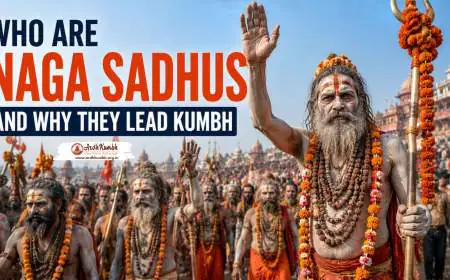
How Akharas Were Formed and Why They Matter
Read Guide →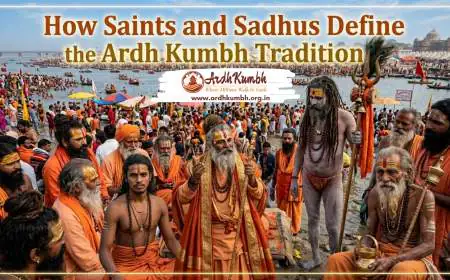
How Saints and Sadhus Define the Ardh Kumbh Tradition
Read Guide →
Best Routes to Reach Haridwar for Ardh Kumbh Mela
Read Guide →
Ardh Kumbh 2027 Dates (Official) - Haridwar Snan Schedule
Read Guide →
How Ardh Kumbh Stayed Relevant Over Centuries
Read Guide →
Why Early Mornings Are Sacred
Read Guide →- Spoken word
- Memorization
- Repetition
Before texts became widely accessible, oral traditions were the main method of preserving:
- Religious teachings
- Ritual practices
- Historical narratives
This system ensured that knowledge was:
- Flexible
- Accessible
- Continuously evolving
The Role of Memory and Recitation
Oral traditions relied heavily on:
- Strong memory techniques
- Rhythmic storytelling
- Repetitive chanting
These methods helped maintain accuracy while allowing adaptability across regions.
Storytelling as the Carrier of Kumbh Knowledge
Narratives of Myth and Origin
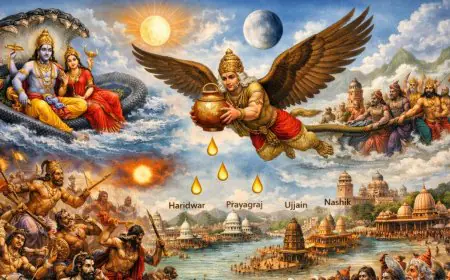
The story of the cosmic churning, or Samudra Manthan, forms the foundation of Kumbh. This story was:
- Told in villages and towns
- Shared during gatherings
- Passed down through generations
Through storytelling, people understood:
- Why Kumbh is celebrated
- The significance of sacred rivers
- The spiritual meaning of rituals
Folk Tales and Local Interpretations
Different regions added their own layers to Kumbh stories, creating:
- Diverse interpretations
- Rich cultural variations
- Localized traditions
This made Kumbh knowledge more relatable and widely accepted.
Role of Saints and Sadhus in Knowledge Transmission
Walking Libraries of Wisdom
Saints and ascetics acted as living carriers of knowledge. They:
- Traveled across regions
- Shared teachings through discourses
- Explained complex philosophies in simple terms
Their presence at Kumbh ensured that knowledge was:
- Continuously renewed
- Widely disseminated
- Deeply understood
Guru-Shishya Tradition
The traditional teacher-student system played a key role:
- Knowledge was passed directly from गुरु to शिष्य
- Teachings were memorized and practiced
- Spiritual wisdom was preserved with authenticity
Pilgrimage as a Medium of Knowledge Exchange
Movement of People and Ideas
Pilgrims traveling to Kumbh brought with them:
- Regional practices
- Stories and beliefs
- Cultural expressions
At Kumbh, these ideas were exchanged and then carried back to their places of origin.
Creating a Network of Shared Knowledge
This constant movement created a pan-Indian network, where:
- Traditions spread organically
- Knowledge evolved through interaction
- Cultural unity was strengthened
Rituals as Living Oral Traditions
Learning Through Participation
Many Kumbh practices are not learned from books but through observation and participation:
- How to perform rituals
- When to take Snan
- How to engage in Seva
These practices are:
- Demonstrated
- Imitated
- Passed on informally
Continuity Without Written Rules
Even without written guidelines, rituals remain consistent because they are:
- Embedded in community behavior
- Reinforced through repetition
- Supported by collective memory
Songs, Bhajans, and Folk Performances
Musical Transmission of Knowledge
Music plays a crucial role in oral traditions. Through:
- Bhajans
- Kirtans
- Folk songs
spiritual teachings are conveyed in an engaging and memorable way.
Emotional Connection
Songs help:
- Simplify complex ideas
- Create emotional resonance
- Strengthen memory retention
This makes knowledge easier to pass across generations.
Oral Traditions in Rural and Local Communities
Village-Level Knowledge Preservation
In rural India, Kumbh knowledge is often preserved through:
- Elders sharing stories
- Community gatherings
- Seasonal discussions
These interactions ensure that:
- Traditions remain alive
- Younger generations stay connected
- Cultural continuity is maintained
Intergenerational Learning
Children learn about Kumbh through:
- Family narratives
- Observing elders
- Participating in rituals
This informal education is highly effective.
Adaptability and Evolution of Oral Traditions
Flexibility Across Time
Unlike written texts, oral traditions can:
- Adapt to changing contexts
- Incorporate new experiences
- Reflect current realities
This flexibility allows Kumbh knowledge to remain relevant.
Balancing Change and Continuity
While details may evolve, the core essence remains unchanged:
- Spiritual significance
- Ritual importance
- Cultural values
The Role of Memory in Preserving Authenticity
Techniques of Oral Preservation
To maintain accuracy, oral traditions use:
- Repetition
- Structured narratives
- Community validation
Collective Responsibility
Knowledge is not owned by individuals but shared by the community, ensuring:
- Accountability
- Consistency
- Preservation of authenticity
Transition from Oral to Written and Digital Forms
Gradual Documentation
Over time, oral knowledge began to be recorded in:
- Scriptures
- Historical texts
- Academic studies
However, the oral foundation remains central.
Modern Amplification
Today, oral traditions are supported by:
- Media
- Recordings
- Digital platforms
This expands their reach while preserving their essence.
Why Oral Traditions Were Essential for Kumbh
Several factors explain their importance:
- Limited access to written texts in earlier times
- Need for widespread dissemination across diverse regions
- Ability to adapt to local cultures
- Preservation of experiential knowledge
Without oral traditions, Kumbh knowledge might not have survived in such a vibrant and dynamic form.
The Living Continuum of Knowledge
Beyond Static Information
Oral traditions keep knowledge alive by:
- Making it interactive
- Allowing reinterpretation
- Encouraging participation
Creating a Shared Cultural Identity
They help people feel connected to:
- Their heritage
- Their community
- Their spiritual roots
A Tradition Carried by Voices Across Time
The story of Kumbh is not just written in scriptures—it is spoken, sung, remembered, and lived. Through countless voices across generations, oral traditions have carried its essence from the past into the present. They have ensured that Kumbh remains not just an event, but a living, breathing tradition that continues to inspire and guide.
In a world where information is often stored in texts and screens, the enduring power of oral traditions reminds us that true knowledge lives in human connection—in stories shared, lessons remembered, and wisdom passed from one heart to another.
Frequently Asked Questions