































































Why the River Ganga Is Central to Ardh Kumbh
Discover why River Ganga is central to Ardh Kumbh and its spiritual, cultural, and scientific significance in Sanatan Dharma.

Why the River Ganga Is Central to Ardh Kumbh
The River Ganga is not merely a geographical entity; it is the spiritual backbone of Ardh Kumbh and one of the most sacred symbols within Sanatan Dharma. Its centrality to the event goes far beyond ritual bathing—it represents purification, continuity, divine connection, and the flow of spiritual energy. For millions of devotees, the presence of the Ganga transforms Ardh Kumbh from a gathering into a deeply transformative experience. The act of engaging with the river, especially through Snan, is seen as a way to cleanse not only the body but also the mind and soul. This belief is supported by layers of mythology, cultural tradition, environmental influence, and psychological impact, making the River Ganga the heart of the entire Kumbh experience.
Want to experience Ardh Kumbh in person?
Get official dates, snan guidelines, Akharas, and travel planning tips in our dedicated event guide.
→ Ardh Kumbh Mela 2027 Complete Guide
Ganga as a Symbol of Purification and Renewal
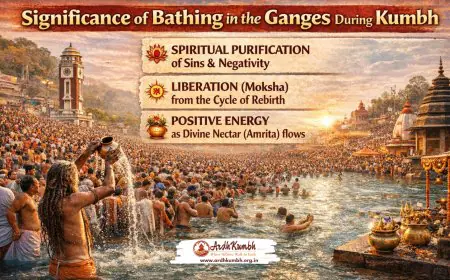
In Sanatan Dharma, the River Ganga is regarded as a purifier of sins and a source of spiritual renewal. The concept of purification is not limited to physical cleanliness but extends to emotional and psychological cleansing.
When devotees take a dip during Ardh Kumbh, they believe they are washing away past karmic burdens. This act serves as a symbolic reset, allowing individuals to begin anew with clarity and purpose.
Trending Guides Now

Who Are Naga Sadhus and Why They Lead Kumbh
Read Guide →
Biggest Crowds Ever Recorded at Ardh Kumbh
Read Guide →
Why Haridwar Is Spiritually Central to Ardh Kumbh
Read Guide →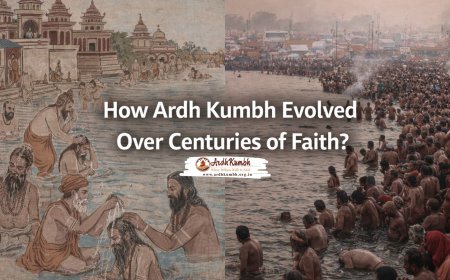
How Ardh Kumbh Evolved Over Centuries of Faith ?
Read Guide →
Best Routes to Reach Haridwar for Ardh Kumbh Mela
Read Guide →
Ardh Kumbh 2027 Dates (Official) - Haridwar Snan Schedule
Read Guide →
Why Snan Dates Create Massive Spiritual Momentum
Read Guide →
How Ardh Kumbh Changes the Way You See Life
Read Guide →From a psychological perspective, this ritual reinforces a sense of renewal and release, making the experience deeply impactful and transformative.
Mythological Foundations of Ganga’s Importance
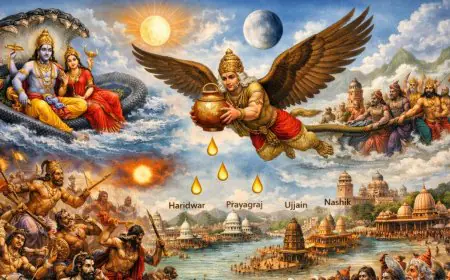
The central role of the Ganga in Ardh Kumbh is deeply rooted in ancient narratives. It is believed that the river descended from the heavens to purify the earth, carrying divine energy with it.
These narratives create a powerful cultural framework that enhances the significance of the river. They provide meaning to rituals and strengthen belief systems, making the experience more profound for participants.
The connection between mythology and practice ensures that the Ganga remains central to Sanatan traditions.
The Role of Ganga in the Ritual of Snan
The ritual of Snan is one of the most important aspects of Ardh Kumbh, and it is inseparable from the River Ganga.
Bathing in the river is not just a physical act but a spiritual one. It represents surrender, humility, and the desire for transformation. The flowing nature of the river symbolizes the continuous movement of life and the possibility of change.
This ritual creates a deep emotional and spiritual connection, making the Ganga indispensable to the Kumbh experience.
Spiritual Energy and Flow of Consciousness
The River Ganga is often described as a channel of spiritual energy. Its continuous flow is symbolic of the flow of consciousness and life itself.
During Ardh Kumbh, this symbolism becomes a lived experience. Devotees feel a sense of connection with something larger than themselves, which enhances their spiritual awareness.
The presence of the river amplifies the overall atmosphere, making spiritual practices more effective and meaningful.
Environmental and Natural Influence of the River
From a scientific perspective, the River Ganga contributes to the experience of Ardh Kumbh through its natural environment.
Being near flowing water has a calming effect on the human mind. It reduces stress, enhances relaxation, and improves mental clarity. The open spaces, fresh air, and natural surroundings further support well-being.
These environmental factors create an ideal setting for introspection and spiritual practices, reinforcing the importance of the river.
Also Read | Ardh Kumbh 2027 Official Dates (Haridwar)
Collective Faith Centered Around the Ganga
The Ganga serves as a focal point for collective faith during Ardh Kumbh. Millions of people gather with the shared belief in its sanctity, creating a powerful collective experience.
This shared faith amplifies the emotional and spiritual impact of the event. It creates a sense of unity and belonging, strengthening the overall experience.
The river becomes not just a physical entity but a symbol of shared belief and cultural identity.
Cultural Continuity and Civilizational Identity
The River Ganga has been central to Indian civilization for thousands of years. Its presence in Ardh Kumbh reinforces this continuity.
By participating in rituals associated with the river, individuals connect with their cultural heritage. This connection strengthens identity and provides a sense of belonging.
The Ganga thus acts as a bridge between past and present, ensuring the continuity of Sanatan traditions.
The Psychological Impact of Sacred Spaces
Sacred spaces have a unique impact on the human mind, and the Ganga is one of the most powerful such spaces.
Being in a place considered holy influences perception and emotional state. It creates a sense of reverence and openness, making individuals more receptive to spiritual experiences.
This psychological effect enhances the significance of rituals and deepens the overall experience of Ardh Kumbh.
Integration of Ritual, Belief, and Environment
The centrality of the River Ganga lies in its ability to integrate multiple dimensions—ritual, belief, and environment—into a single experience.
Each of these elements reinforces the others, creating a holistic system that is both meaningful and impactful. This integration is what makes the Ganga indispensable to Ardh Kumbh.
Economic and Social Influence of the Ganga
The presence of the Ganga also supports the large-scale organization of Ardh Kumbh. It attracts millions of pilgrims, creating economic activity and supporting local communities.
This economic dimension ensures sustainability and enables the continued growth of the event. It highlights the river’s role not just as a spiritual symbol but also as a practical foundation for the gathering.
Ganga as a Medium of Collective Experience
The shared act of engaging with the Ganga creates a collective experience that is deeply unifying.
Whether through bathing, prayer, or simply being present, individuals participate in a common activity that transcends personal differences. This shared experience strengthens social bonds and reinforces unity.
To truly experience the spiritual power of Ardh Kumbh, every devotee should explore Shahi Snan rituals and Akhara traditions, which explain the sacred bathing process, monastic discipline, and ancient customs that shape this holy gathering. This guide helps pilgrims connect deeply with the true essence of the Mela.
Symbolism of Flow and Letting Go
The flowing nature of the River Ganga carries deep symbolic meaning. It represents the constant movement of life and the importance of letting go.
During Ardh Kumbh, this symbolism becomes a guiding principle. Individuals are encouraged to release past burdens and embrace change.
This idea of flow and renewal is central to the transformative power of the event.
Spiritual Accessibility Through the Ganga
One of the reasons the Ganga is central to Ardh Kumbh is its accessibility. Unlike abstract concepts, the river provides a tangible way to engage with spirituality.
Devotees can physically interact with the river, making the experience immediate and personal. This accessibility enhances participation and deepens connection.
Where the River Becomes Experience
The River Ganga is not just a backdrop for Ardh Kumbh—it is the essence that gives the event its depth and meaning. Through its symbolism, environment, and role in rituals, it transforms the gathering into a powerful spiritual journey.
It connects individuals to tradition, to nature, and to themselves. It turns belief into experience and ritual into transformation.
This is why the Ganga remains central—not only to Ardh Kumbh but to the entire spiritual fabric of Sanatan Dharma.
Related Ardh Kumbh Guides :
- When Is the Next Ardh Kumbh Mela in Haridwar?
- Har Ki Pauri Ganga Aarti Time in Haridwar: Complete Schedule
- Why Har Ki Pauri Becomes the Heart of Ardh Kumbh
- Ardh Kumbh vs Maha Kumbh: The Real Difference Explained
- Is Attending Ardh Kumbh Mandatory for Devotees?
- Why Ardh Kumbh Holds the Same Spiritual Weight as Kumbh
- How Ardh Kumbh Evolved Over Centuries of Faith ?
- Ancient Scriptures That Clearly Explain Ardh Kumbh
- Strict Rules Pilgrims Follow at Ardh Kumbh
- Is Ardh Kumbh Really Different From Kumbh Mela?
Frequently Asked Questions