


































































How Ardh Kumbh Protected Guru–Shishya Traditions
Discover how Ardh Kumbh preserved Guru–Shishya traditions through spiritual gatherings, oral transmission, and living lineages across centuries.

How Ardh Kumbh Protected Guru–Shishya Traditions
The Ardh Kumbh has never been just a gathering of millions. Beneath the visible ocean of pilgrims lies a deeper current a living network of knowledge, discipline, and spiritual transmission. At its core, this sacred congregation has acted as a powerful guardian of the guru shishya tradition, ensuring that ancient wisdom flows uninterrupted from one generation to the next. Through structured interactions, disciplined orders, and sacred rituals, the Ardh Kumbh has preserved not only teachings but the very method of learning that defines Sanatan Dharma.
Want to experience Ardh Kumbh in person?
Get official dates, snan guidelines, Akharas, and travel planning tips in our dedicated event guide.
→ Ardh Kumbh Mela 2027 Complete Guide
The Foundation of Guru–Shishya Parampara in Sanatan Dharma
The guru shishya parampara is not simply an educational model. It is a sacred relationship rooted in trust, discipline, and transformation. In this system, knowledge is not delivered like information but transferred as experience, often through years of close guidance.
The continuity of vedic knowledge, yogic practices, and spiritual philosophy has depended entirely on this system. Unlike written traditions that can fade or be misinterpreted, the guru disciple system in India ensures accuracy through direct transmission.
Trending Guides Now

What Is the Story Behind the Ardh Kumbh Mela?
Read Guide →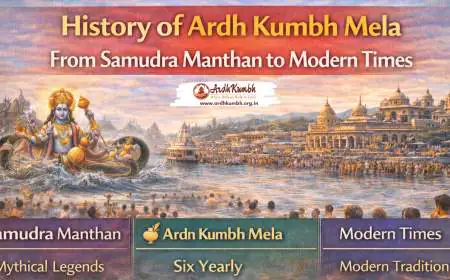
History of Ardh Kumbh Mela From Samudra Manthan to Modern Times
Read Guide →
How Ardh Kumbh Preserved India’s Oral Traditions
Read Guide →
Why Ardh Kumbh Occurs Every Six Years Explained
Read Guide →
Best Routes to Reach Haridwar for Ardh Kumbh Mela
Read Guide →
Ardh Kumbh 2027 Dates (Official) - Haridwar Snan Schedule
Read Guide →
How Ardh Kumbh Stayed Relevant Over Centuries
Read Guide →
Why Early Mornings Are Sacred
Read Guide →At a time when invasions, social disruptions, and cultural shifts threatened continuity, platforms like the Ardh Kumbh became critical anchors for preserving this lineage.
Ardh Kumbh as a Living University of Spiritual Knowledge
The Ardh Kumbh functions like an ancient university without walls. Thousands of gurus, saints, and seekers gather, creating a rare ecosystem of learning and exchange.
Here, disciples meet masters they would otherwise never encounter. Knowledge flows across regions, sects, and philosophies. This cross-pollination strengthens the guru shishya tradition and prevents it from becoming isolated or rigid.
Unlike modern institutions, the learning at Kumbh Mela is immersive. It happens through observation, participation, and lived experience. A disciple does not just hear teachings but witnesses them in action.
Role of Akharas in Preserving Spiritual Lineages
The akhara system has been one of the strongest pillars supporting the guru disciple tradition. Each akhara represents a lineage, a philosophy, and a disciplined way of life.
At the Ardh Kumbh, akharas gather in full strength. This is where:
- Gurus initiate new disciples
- Lineages are formally recognized
- Teachings are reinforced and standardized
The structured presence of akharas ensures that the guru shishya parampara preservation is not random but organized and resilient.
These akharas also act as custodians of scriptures, rituals, and practices that might otherwise fade with time.
Also Read | Ardh Kumbh 2027 Official Dates (Haridwar)
Oral Transmission and the Power of Presence
One of the most profound aspects of the guru shishya tradition is oral transmission. Knowledge is spoken, demonstrated, and absorbed rather than merely read.
At the Ardh Kumbh, this oral culture thrives. Gurus deliver discourses, answer questions, and guide seekers in real time.
This method preserves:
- Accuracy of teachings
- Emotional depth of knowledge
- Contextual understanding
In a world where written texts can be misinterpreted, the presence of a guru ensures that knowledge remains authentic and alive.
Initiation Rituals That Strengthen the Bond
The Ardh Kumbh is a powerful stage for initiation ceremonies, where seekers formally become disciples.
These rituals are not symbolic alone. They establish:
- Lifelong commitment between guru and disciple
- Transfer of spiritual responsibility
- Entry into a lineage
Through these ceremonies, the hindu guru tradition is continuously renewed. Every initiation ensures that the chain remains unbroken.
This is how the spiritual lineage in India survives across centuries without interruption.
Protection During Times of Cultural Disruption
History has seen multiple periods where traditional systems were under threat. Foreign invasions, colonial influence, and modernization challenged the continuity of Sanatan traditions.
During such times, the Ardh Kumbh acted as a safe convergence point. Gurus and disciples could reconnect, share knowledge, and reinforce practices.
This periodic gathering ensured that:
- Knowledge was not lost due to regional disruptions
- Lineages could reconnect and realign
- Traditions remained unified despite external pressures
The kumbh mela spiritual lineage became a resilient network rather than isolated pockets.
Cross-Regional Exchange of Knowledge
India’s spiritual diversity is vast. Different regions have different traditions, languages, and interpretations.
The Ardh Kumbh bridges these differences. It allows:
- Northern and southern traditions to interact
- Different philosophical schools to exchange ideas
- Disciples to gain exposure beyond their local systems
This exchange enriches the guru shishya parampara and prevents stagnation. It keeps the tradition dynamic, adaptive, and relevant.
Discipline and Daily Living as Teaching Tools
At the Ardh Kumbh, learning is not limited to lectures. It is embedded in daily life.
Disciples observe their gurus in:
- Meditation practices
- Ritual performance
- Interaction with society
- Personal discipline
This immersive environment transforms abstract teachings into lived realities. The guru disciple relationship history shows that such observation-based learning has always been central to the system.
Preservation of Specialized Knowledge Systems
The guru shishya tradition is responsible for preserving highly specialized knowledge, including:
- Vedic chanting techniques
- Yogic disciplines
- Ayurvedic practices
- Ritual procedures
The Ardh Kumbh provides a platform where these specialized teachings are shared, refined, and passed forward.
Without such gatherings, many of these traditions could fragment or disappear.
Strengthening Identity and Cultural Continuity
Beyond knowledge, the Ardh Kumbh reinforces identity. It reminds participants of their roots, values, and responsibilities.
For disciples, witnessing the scale of the gathering strengthens their faith in the system. It assures them that they are part of something vast and enduring.
This collective experience plays a crucial role in maintaining the indian spiritual traditions across generations.
Adaptation Without Losing Essence
One of the remarkable aspects of the guru shishya parampara is its ability to adapt without losing its core.
The Ardh Kumbh facilitates this adaptation by bringing together diverse perspectives. Gurus discuss contemporary challenges and reinterpret teachings for modern contexts.
This ensures that:
- The tradition remains relevant
- The essence of teachings is preserved
- New generations can connect with ancient wisdom
The balance between continuity and evolution is maintained through these interactions.
To truly experience the spiritual power of Ardh Kumbh, every devotee should explore Shahi Snan rituals and Akhara traditions, which explain the sacred bathing process, monastic discipline, and ancient customs that shape this holy gathering. This guide helps pilgrims connect deeply with the true essence of the Mela.
The Silent Architecture of Trust
At its heart, the guru shishya tradition is built on trust. This trust is reinforced at the Ardh Kumbh through:
- Public recognition of gurus
- Validation of lineages
- Collective participation in rituals
When thousands gather around a guru, it strengthens the credibility of the lineage. This collective validation protects the system from fragmentation.
A Continuum That Refuses to Break
The Ardh Kumbh is not just an event. It is a mechanism that ensures continuity. Every six years, it renews connections, strengthens bonds, and reaffirms commitments.
Through this cyclical gathering, the guru shishya parampara preservation becomes a living process rather than a static concept.
It is this rhythm that has allowed the tradition to survive for thousands of years.
Where Knowledge Breathes and Lineages Flow Forward
There is something quietly powerful about a system that does not rely on institutions, degrees, or written certification yet survives across millennia. The Ardh Kumbh acts like a heartbeat for this system, pulsing life into the guru disciple tradition again and again.
In its vast, temporary city, knowledge walks, speaks, listens, and transforms. Gurus do not just teach they shape lives. Disciples do not just learn they become carriers of a timeless current.
And as the gathering disperses, something invisible continues to flow forward a lineage, a discipline, a whisper of eternity carried from one soul to another.
Related Ardh Kumbh Guides :
- When Is the Next Ardh Kumbh Mela in Haridwar?
- Har Ki Pauri Ganga Aarti Time in Haridwar: Complete Schedule
- Why Har Ki Pauri Becomes the Heart of Ardh Kumbh
- Ardh Kumbh vs Maha Kumbh: The Real Difference Explained
- Is Attending Ardh Kumbh Mandatory for Devotees?
- Why Ardh Kumbh Holds the Same Spiritual Weight as Kumbh
- How Ardh Kumbh Evolved Over Centuries of Faith ?
- Ancient Scriptures That Clearly Explain Ardh Kumbh
- Strict Rules Pilgrims Follow at Ardh Kumbh
- Is Ardh Kumbh Really Different From Kumbh Mela?
Frequently Asked Questions